
Beautiful Plants For Your Interior
Beautiful Plants For Your Interior
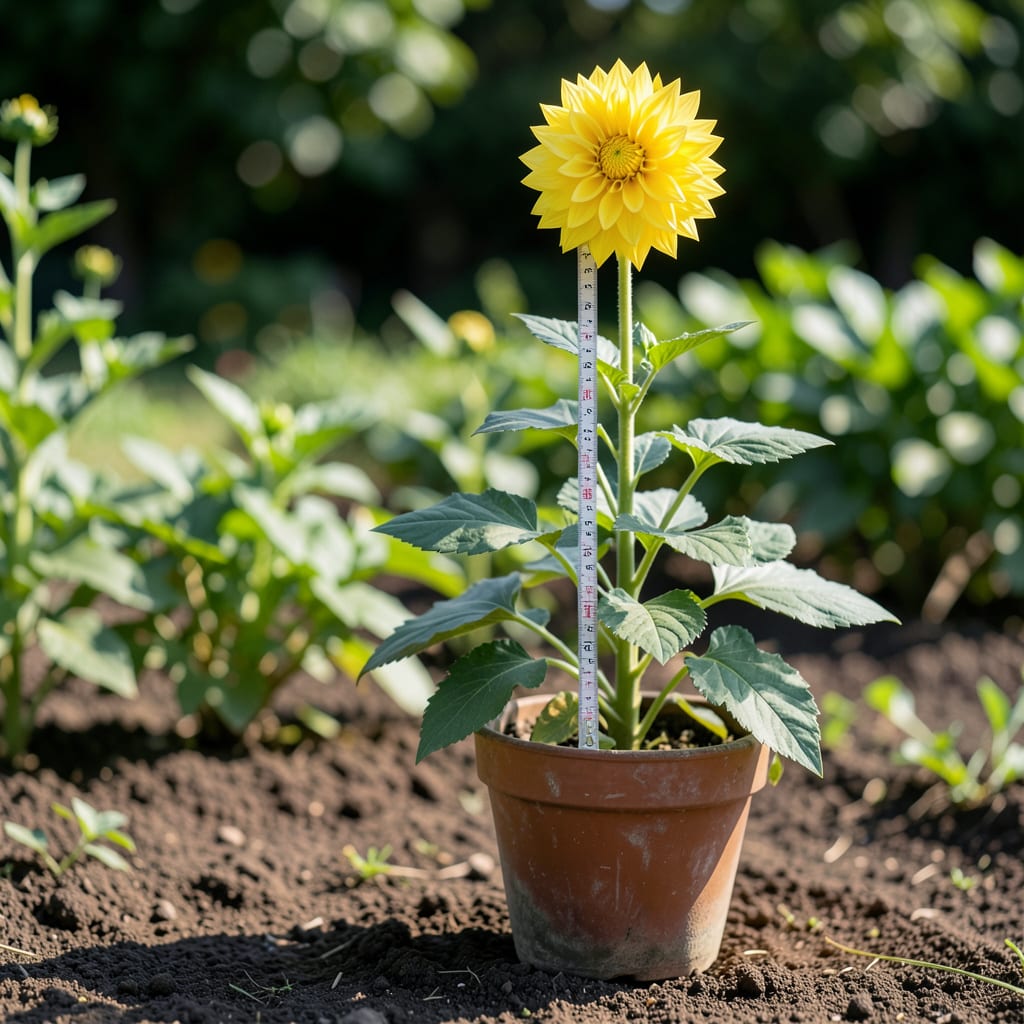
As a gardener, I’ve always been fascinated by the impressive height variations of dahlias 🌺. These beautiful flowers can grow anywhere from 1 to 5 feet tall, depending on the variety and growing conditions.
Understanding what affects their growth can help you maximize their potential in your garden. Let’s explore the factors that influence dahlia height and how you can encourage these stunning plants to reach their full potential.

Dahlias are known for their vibrant blooms and impressive height variations, making them a favorite among gardeners and floral enthusiasts alike 🌺. As a gardener, understanding the factors that influence dahlia height can help you maximize their potential in your garden.
The height of dahlias can vary significantly based on several key factors. The variety of dahlia is perhaps the most significant determinant, with different types ranging from compact dwarf varieties to towering giants. Growing conditions, including soil quality, sunlight exposure, and water availability, also play crucial roles in determining the final height of these plants.
Typically, dahlias can be expected to grow between 1 to 5 feet tall. The most common heights fall between 3 to 4 feet, making them an excellent choice for adding both height and color to garden beds 🌼.
Different dahlia varieties exhibit distinct growth habits. Dwarf dahlias usually remain under 2 feet tall, while standard varieties typically reach 3 to 4 feet. The tallest, giant dahlias, can soar up to 5 feet or more under ideal conditions.
Growing conditions significantly impact dahlia height. Full sun is essential, as is well-draining soil enriched with organic matter. Regular watering and fertilization also contribute to optimal growth. In areas with strong winds, providing staking can help prevent damage and support the plants as they grow taller.
Cultivation practices, such as pinching young plants to encourage bushier growth or disbudding to direct energy towards fewer but larger blooms, can also influence the overall height and appearance of dahlias.
By understanding these factors and providing appropriate care, gardeners can influence the height of their dahlias and enjoy these beautiful flowers at their best.
The height expectations for dahlias can vary significantly based on the specific cultivar and growing conditions. Generally, gardeners can expect dahlias to grow between 1 to 5 feet tall, with most varieties falling within the 3 to 4 feet range.
To maximize dahlia height, it’s essential to provide optimal growing conditions, including full sun, consistent moisture, and regular fertilization. Proper staking can also help support taller varieties and prevent damage from wind or rain.
By understanding the factors that influence dahlia height and implementing appropriate cultivation practices, gardeners can enjoy these stunning flowers at their full potential.
In conclusion, dahlias offer a wide range of height possibilities, making them versatile for various garden designs. Whether you’re looking for compact varieties or towering giants, there’s a dahlia to suit your needs 🌺.
To achieve optimal dahlia height, gardeners should focus on providing the right growing conditions and employing specific cultivation techniques 🌺. One of the most critical factors is ensuring dahlias receive full sun, as this directly impacts their ability to reach maximum height potential.
Soil preparation is another crucial aspect of maximizing dahlia height. Gardeners should ensure the soil is well-draining and rich in organic matter. Adding compost or well-rotted manure can significantly improve soil quality and support healthy dahlia growth.
For taller dahlias, use stakes and gently tie the stems to prevent damage from wind or rain. This support helps dahlias achieve their maximum height while maintaining plant integrity.
In addition to proper soil and sunlight, regular watering and fertilization are essential for maximizing dahlia height. Gardeners should water dahlias consistently, ensuring the soil remains moist but not waterlogged.
A balanced fertilizer applied every 4-6 weeks during the growing season can provide necessary nutrients for optimal growth. It’s also beneficial to pinch young plants to encourage bushier growth and potentially greater height.
Staking is another technique that can help dahlias reach their full height potential. By providing support, gardeners can prevent taller varieties from toppling over in the wind, ensuring they continue to grow upright and strong.
By combining these techniques—providing optimal growing conditions and employing specific cultivation practices—gardeners can maximize the height of their dahlias and enjoy these stunning flowers at their best 🌼.
Regular maintenance, such as deadheading spent blooms and removing any damaged or diseased foliage, also contributes to overall plant health and can encourage dahlias to reach their maximum height.
With careful attention to these details, gardeners can create an optimal environment for their dahlias to thrive and achieve impressive heights.
Dahlias come in a wide range of varieties, each with its own characteristic height 🌺. Understanding these variations can help gardeners choose the right type for their garden design and needs.
The height of dahlias can vary significantly based on the specific variety. Dwarf dahlias are compact and typically grow to be 1-2 feet tall, making them ideal for smaller gardens or containers.
Standard dahlias are the most common type and usually reach heights of 3-4 feet. These varieties offer a good balance between height and bloom size, making them popular among gardeners.
For those looking to make a statement in their garden, giant dahlias can grow to be 5 feet or more under ideal conditions. These taller varieties often require staking to prevent them from toppling over in the wind.
When selecting dahlia varieties, gardeners should consider not only the height but also other factors such as bloom size, color, and growth habits. This will help ensure that the chosen varieties meet their specific needs and preferences 🌼.
By understanding the different types of dahlias and their characteristic heights, gardeners can create a diverse and visually appealing garden display.
In conclusion, dahlias offer a wide range of height possibilities, making them versatile for various garden designs. Whether you’re looking for compact varieties or towering giants, there’s a dahlia to suit your needs 🌺.
Dahlias typically grow between 1 to 5 feet tall, with most varieties reaching 3 to 4 feet. The height depends on factors like variety, growing conditions, and care practices. Proper support can help taller varieties reach their maximum height potential.
To maximize dahlia height, provide full sun, well-draining soil enriched with organic matter, and consistent moisture. Regular fertilization every 4-6 weeks and proper staking for taller varieties also help. These practices support healthy growth and can encourage dahlias to reach their full height potential.
Dahlia varieties differ significantly in height. Dwarf dahlias grow 1-2 feet tall, standard varieties reach 3-4 feet, and giant dahlias can grow up to 5 feet or more. Choosing the right variety helps you achieve the desired height in your garden.
Yes, taller dahlia varieties benefit from staking to prevent damage from wind or rain. Staking helps keep the plants upright and supports their growth, allowing them to reach their maximum height potential while maintaining plant integrity.
