
Beautiful Plants For Your Interior
Beautiful Plants For Your Interior
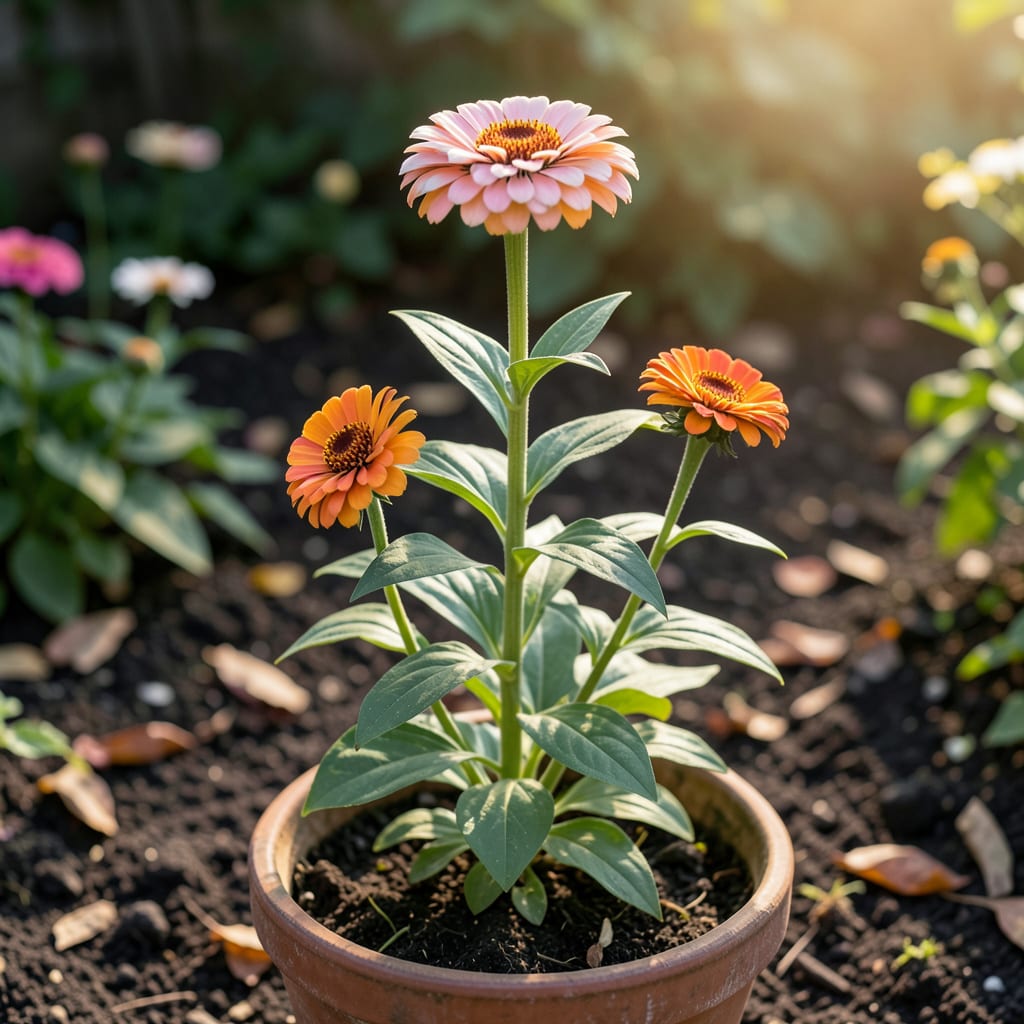
Zinnias 🌼 are a gardener’s delight, offering vibrant colors and impressive height variations that can transform any garden bed into a stunning display. Growing in USDA Zone 6, these flowers can reach varying heights depending on the variety and growing conditions.
Understanding how tall zinnias can grow is key to planning your garden layout. I’ll explore the factors that affect their height and provide tips on how to encourage optimal growth for these beautiful flowers.


Zinnias are known for their vibrant colors and varying heights, making them a versatile choice for gardeners 🌼. The height of zinnia plants can range from 1 to 4 feet, depending on the variety and growing conditions.
Several factors influence the height of zinnias, including genetics, soil quality, sunlight, and watering practices. Understanding these factors can help gardeners optimize their zinnia growth.
The height of zinnia plants can vary significantly based on these factors. For example, dwarf varieties typically grow to be 1-2 feet tall, while tall varieties can reach heights of 3-4 feet 🌿.
Understanding these growth factors is crucial for gardeners who want to maximize their zinnia’s height. By providing optimal growing conditions, gardeners can encourage their zinnias to reach their full potential.
Soil preparation is another critical aspect of promoting healthy zinnia growth. Gardeners should ensure the soil is well-draining and rich in organic matter.
In addition to soil quality, sunlight requirements play a significant role in determining zinnia height. Zinnias need at least 6 hours of direct sunlight per day to grow tall and healthy.
Watering practices also impact zinnia height. Consistent moisture, especially during the germination phase, is vital for establishing strong root systems.
By combining these factors – good genetics, proper soil, adequate sunlight, and appropriate watering – gardeners can create an environment that supports optimal zinnia growth.
It’s worth noting that different zinnia varieties have different growth habits. Some are naturally more compact, while others are bred for their height.
Gardeners should research the specific variety they’re growing to understand its potential height and growth characteristics.
Overall, understanding the factors that influence zinnia height can help gardeners make informed decisions about their garden design and care practices.
By optimizing growing conditions and selecting the right variety, gardeners can enjoy zinnias that reach their full height potential, adding beauty and vibrancy to their gardens 🌼.
To maximize zinnia height, gardeners should focus on providing optimal growing conditions 🌼. This includes preparing the soil properly, ensuring adequate sunlight, and maintaining consistent watering practices.
Soil preparation is critical for promoting healthy zinnia growth. The soil should be well-draining and rich in organic matter. Adding compost or well-rotted manure can improve soil fertility and structure.
Use well-draining soil with a pH between 6.0 and 7.0 for optimal zinnia growth.
Ensure zinnias receive at least 6 hours of direct sunlight daily for maximum height.
Water zinnias regularly, especially during dry spells, to support healthy growth.
In addition to these tips, fertilization can play a role in maximizing zinnia height. Using a balanced fertilizer during the growing season can provide essential nutrients.
Zinnia height can also be influenced by plant spacing. Providing adequate space between plants can prevent overcrowding and promote better air circulation.
By following these expert tips and techniques, gardeners can encourage their zinnias to reach their full height potential 🌼.
Regular maintenance, such as deadheading, can also contribute to healthier and taller zinnia plants.
Gardeners should monitor their zinnias regularly and adjust their care practices as needed to optimize growth.
With the right combination of care and conditions, zinnias can thrive and add beauty to any garden.
When it comes to growing zinnias, selecting the right variety is crucial for achieving your desired height 🌼. Different zinnia types offer varying growth habits, ranging from compact dwarf varieties to tall, statuesque plants.
I recommend understanding the different types of zinnias available to make an informed decision about which variety to grow. The main types include dwarf, compact, and tall varieties.
By choosing the right zinnia variety, gardeners can ensure their plants achieve the desired height and add beauty to their garden 🌼.
It’s also worth considering factors like growth habit and flower size when selecting a zinnia variety.
Some zinnia varieties are bred for their large, showy flowers, while others produce smaller blooms in abundance.
Understanding these characteristics can help gardeners create a balanced and visually appealing garden display.
In my experience, mixing different zinnia varieties can add depth and interest to a garden bed.
By combining tall and compact varieties, gardeners can create a layered, dynamic display that attracts pollinators and adds beauty to the garden.
Overall, selecting the right zinnia variety is a crucial step in achieving the desired height and creating a stunning garden display 🌼.
Zinnia plants can grow anywhere from 1 to 4 feet tall, depending on the variety and growing conditions. The height variation makes them suitable for different garden designs and spaces .
To promote taller zinnia growth, ensure they receive full sun (at least 6 hours of direct sunlight) and maintain consistent watering practices. Proper soil preparation with well-draining, fertile soil also supports healthy growth .
Yes, there are several zinnia varieties that differ in height. Dwarf varieties typically grow 1-2 feet tall, while tall varieties can reach 3-4 feet in height. Choosing the right variety helps achieve the desired height in your garden .
Soil quality significantly impacts zinnia height. Well-draining soil rich in organic matter promotes healthy growth. Adding compost or well-rotted manure can improve soil fertility and structure, supporting taller plants .
