
Beautiful Plants For Your Interior
Beautiful Plants For Your Interior
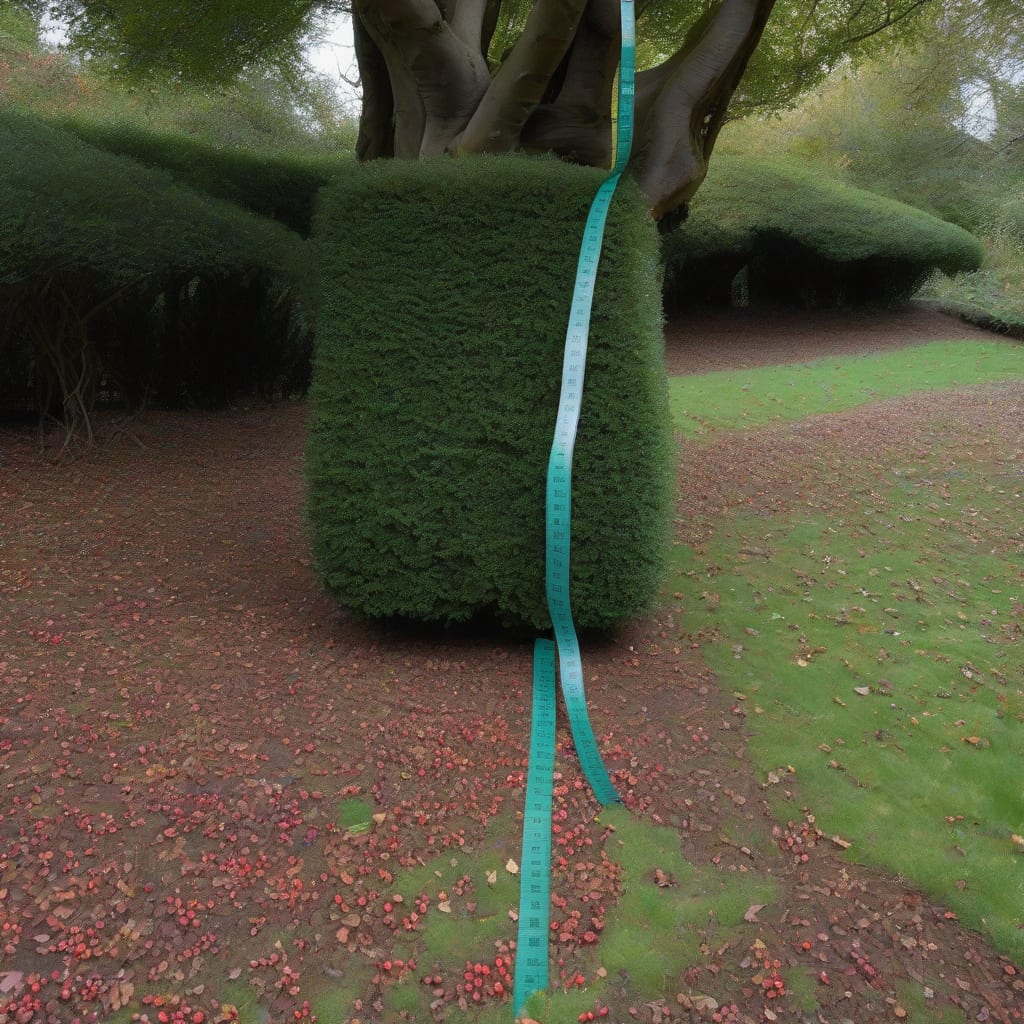
Yew trees 🌳 are known for their impressive longevity and versatility in landscaping, but have you ever wondered just how tall they can grow? Understanding their growth patterns is crucial for proper garden planning, especially when working with these magnificent trees in USDA Zone 6.
As we explore the growth habits of Yew Trees, you’ll discover their average height range is between 10-50 feet, making them a substantial presence in any landscape. Let’s dive into the factors that influence their height and how to manage their growth effectively.


Yew trees are known for their impressive longevity and versatility in landscaping, making them a popular choice for gardeners. Understanding their growth patterns is crucial for proper garden planning 🌳.
The height of yew trees can vary significantly based on several factors, including species variations and environmental conditions. On average, yew trees can grow between 10-50 feet tall, with some species reaching even greater heights.
The maximum height potential of yew trees is influenced by their species. For example, the English Yew (Taxus baccata) is known to reach heights of up to 50 feet, while the Japanese Yew (Taxus cuspidata) typically grows to be around 10-20 feet tall.
Environmental conditions also play a significant role in determining the height of yew trees. Factors such as soil quality, sunlight exposure, and watering practices can all impact the growth rate and maximum height of these trees 🌟.
In optimal conditions, with well-draining soil and adequate moisture, yew trees can achieve their heights. However, factors like poor soil quality, extreme temperatures, and inadequate watering can limit their growth potential.
Understanding these factors is essential for gardeners who want to cultivate healthy and thriving yew trees. By providing the right conditions and proper care, you can help your yew tree reach its maximum height potential 🌿.
It’s also worth noting that yew trees are often used in landscaping for their ability to be pruned and shaped. Regular pruning can help maintain a desired height and promote a fuller, more dense growth habit 🔥.
For gardeners looking to maximize the height of their yew trees, it’s essential to choose a species that is well-suited to their local climate and soil conditions. Consulting with a local nursery or gardening expert can provide valuable insights into the best varieties for your area 🌟.
By combining the right species selection with proper care and maintenance, you can enjoy the beauty and benefits of yew trees in your landscape for years to come 🌳.
In summary, yew trees have the potential to grow between 10-50 feet tall, with some species and environmental conditions allowing for even greater heights. By understanding and managing the factors that influence their growth, gardeners can cultivate these magnificent trees to their full potential.
Understanding the factors that influence yew tree height growth is essential for gardeners who want to cultivate these magnificent trees 🌳. Several key elements play a significant role in determining how tall yew trees can grow.
The height of yew trees is influenced by a combination of factors including soil quality, pruning practices, and climate conditions. Let’s explore these factors in more detail.
By understanding and managing these factors, gardeners can help their yew trees achieve their maximum height potential 🌟. Proper care and maintenance are crucial for cultivating healthy and thriving yew trees.
In addition to these factors, yew trees are also influenced by sunlight exposure and watering practices. Providing the right conditions will help promote healthy growth and maximize their height.
For gardeners looking to optimize the growth of their yew trees, it’s essential to monitor these factors and adjust their care practices accordingly. This will help ensure that their yew trees reach their full potential 🌳.
By combining the right conditions with proper care and maintenance, gardeners can enjoy the beauty and benefits of yew trees in their landscape for years to come.
In summary, the height growth of yew trees is influenced by a combination of factors including soil quality, pruning practices, and climate conditions. By understanding and managing these factors, gardeners can cultivate healthy and thriving yew trees that reach their maximum height potential 🌿.
Pruning is an essential technique for managing the height of yew trees while maintaining their health and shape 🌳. By pruning your yew tree regularly, you can control its height and promote a fuller growth habit.
The key to effective pruning is to understand the growth patterns of your yew tree. Yew trees are known for their ability to tolerate heavy pruning, making them ideal for topiary and hedging 🔥.
Prune your yew tree in the spring or fall when the tree is dormant. This helps minimize stress and promotes healthy regrowth.
Use sharp, clean pruning tools to make clean cuts just above a growth node. This encourages new growth and helps maintain the tree’s natural shape.
Regularly monitor your yew tree’s response to pruning and adjust your techniques as needed. This will help you achieve the desired height and shape 🌟.
By following these pruning techniques, you can effectively manage the height of your yew tree while promoting healthy growth and maintaining its natural beauty 🌿.
For more detailed information on pruning yew trees, consider consulting with a local gardening expert or nursery professional. They can provide personalized advice tailored to your specific climate and soil conditions 🌳.
In summary, regular pruning is crucial for managing yew tree height. By pruning at the right time and using proper techniques, you can maintain a desired height and promote a healthy, dense growth habit 🔥.
