
Beautiful Plants For Your Interior
Beautiful Plants For Your Interior
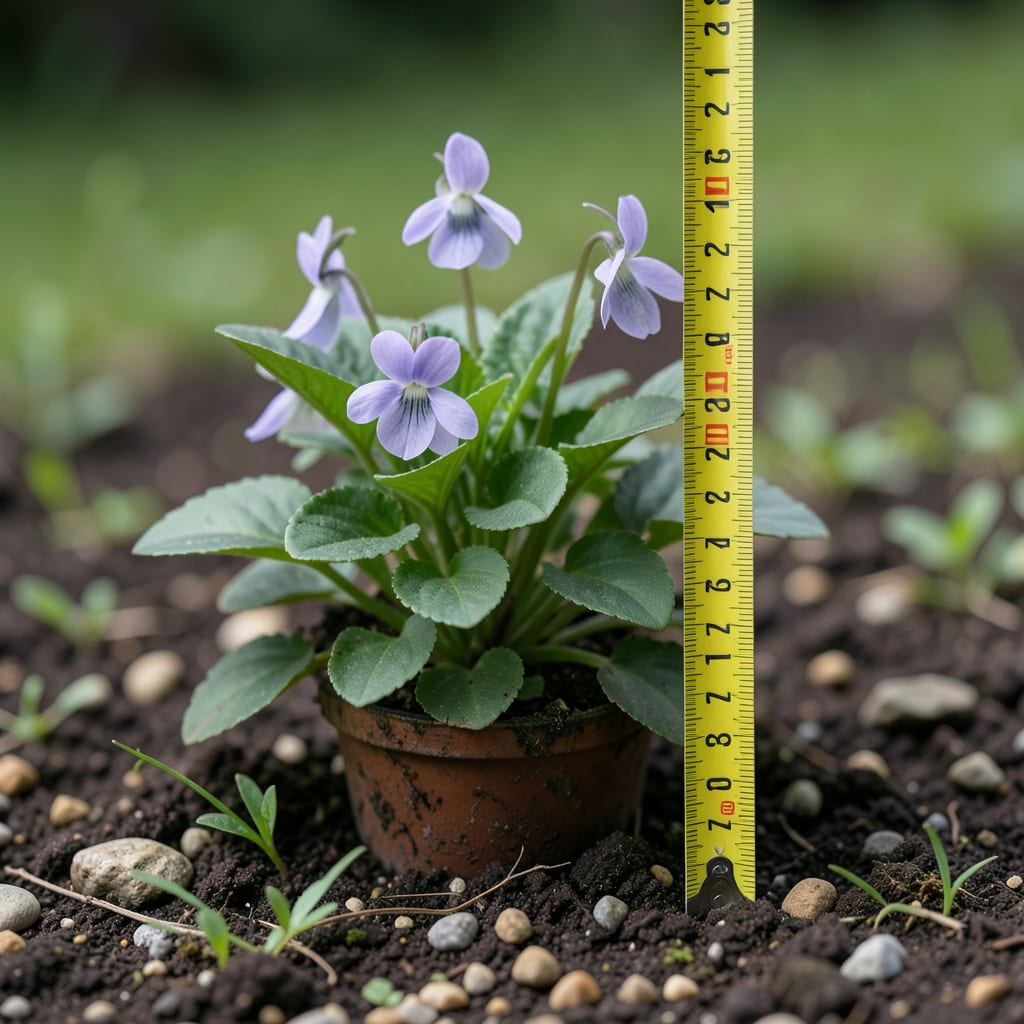
As I gaze at my delicate Violet 🌸 plants, I’m always fascinated by their compact growth. These charming flowers typically grow between 0.25 to 1 foot tall, making them perfect for adding beauty to small spaces.
In USDA Zone 6, Violets thrive in the spring season, and with proper care, they can bloom vibrantly. Let’s explore the factors that influence their height and how to encourage healthy growth.


I find that Violets are charming, delicate flowers that add beauty to any garden or indoor space. Understanding their growth habits is key to proper care. The height of Violets can vary based on several factors.
Violets typically grow between 0.25 to 1 foot tall. This compact growth makes them perfect for small spaces. In USDA Zone 6, Violets thrive in the spring season.
The height of Violets is influenced by factors such as species variation, growing conditions, and care practices. Different species of Violets can have varying growth habits. For example, some species may grow more compactly, while others may spread more.
Growing conditions also play a significant role in determining height. Violets prefer partial shade and consistently moist soil. Light that is too intense or soil that is too dry can affect their growth.
I have observed that care practices like watering, fertilizing, and pruning can also impact the height of Violets. Proper care ensures that Violets grow healthily and maintain their desired height.
Violets are small plants, with a mature height of about 0.5 feet. They are ideal for adding a touch of beauty to gardens or indoor spaces without taking up too much space.
The ideal months for planting Violets are March and April. Planting during these months allows Violets to establish themselves before the heat of summer.
Fertilizing Violets lightly during the growing season can support their growth. A balanced fertilizer with an NPK ratio of 10-10-10 is recommended.
Watering Violets regularly to keep the soil consistently moist is crucial. They prefer morning watering to ensure the plants have enough moisture throughout the day.
Overall, understanding the growth habits of Violets and providing them with the right conditions and care can help them thrive and reach their optimal height 🌼.
I find that understanding the factors that influence the height of Violets is crucial for their proper care. Several elements can affect how tall these charming flowers grow 🌼.
Light is a critical factor in determining Violet height. They prefer partial shade, typically requiring 4-6 hours of filtered sunlight daily. Too much direct sunlight can cause stress and limit growth.
Violets are sensitive to extreme temperatures. They thrive in temperatures between 65°F to 75°F (18°C to 24°C), which supports healthy growth and optimal height.
Soil quality is another significant factor. Violets prefer consistently moist soil that is rich in organic matter. Ensuring the soil is well-draining and fertile can promote healthy growth.
Watering practices also play a role in Violet height. Regular watering to maintain moist soil is essential. However, overwatering can be detrimental, leading to root rot and stunted growth.
Temperature affects Violet growth as well. They thrive in moderate temperatures and are sensitive to extremes. Keeping them in an environment with stable temperatures can help them reach their optimal height.
In my experience, fertilizing Violets lightly during the growing season can support their growth. A balanced fertilizer with an NPK ratio of 10-10-10 is recommended for promoting healthy development.
By understanding and managing these factors, you can help your Violets grow to their full potential and enjoy their beautiful blooms 🌸.
Overall, the height of Violets is influenced by a combination of factors including light, soil, watering, and temperature. Proper care and attention to these elements can ensure they thrive and reach their optimal height.
I find that managing the height of Violets is crucial for their optimal growth and overall health. By understanding how to control their height, you can ensure they thrive in your garden or indoor space 🌼.
Pruning is an effective way to manage Violet height. Regularly removing dead or dying leaves and flowers encourages new growth and helps maintain a compact shape.
Regularly inspect your Violets and remove any dead or dying leaves to prevent disease and encourage healthy growth.
If your Violets become leggy, trim back the stems to encourage bushier growth and a more compact shape.
Ensure your Violets receive the right amount of light, water, and fertilizer to support healthy growth and optimal height.
Propagation is another method to manage Violet height. By dividing and re-potting Violets, you can control their size and encourage new plants to grow.
I have found that maintenance is key to keeping Violets healthy and at the desired height. Regularly checking for pests, diseases, and nutrient deficiencies can help prevent issues that may affect their growth 🌸.
By following these tips, you can effectively manage the height of your Violets and enjoy their beautiful blooms in your garden or indoor space.
Overall, managing Violet height requires a combination of pruning, propagation, and maintenance. With proper care, Violets can thrive and add beauty to any setting.
Violets typically grow between 0.25 to 1 foot tall, making them perfect for small spaces. Their compact growth is ideal for adding beauty to gardens or indoor spaces without taking up too much room.
Growing conditions, such as light, soil quality, and watering practices, significantly impact Violet height. They prefer partial shade and consistently moist soil, which supports healthy growth and optimal height.
Yes, you can manage Violet height through pruning, propagation, and proper maintenance. Regularly removing dead leaves and flowers encourages new growth and helps maintain a compact shape. Pruning and dividing plants can also help control their size.
Violets thrive in partial shade with 4-6 hours of filtered sunlight daily. They prefer consistently moist soil rich in organic matter and moderate temperatures between 65°F to 75°F (18°C to 24°C). These conditions support healthy growth and optimal height.
