
Beautiful Plants For Your Interior
Beautiful Plants For Your Interior
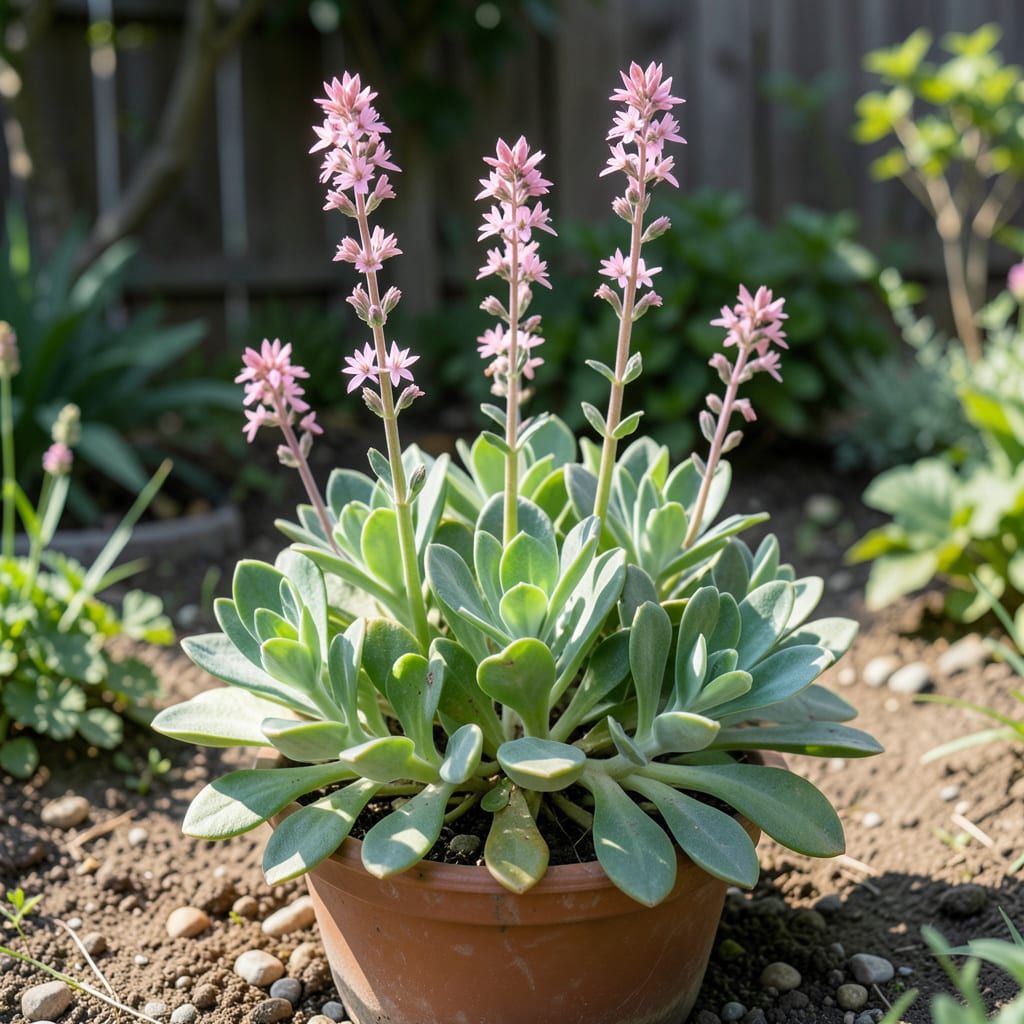
Sedum plants 🌱 come in a wide range of sizes, from compact groundcovers to tall architectural specimens that can grow up to 3 feet tall. Their height depends on the variety and growing conditions.
Whether you’re looking for a statement piece or a subtle addition to your garden in USDA Zone 6, understanding sedum’s growth habits is key to choosing the right variety for your space.


Sedum plants come in a wide range of sizes, from compact groundcovers to tall architectural specimens. The height of sedum plants varies significantly depending on the variety, with some growing as short as 0.2 feet and others reaching up to 3 feet tall 🌱.
Understanding the maximum height of different sedum varieties is crucial for gardeners and landscapers to plan their garden or landscape design effectively. Different sedum types have unique growth habits that affect their overall height and spread.
The maximum height of sedum plants is influenced by factors such as growing conditions, care practices, and environmental factors. For example, sedum plants grown in areas with full sun and well-draining soil tend to grow more compactly, while those in partial shade may stretch towards the light 🔥.
In my experience, the most significant factor affecting sedum height is soil quality. Sedum plants grown in poor soil with low nutrient content tend to grow more slowly and remain more compact, while those in rich soil may grow more vigorously and reach their maximum height more quickly 🌿.
When selecting sedum plants for your garden, consider the mature size of the plant and leave enough space for it to grow. Some sedum varieties can spread quite wide, so proper spacing is essential to prevent overcrowding and promote healthy growth.
Proper spacing is critical for sedum plants to thrive. Planting them too close together can lead to reduced air circulation and increased risk of disease. On the other hand, spacing them too far apart can result in a sparse, uneven appearance 💡.
To achieve the best results, research the specific growing requirements and mature size of the sedum variety you’re interested in. This will help you make informed decisions about planting location, spacing, and care practices.
By understanding the maximum heights of different sedum varieties and the factors that influence their growth, you can create a beautiful and thriving succulent garden that meets your needs and preferences 🌻.
In conclusion, sedum plants offer a range of sizes to suit different garden designs and spaces. By choosing the right variety and providing proper care, you can enjoy these hardy, architectural succulents in your garden for years to come.
Sedum plant height is influenced by multiple factors that gardeners can control or optimize. Understanding these factors is crucial for achieving desired plant heights and overall garden design 🌿.
Growing conditions play a significant role in sedum height development. Plants grown in full sun tend to be more compact, while those in partial shade may stretch towards available light 🔥.
Soil quality, sunlight exposure, and watering practices are the primary factors affecting sedum height growth.
Soil quality is particularly important as it affects nutrient availability and drainage. Sedum plants in well-draining soil with appropriate nutrient levels tend to grow more healthily and reach their potential height more consistently 🌱.
Watering practices also impact sedum height. Overwatering can lead to leggy growth as plants stretch towards available light, while underwatering can result in more compact growth 💧.
Fertilization affects sedum height by providing essential nutrients. A balanced fertilizer applied during the growing season can promote healthy growth and optimal height development 🌻.
The climate and temperature also influence sedum growth. Plants in cooler climates may grow more slowly and remain more compact, while those in warmer climates may grow more vigorously 🔥.
By understanding and managing these factors, gardeners can better control sedum plant height and create the desired landscape effect in their gardens.
In summary, sedum height is determined by a combination of growing conditions, care practices, and environmental factors that gardeners can influence through informed decision-making and proper plant care 💡.
When selecting sedum plants for your garden, understanding their mature height is crucial for creating a balanced landscape design 🌿.
Different sedum varieties offer unique height characteristics that can dramatically impact your garden’s visual appeal and spatial organization.
When planning your sedum garden, consider the mature size of the plants to ensure proper spacing and prevent overcrowding 🔥.
Proper spacing is essential for maintaining healthy plants and achieving the desired visual effect in your garden.
For example, compact sedum varieties like ‘Blue Spruce‘ or ‘Dragon’s Blood’ are perfect for small containers or rock gardens, while taller varieties like ‘Autumn Joy’ or ‘Matrona’ can serve as striking focal points in larger garden beds 🌱.
By carefully selecting sedum varieties based on their height characteristics, you can create a visually appealing and well-balanced succulent garden that meets your specific needs and preferences.
In my experience, mixing different sedum heights adds depth and visual interest to garden designs, creating a more dynamic landscape 💡.
To achieve the best results, research the specific growing requirements and mature size of the sedum variety you’re interested in to make informed decisions about planting location and spacing.
Sedum plants can grow anywhere from 0.2 feet to 3 feet tall, depending on the variety. Some compact varieties remain low-growing, while others can reach impressive heights. The height variation makes them versatile for different garden designs .
Growing conditions significantly impact sedum height. Plants grown in full sun and well-draining soil tend to be more compact, while those in partial shade may stretch towards available light. Soil quality is particularly important, as it affects nutrient availability and drainage .
Yes, you can influence sedum height through care practices. Watering and fertilization play crucial roles. Overwatering can lead to leggy growth, while underwatering results in more compact growth. A balanced fertilizer during the growing season can promote healthy growth and optimal height .
Consider the mature size of the sedum variety and your available space. Compact varieties like ‘Blue Spruce’ are ideal for small containers, while taller varieties like ‘Autumn Joy’ can create dramatic focal points in larger garden beds. Researching the specific variety’s growing requirements helps ensure proper spacing and care .
