
Beautiful Plants For Your Interior
Beautiful Plants For Your Interior
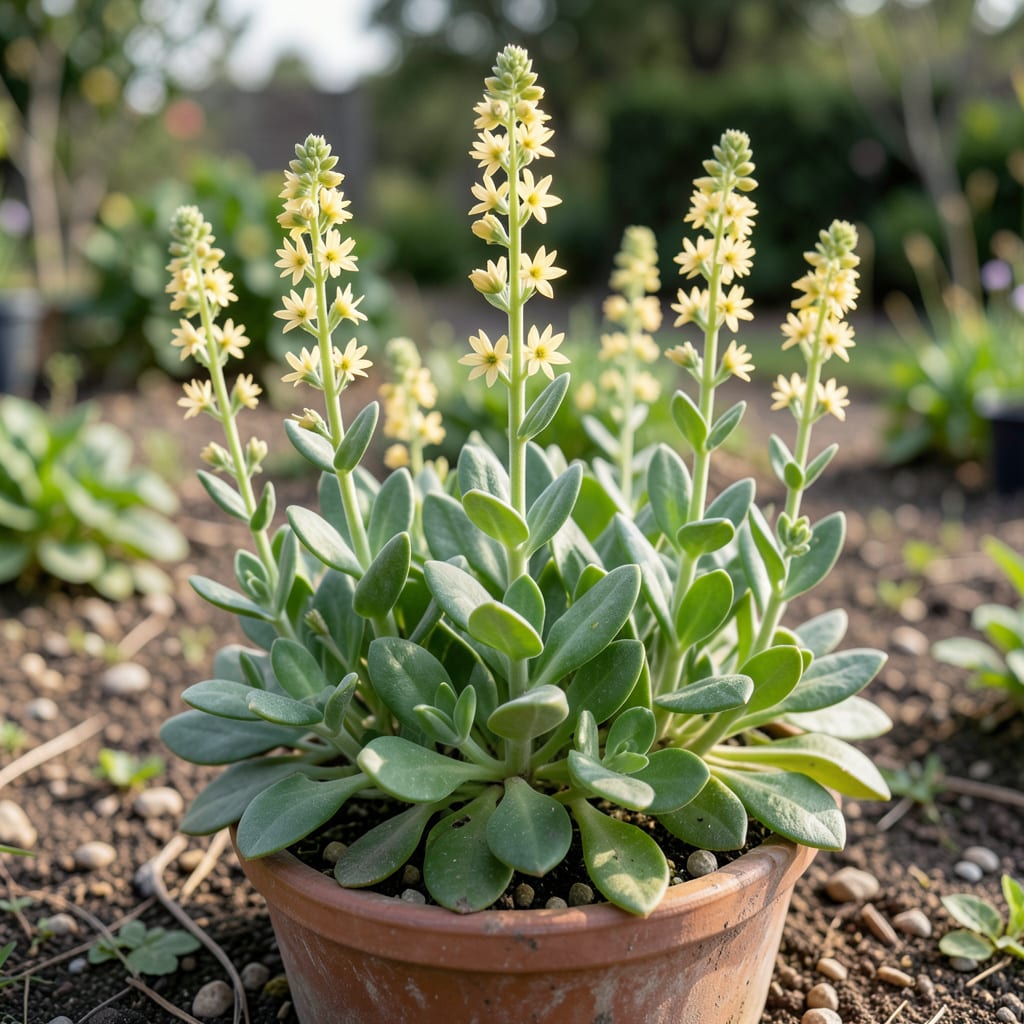
As a gardener, I’ve always been fascinated by 🌱 Sedum plants – their striking forms and impressive height potential make them a favorite among succulent enthusiasts. Growing in USDA Zone 6, these plants can thrive with proper care.
Understanding how tall Sedum can grow is crucial for garden planning. Factors like soil quality, sunlight, and watering schedules all impact their maximum height, which can range from 0.2 to 3 feet depending on the variety and conditions.


Sedum plants are known for their diverse growth patterns and impressive height potential. As a gardener, understanding these growth habits is crucial for planning your garden or succulent collection. Different sedum varieties exhibit unique characteristics that affect their maximum height 🌿.
The height of sedum plants can vary significantly based on factors such as species, growing conditions, and care practices. Some sedum varieties remain compact and low-growing, while others can reach impressive heights. Knowing what to expect from your sedum plants helps in creating a balanced and visually appealing garden design 💡.
The maximum height of sedum plants is influenced by their natural growth habits. Creeping sedum varieties tend to spread out rather than grow tall, making them ideal for ground cover or container edges. Upright sedum varieties, on the other hand, can grow significantly taller and are often used as focal points in garden designs 🌸.
Tall sedum varieties, such as Sedum spectabile or Sedum telephium, can reach heights of 2 to 3 feet. These taller varieties often produce sturdy stems and large flower heads, making them a popular choice for adding drama and height to garden beds and borders 💐.
Understanding the growth patterns of different sedum varieties allows gardeners to make informed decisions about plant placement and care. By selecting the right sedum for your garden’s conditions and needs, you can enjoy these plants’ unique beauty and resilience for years to come 🌱.
Sedum plants are generally low-maintenance and can thrive in a variety of conditions, making them a versatile choice for gardeners of all experience levels. Their ability to grow in poor soil and withstand drought adds to their appeal in water-conscious landscaping 🔥.
When planning your garden, consider the mature size of the sedum varieties you’re growing. This will help you space them appropriately and ensure they have enough room to reach their full height potential 📏.
Key factors that influence sedum height include soil quality, sunlight exposure, and watering practices. By optimizing these conditions, you can encourage your sedum plants to grow to their maximum potential height 🌻.
In addition to their height, sedum plants are valued for their architectural form and late-season blooms. Many tall sedum varieties produce large clusters of flowers that attract pollinators and add color to the garden in late summer and fall 🐝.
By understanding the growth patterns and maximum heights of different sedum varieties, gardeners can create more effective and visually appealing garden designs. Whether you’re looking for a ground cover or a statement piece, there’s a sedum variety to suit your needs 🌼.
Overall, sedum plants offer a range of growth habits and heights that can enhance any garden or succulent collection. Their versatility and low-maintenance requirements make them an excellent choice for gardeners looking to add interest and beauty to their outdoor spaces 🌿.
The height of sedum plants is influenced by several key factors, including soil quality, light exposure, and watering practices. Understanding these elements is crucial for gardeners who want to maximize their sedum’s growth potential 🌿.
Soil quality plays a significant role in sedum height. Sedum plants prefer well-draining soil that is not too rich in nutrients. Soil that is too dense or retains too much water can lead to root rot, stunting the plant’s growth. On the other hand, soil that is too poor may not provide enough nutrients for optimal growth 🌻.
To maximize sedum height, ensure proper soil conditions, adequate light exposure, and appropriate watering practices.
Light exposure is another critical factor affecting sedum height. Most sedum varieties require full sun to partial shade to grow well. Inadequate light can result in leggy growth, while too much direct sunlight can cause scorching 🔥.
Watering practices also significantly impact sedum height. Overwatering can lead to root rot and stunted growth, while underwatering can cause stress and reduce the plant’s overall height. Finding the right balance is key to promoting healthy growth 💧.
In addition to these factors, fertilization and pruning practices can also influence sedum height. Feeding your sedum with a balanced fertilizer during the growing season can promote healthy growth, while pruning can help control the plant’s shape and encourage taller growth 🌸.
By understanding and optimizing these factors, gardeners can create an environment that supports their sedum plants’ maximum height potential. Whether you’re growing sedum in containers or in-ground, paying attention to these details can make a significant difference in the plant’s overall health and appearance 🌻.
It’s also worth noting that different sedum varieties have different growth habits and requirements. Researching the specific needs of your sedum variety can help you tailor your care practices to maximize its height potential 📚.
In summary, achieving maximum height in sedum plants requires a combination of proper soil conditions, adequate light, appropriate watering, and thoughtful care practices. By focusing on these key areas, gardeners can enjoy the full beauty and potential of their sedum plants 🌼.
To achieve maximum height in sedum plants, gardeners can employ several expert techniques. First, proper spacing is crucial – allowing sufficient room between plants prevents competition for resources and promotes healthier growth 🌿.
Pruning practices also play a significant role in maximizing sedum height. Removing spent flower heads and weak or damaged stems encourages the plant to focus energy on producing stronger, taller growth 🔥.
Use well-draining soil to prevent root rot and ensure healthy root development.
Ensure full sun to partial shade to promote healthy, upright growth.
Avoid overwatering to prevent root rot and promote healthy growth.
By implementing these expert tips, gardeners can encourage their sedum plants to reach their full height potential. Regular monitoring and adjustment of care practices will help ensure optimal growth and health 🌸.
It’s also important to note that different sedum varieties may respond differently to these techniques. Researching the specific needs of your sedum variety can help tailor your care practices for maximum height 📚.
Key benefits of maximizing sedum height include creating dramatic garden focal points and improving overall plant health. Taller sedum plants can add significant visual interest to garden beds and borders 🌻.
In conclusion, achieving maximum height in sedum plants requires a combination of proper care practices, including spacing, pruning, soil optimization, adequate sunlight, and careful watering. By focusing on these areas, gardeners can enjoy the full beauty and potential of their sedum plants 🌱.
Sedum plants can grow anywhere from 2-4 inches for creeping varieties to 2-3 feet for taller upright varieties. The height depends on the specific type and growing conditions. Proper care can help maximize their height potential.
To promote taller growth, ensure your sedum receives full sun to partial shade and use well-draining soil. Avoid overwatering, which can lead to root rot. Proper spacing and occasional pruning can also encourage healthier, taller growth.
Yes, soil quality significantly impacts sedum height. Sedum prefers well-draining soil that’s not too rich in nutrients. Soil that’s too dense or retains too much water can cause root rot, stunting growth.
Yes, pruning can help. Removing spent flower heads and weak or damaged stems encourages the plant to focus energy on producing stronger, taller growth. Regular pruning maintains the plant’s shape and promotes healthier development.
