
Beautiful Plants For Your Interior
Beautiful Plants For Your Interior
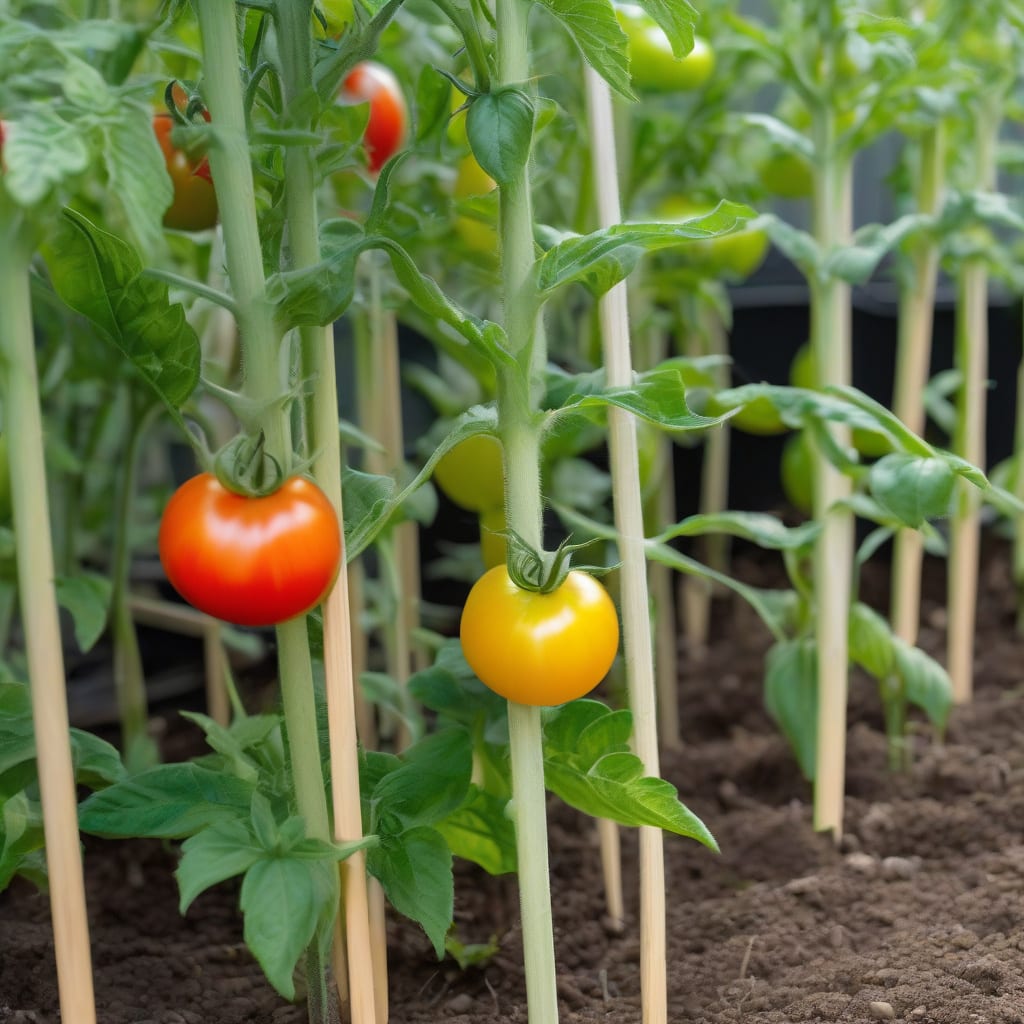
Growing Rutgers tomatoes 🍅 can be a rewarding experience, but understanding their growth habits is crucial for a bountiful harvest. These popular heirloom tomatoes are known for their rich flavor and productivity.
Rutgers tomatoes can grow quite tall, typically reaching heights of 5-6 feet when supported properly. To maximize your yield, it’s essential to provide the right support and training for these vigorous plants.


Rutgers tomatoes are known for their vigorous growth and can reach impressive heights when properly supported. Understanding their growth patterns is essential for maximizing your harvest.
The typical height range for Rutgers tomato plants is between 5-6 feet, with some plants growing even taller under optimal conditions. This indeterminate growth habit means they will continue to grow and produce fruit throughout the season.
Several factors can influence the final height of Rutgers tomato plants, including soil quality, sunlight exposure, and watering practices. Providing optimal growing conditions will help your plants reach their full potential height.
It’s worth noting that while Rutgers tomatoes can grow quite tall, their height can be managed through proper pruning and training techniques. Regular pruning can help control the plant’s size and promote better fruit production.
One of the key factors in managing Rutgers tomato height is providing adequate support. Using tomato cages, trellises, or stakes can help keep the plants upright and encourage vertical growth.
Proper spacing between plants is also crucial for healthy growth and maximum height. Spacing plants 2-3 feet apart allows for good air circulation and prevents overcrowding, which can lead to disease issues.
Rutgers tomatoes thrive in full sun and well-draining soil. Ensuring your plants receive at least 6 hours of direct sunlight per day and are planted in nutrient-rich soil will support their vigorous growth.
Regular watering and fertilization are also important for promoting healthy growth. Consistent moisture and balanced fertilization will help your Rutgers tomatoes reach their full height potential.
By understanding and supporting the natural growth habits of Rutgers tomatoes, you can enjoy a bountiful harvest of delicious, homegrown tomatoes. 🌼
With proper care and support, Rutgers tomato plants can become a productive and rewarding addition to any garden. Their rich flavor and productivity make them a favorite among gardeners and cooks alike.
Whether you’re a seasoned gardener or just starting out, growing Rutgers tomatoes can be a fun and rewarding experience. With the right knowledge and techniques, you can enjoy a successful harvest of these beloved tomatoes.
Managing the height of Rutgers tomato plants is crucial for maximizing yield and ensuring healthy growth. These indeterminate tomatoes require support as they can grow quite tall, typically reaching 5-6 feet in height.
To effectively manage their height, it’s essential to provide the right support structures. Using tomato cages, trellises, or stakes can help keep the plants upright and encourage vertical growth, which is key for maximizing space and yield.
Put stakes or cages in place when planting to avoid damaging roots later.
Remove lower leaves to improve air circulation and prevent soil-borne diseases.
Gently tie main stems to support as they grow to encourage upward growth.
Remove the growing tip when plants reach desired height to promote fruiting.
Regular pruning and training are vital for controlling the height of Rutgers tomatoes and promoting a healthy, productive plant. By following these steps, you can ensure your tomatoes grow strong and yield a bountiful harvest 🌼.
Proper support and management not only help in controlling the plant’s height but also improve air circulation, reduce disease risk, and make harvesting easier. This results in a more manageable and productive garden.
By understanding and implementing these strategies, you can enjoy a successful growing season with your Rutgers tomatoes, maximizing both their height and yield potential.
Effective management of Rutgers tomato plants requires attention to detail and consistent care. With the right techniques, you can optimize their growth and enjoy a plentiful harvest of delicious tomatoes.
Growing Rutgers tomatoes can be a rewarding experience, but there are several common mistakes to avoid to ensure a healthy and productive harvest. Understanding these potential pitfalls will help you maximize your yield and enjoy a successful growing season.
One of the most common mistakes gardeners make when growing Rutgers tomatoes is inadequate spacing. These plants require sufficient room to grow and receive adequate air circulation. Planting them too close together can lead to disease issues and reduced productivity. Ensure you space them 2-3 feet apart to prevent overcrowding.
Avoid overwatering your Rutgers tomatoes as it can lead to disease and root rot. Water them deeply but infrequently to encourage deep root growth.
Another critical mistake to avoid is inconsistent watering. Rutgers tomatoes need consistent moisture, especially when they’re producing fruit. Avoid letting the soil dry out completely, as this can cause blossom end rot and other issues. Water them deeply but infrequently to encourage deep root growth.
Poor soil quality is another factor that can negatively impact your Rutgers tomato harvest. Ensure your soil is well-draining and rich in organic matter. Adding compost or well-rotted manure can help improve soil fertility and structure, supporting healthy plant growth.
Finally, neglecting to provide support can lead to a tangled mess of vines and reduced fruit production. Use tomato cages, trellises, or stakes to keep your plants upright and encourage vertical growth. This will not only make harvesting easier but also improve air circulation and reduce disease risk 🌼.
By avoiding these common mistakes, you can enjoy a bountiful harvest of delicious Rutgers tomatoes. With proper care and attention, your plants will thrive and provide you with a rewarding gardening experience.
