
Beautiful Plants For Your Interior
Beautiful Plants For Your Interior
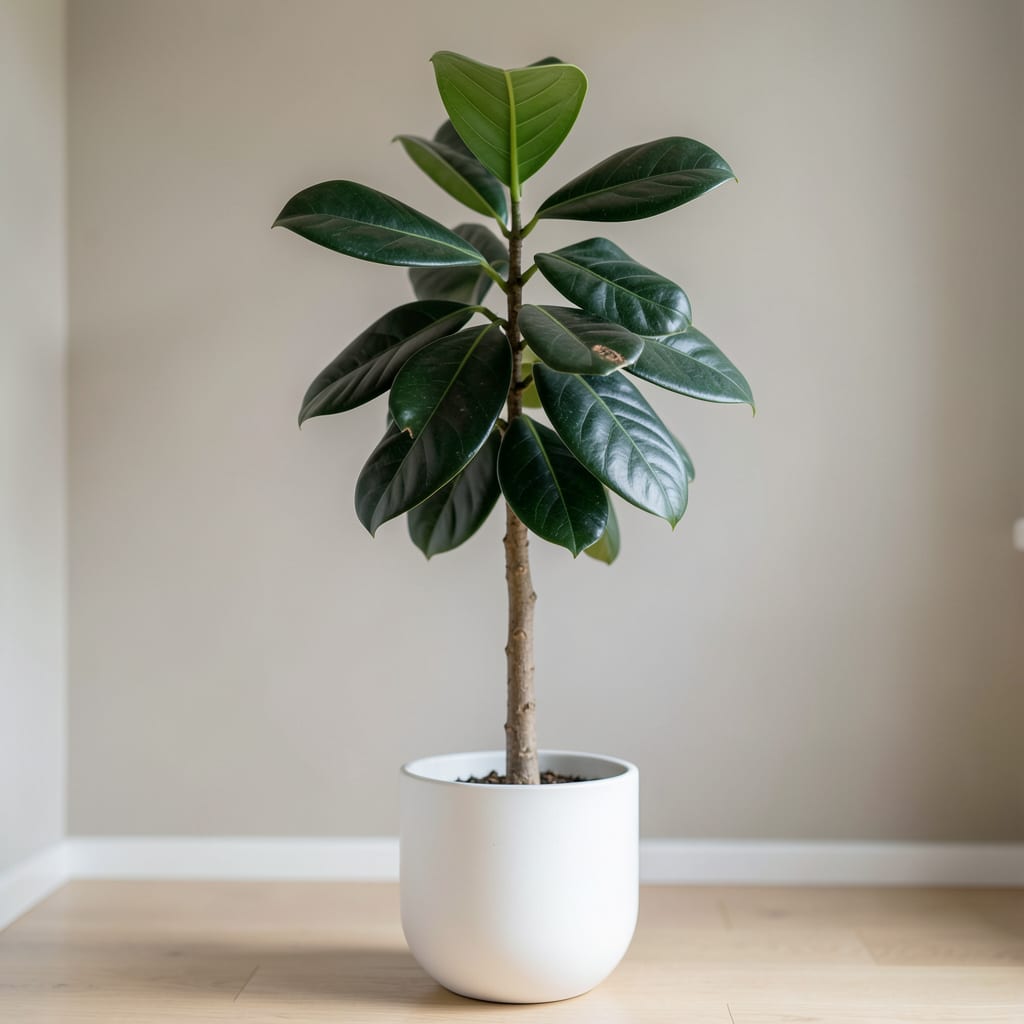
Rubber trees 🌳 are known for their impressive height, but have you ever wondered just how tall they can grow? In ideal conditions, these trees can reach remarkable heights, making them a stunning addition to any landscape.
Understanding the growth potential of your Rubber Tree is key to providing the right care. Let’s explore the factors that influence their height and how you can manage their growth for optimal results.


Rubber trees can grow to impressive heights, but their growth is influenced by various factors. Understanding these factors is crucial for cultivating healthy and thriving trees 🌳.
The height of a rubber tree is determined by a combination of environmental conditions, soil quality, and maintenance practices. Let’s explore these factors in more detail.
Each of these factors plays a significant role in determining how tall your rubber tree will grow. By optimizing these conditions, you can help your tree reach its full potential 🌟.
Light exposure is particularly important as it directly affects the tree’s ability to photosynthesize and grow. Rubber trees prefer bright, indirect light, which can be achieved by placing them near an east- or west-facing window 🌞.
Watering practices also significantly impact growth. Overwatering can lead to root rot, while underwatering can cause stress to the plant. Maintaining a consistent watering schedule is essential 💦.
Temperature control is another critical factor. Rubber trees are sensitive to extreme temperatures and prefer a warm, stable environment. Avoid placing them near drafty windows or air conditioning vents ❄️.
Fertilization provides the necessary nutrients for growth. A balanced fertilizer applied during the growing season can promote healthy development and maximize height 🌱.
Pruning is a maintenance practice that not only helps control the height of the tree but also encourages a bushier, more robust growth pattern. Prune your rubber tree in the spring or early summer for best results ✂️.
By understanding and managing these factors, you can create an optimal environment for your rubber tree to grow tall and healthy 🌳.
In summary, the height of a rubber tree is influenced by a combination of environmental conditions and maintenance practices. By providing the right care, you can help your tree thrive and reach its maximum height potential 📈.
Rubber trees are known for their impressive height, reaching up to 100 feet in ideal conditions. Their natural growth habit makes them a striking presence in any landscape 🌳.
The maximum height of rubber trees varies depending on whether they are growing in their natural habitat or in cultivation. Let’s explore these differences in more detail.
Rubber trees can grow to varying heights based on their environment. In the wild, they can reach heights of 100 feet or more, while cultivated trees typically top out at 8-10 feet indoors and up to 30 feet outdoors in ideal conditions 📏.
In their natural habitat, rubber trees can achieve remarkable heights due to the optimal growing conditions. Factors such as ample sunlight, consistent rainfall, and rich soil contribute to their growth 🌟.
In contrast, cultivated rubber trees often have their growth limited by factors such as container size, indoor lighting conditions, and pruning practices. Understanding these limitations is key to managing their height effectively 🌱.
When grown indoors, rubber trees typically reach heights of 8-10 feet. This is due to the limited light and space available in indoor environments 🏠.
Outdoors, in more favorable conditions, rubber trees can grow much taller, often reaching heights of 20-30 feet or more. The increased sunlight and space allow for more vigorous growth 🌞.
To manage the height of your rubber tree, consider factors such as pruning, container size, and light exposure. By adjusting these elements, you can influence the tree’s growth and maintain a desired height ✂️.
In summary, the maximum height potential of rubber trees is influenced by their growing conditions. By understanding these factors, you can better manage your tree’s growth and enjoy its beauty for years to come 🌳.
Managing the height of your rubber tree is crucial for maintaining its aesthetic appeal and ensuring it thrives in its environment 🌳.
Rubber trees can grow quite tall, but with proper care and maintenance, you can control their height to suit your space. Let’s explore some practical tips for managing rubber tree height.
Regular pruning is essential for maintaining the desired height of your rubber tree. Prune in the spring or early summer to encourage a fuller plant ✂️.
When growing rubber trees indoors, it’s essential to consider the limited space and light availability. Regular pruning helps maintain a desired height and promotes a bushier growth pattern 🏠.
For outdoor cultivation, rubber trees can grow much taller. However, regular maintenance is still necessary to keep them at a manageable height. Prune your rubber tree annually to maintain its shape and size 🌳.
Pruning techniques can vary depending on your desired outcome. To maintain a taller tree, prune only the lower branches. For a shorter, bushier tree, prune the top branches to encourage lateral growth ✂️.
Container size also plays a significant role in managing rubber tree height. A larger container can support more extensive root growth, potentially leading to a taller tree 🌿.
In summary, managing rubber tree height involves a combination of pruning, container size management, and understanding the tree’s growth habits. By applying these tips, you can enjoy a healthy and beautifully maintained rubber tree 📈.
By following these guidelines, you can effectively manage the height of your rubber tree and ensure it remains a stunning addition to your indoor or outdoor space 🌟.
Rubber trees can grow to varying heights depending on their environment. In ideal conditions, they can reach 100 feet or more in the wild, while cultivated trees typically top out at 8-10 feet indoors and up to 30 feet outdoors. The height potential is influenced by factors like light exposure, watering, and pruning practices.
Regular pruning is essential for maintaining the desired height of your rubber tree. Prune in the spring or early summer to encourage a fuller plant. You can also manage height by adjusting container size and light exposure. For a shorter tree, prune the top branches to encourage lateral growth.
Rubber trees prefer bright, indirect light to grow well. While they can tolerate low light, their growth may be slower, and they may not reach their full height potential. To promote healthy growth, place them near an east- or west-facing window.
Rubber trees prefer consistent moisture and should be watered when the top inch of soil feels dry. Overwatering can lead to root rot, while underwatering can cause stress. Maintain a consistent watering schedule, adjusting for seasonal changes.
