
Beautiful Plants For Your Interior
Beautiful Plants For Your Interior
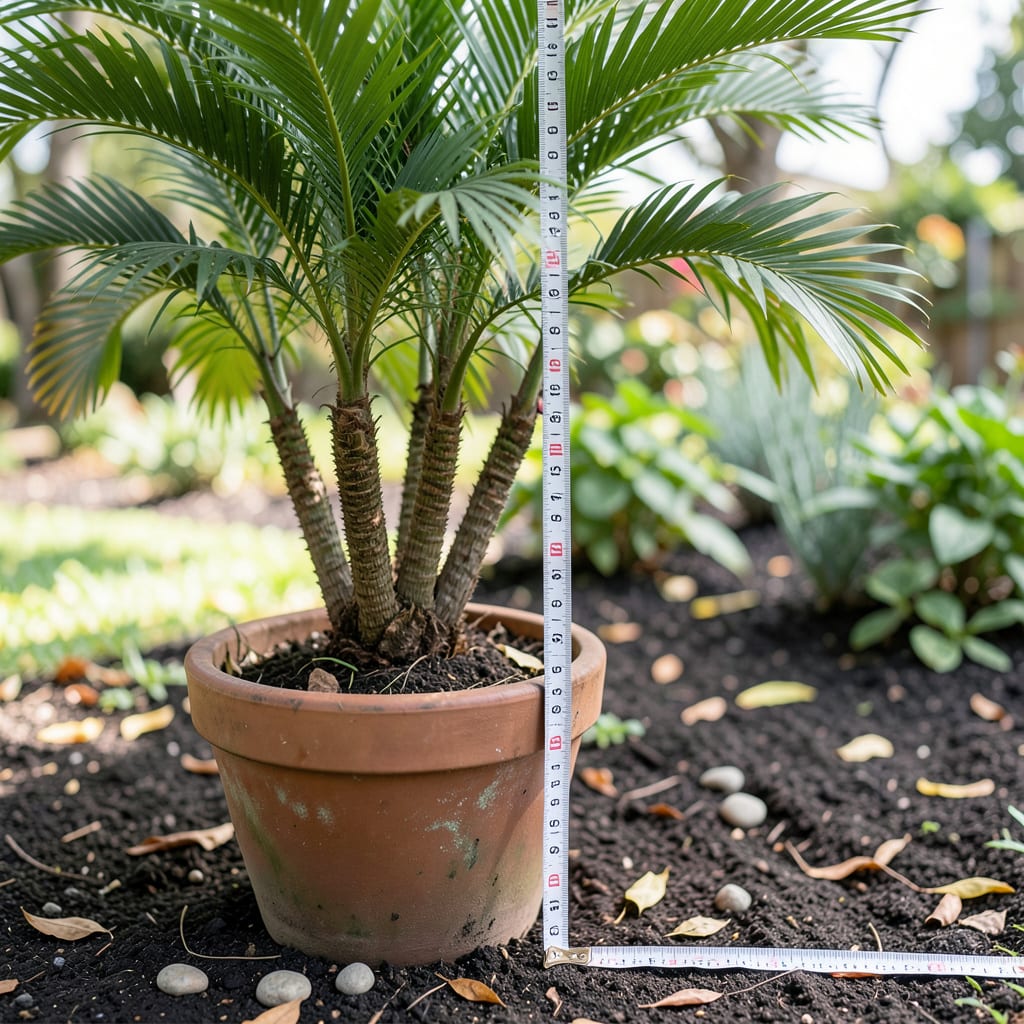
I’ve always been fascinated by the 🌴 Pygmy Palm’s compact size and elegant appearance. Growing in USDA Zone 6, these palms typically reach 4-6 feet tall, making them perfect for smaller gardens or containers.
Understanding their growth patterns is key to providing proper care. Let’s explore what influences their height and how to keep them thriving in various settings.

Pygmy palms are popular for their compact size and elegant appearance, making them ideal for smaller gardens or container planting. These palms typically grow between 4-6 feet tall, with some variation depending on the specific growing conditions.
The growth rate of pygmy palms is generally slow to moderate, with an average annual growth of 1-2 feet per year. The mature height is usually reached within 3-5 years under optimal conditions. Proper care and maintenance play a crucial role in achieving the maximum height potential.
The height of pygmy palms can be influenced by various factors including soil quality, sunlight exposure, and watering practices. These palms prefer well-draining soil and full sun to partial shade. Regular watering is essential, but they are relatively drought-tolerant once established.
Understanding these growth patterns helps gardeners make informed decisions about planting location and care routines. Proper placement and maintenance can ensure that pygmy palms reach their full height potential while maintaining their compact and attractive appearance.
When planting pygmy palms, it’s essential to consider their mature size to avoid overcrowding. These palms typically require 3-5 feet of space to grow comfortably. Their relatively small size makes them suitable for various landscaping applications, from container gardens to understory plantings in larger landscapes.
The growth habit of pygmy palms is characterized by a single stem with a crown of fronds. This growth pattern contributes to their elegant appearance and makes them a popular choice for adding a tropical touch to gardens.
Regular maintenance, including fertilization and pruning, can support healthy growth and help pygmy palms achieve their maximum height. Fertilizing during the growing season with a balanced fertilizer can provide necessary nutrients for optimal growth.
Pygmy palms are also relatively low-maintenance compared to other palm species. They require minimal pruning, mainly to remove dead or damaged fronds. This ease of care makes them an attractive option for gardeners of various skill levels.
In summary, pygmy palms are a versatile and attractive addition to many garden settings. Their compact size, slow to moderate growth rate, and low-maintenance requirements make them an excellent choice for gardeners looking to add a touch of tropical elegance to their landscapes.
By understanding the growth patterns and requirements of pygmy palms, gardeners can better care for these plants and enjoy their beauty for years to come. 🌴
Pygmy palms are sensitive to their growing conditions, which significantly impact their height development. The soil quality plays a crucial role in determining how tall these palms can grow. They thrive in well-draining soil that is rich in organic matter.
Pygmy palms prefer soil with good drainage and moderate fertility. Regular soil testing can help determine nutrient levels and pH, allowing for adjustments to optimize growth conditions.
Sunlight exposure is another critical factor affecting pygmy palm height. These palms generally prefer full sun to partial shade. In areas with intense sunlight, providing some afternoon shade can prevent leaf scorch and promote healthier growth.
Watering practices also influence the height of pygmy palms. Consistent moisture, especially during the growing season, supports healthy development. However, these palms are relatively drought-tolerant once established, making them adaptable to various watering conditions.
Nutrient availability is vital for optimal growth. Regular fertilization during the growing season with a balanced fertilizer can provide necessary nutrients for pygmy palms to reach their maximum height potential.
Other environmental factors such as temperature and protection from extreme weather also play a role in pygmy palm growth. They generally thrive in temperatures between 65°F to 75°F (18°C to 24°C) and require protection from frost and strong winds.
By understanding and managing these factors, gardeners can create optimal conditions for their pygmy palms to grow and thrive, ultimately influencing how tall these palms can grow in their specific garden environment 🌴.
Regular monitoring of the palm’s condition and adjusting care practices accordingly can help achieve the desired height and overall health of the plant.
Proper care and attention to the specific needs of pygmy palms will ensure they remain a beautiful and elegant addition to any garden or landscape.
I find that managing pygmy palm height is crucial for maintaining their aesthetic appeal and ensuring they fit well within their designated space. These palms typically grow between 4-6 feet tall, and understanding how to manage their height can help gardeners achieve their desired landscape.
Regular pruning helps maintain the palm’s appearance and promotes healthy growth. Remove any dead or damaged fronds to keep the plant looking its best.
Proper watering is essential for healthy growth. Ensure the soil is consistently moist but not waterlogged, as this can impact the palm’s height and overall health.
Fertilizing with a balanced fertilizer during the growing season provides necessary nutrients for optimal growth and helps pygmy palms reach their maximum height potential.
By following these tips, gardeners can effectively manage the height of their pygmy palms and ensure they remain a beautiful and elegant addition to their garden or landscape. Regular maintenance and attention to the specific needs of pygmy palms are key to achieving the desired height and overall health 🌴.
Understanding the growth patterns and requirements of pygmy palms allows gardeners to make informed decisions about their care. With proper placement and maintenance, pygmy palms can thrive and add a touch of tropical elegance to any setting.
Proper care practices, including pruning, watering, and fertilizing, contribute to the overall health and appearance of pygmy palms. By implementing these strategies, gardeners can enjoy the beauty of their pygmy palms for years to come.
Pygmy palms typically grow between 4-6 feet tall. Their compact size makes them ideal for smaller gardens or container planting. Proper care can help them reach their maximum height potential.
Pygmy palms have a slow to moderate growth rate, averaging 1-2 feet per year. They usually reach their mature height within 3-5 years under optimal conditions. Regular maintenance supports healthy growth.
Several factors influence pygmy palm height, including soil quality, sunlight exposure, and watering practices. They prefer well-draining soil and full sun to partial shade. Proper care helps them reach their maximum height.
Yes, you can manage pygmy palm height through regular pruning and proper care. Removing dead or damaged fronds and maintaining consistent watering and fertilization practices helps keep the palm healthy and at the desired height. Regular maintenance is key to optimal growth.
