
Beautiful Plants For Your Interior
Beautiful Plants For Your Interior
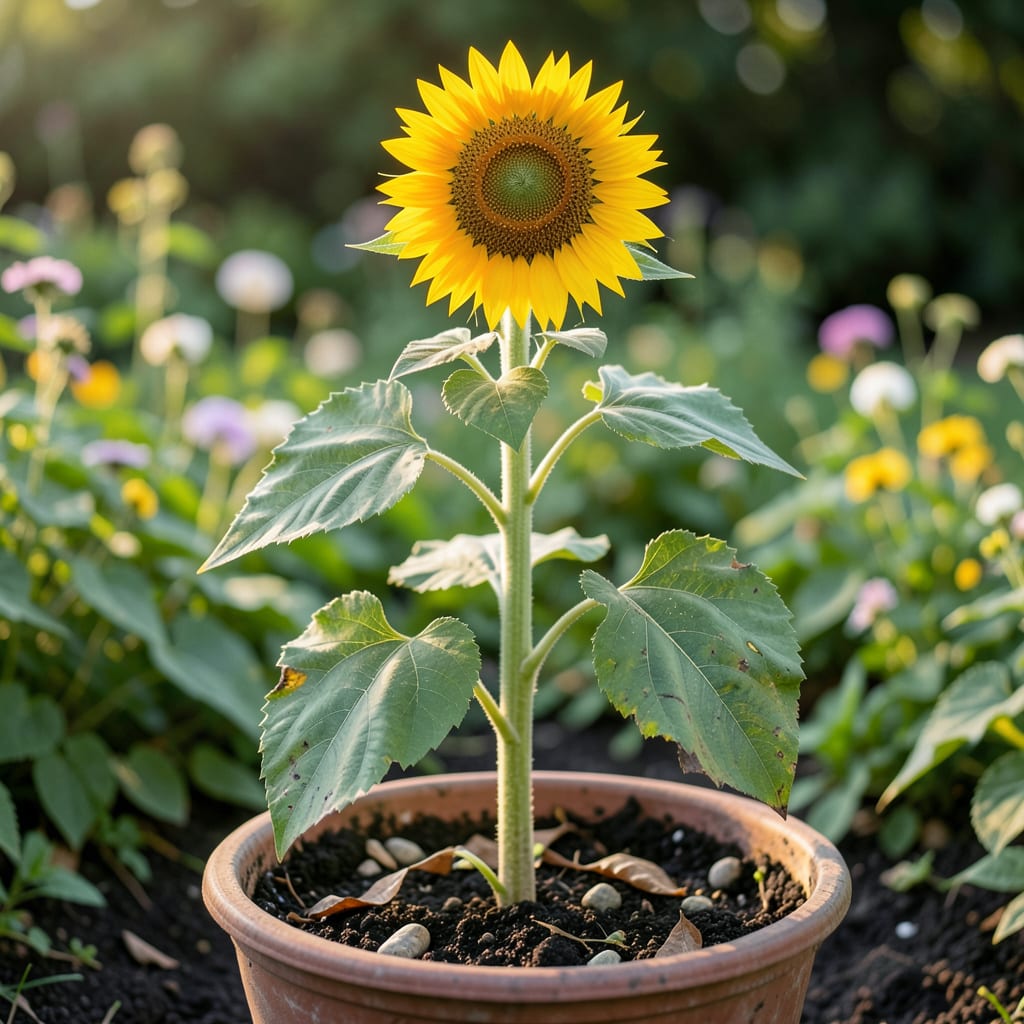
I still remember the first time I grew Purple Sunflowers 🌻 in my garden – their dramatic height and rich color completely transformed the space. Understanding how tall they can grow helps you plan your garden layout effectively.
Purple Sunflowers can reach 5-10 feet tall, depending on the variety and growing conditions. Let’s explore the factors that influence their growth and how to maximize their potential.

Purple sunflowers are known for their impressive height and vibrant color. The height of these plants can vary significantly based on several factors, including genetics, growing conditions, and care practices.
The typical height range for purple sunflowers is between 5 to 10 feet, with some varieties growing even taller under optimal conditions. Factors such as soil quality, sunlight exposure, and watering practices play a crucial role in determining the final height of these plants 🌻.
The genetic makeup of the sunflower variety is a primary determinant of its potential height. Different cultivars of purple sunflowers have been bred for various characteristics, including height.
Dwarf varieties typically grow between 2 to 4 feet tall and are ideal for smaller gardens or container gardening. Semi-dwarf varieties range from 4 to 6 feet, offering a moderate height that still allows for impressive blooms without overwhelming the garden space.
Standard purple sunflowers are the tallest, reaching heights of 6 to 10 feet. These taller varieties make a dramatic statement in any garden and are often used as focal points or background plants.
Understanding these height variations helps gardeners choose the right variety for their specific needs and garden design.
The growing conditions also significantly impact the height of purple sunflowers. Factors such as soil quality, sunlight exposure, and watering practices can either promote or limit the growth potential of these plants.
Soil quality is crucial, as purple sunflowers prefer well-draining soil rich in organic matter. Adequate sunlight is another critical factor, with these plants requiring full sun to thrive. Proper watering practices ensure that the plants receive consistent moisture, especially during dry periods 🌟.
By understanding these factors and selecting the appropriate variety, gardeners can better predict and manage the height of their purple sunflowers.
Effective garden planning involves considering the mature height of purple sunflowers. These tall plants can serve as dramatic backdrops or focal points in garden designs.
When planting, it’s essential to space purple sunflowers appropriately to allow for their full growth potential. Proper spacing also ensures good air circulation, which can help prevent disease 🔍.
In summary, the height of purple sunflowers is influenced by a combination of genetic and environmental factors. By selecting the right variety and providing optimal growing conditions, gardeners can enjoy these stunning plants at their full height potential.
To achieve the maximum height potential for purple sunflowers, gardeners need to focus on several key factors that influence their growth. The right combination of soil preparation, sunlight, watering, and fertilization can make a significant difference in how tall these plants can grow 🌻.
Soil preparation is the foundation for healthy sunflower growth. Purple sunflowers thrive in well-draining soil that is rich in organic matter. Before planting, amend the soil with compost or well-rotted manure to improve its fertility and drainage. This helps create a strong root system that supports tall, vigorous plants.
Purple sunflowers require full sun to reach their maximum height. Ensure they receive at least 6-8 hours of direct sunlight daily. Proper sunlight exposure is crucial for photosynthesis and overall plant vigor.
Consistent moisture is key during the early growth stages. Water deeply once or twice a week, depending on weather conditions. Avoid overhead watering to prevent disease and root rot. Water at the base of the plants to keep the foliage dry.
Feed purple sunflowers with a balanced fertilizer during the growing season. Apply fertilizer when the plants are about 12 inches tall and again during the budding stage. This supports healthy growth and encourages the plants to reach their full height potential.
By following these expert tips and best practices, gardeners can create optimal conditions for their purple sunflowers to grow tall and strong. The combination of proper soil preparation, adequate sunlight, consistent watering, and strategic fertilization will help maximize the height and overall health of these beautiful plants 🌟.
Regular maintenance is also essential. Keep the area around the sunflowers free of weeds, which can compete for nutrients and water. Stake taller varieties if necessary to prevent them from toppling over in strong winds.
With the right care and attention, purple sunflowers can become a stunning feature in any garden, providing a dramatic backdrop and a striking visual element 🔍.
Purple sunflowers, like other sunflower varieties, can face several challenges that affect their growth and height. Understanding these challenges and knowing how to address them can help gardeners achieve healthier, taller plants 🌻.
Pests are a common issue that can impact the height of purple sunflowers. Aphids, caterpillars, and birds are among the pests that can damage these plants. Regular monitoring and appropriate pest control measures can help mitigate these issues.
Regularly inspect your purple sunflowers for signs of pests or diseases. Early detection allows for timely intervention, preventing significant damage.
Diseases such as powdery mildew, downy mildew, and root rot can also stunt the growth of purple sunflowers. Ensuring good air circulation, avoiding overhead watering, and practicing crop rotation are effective strategies for preventing these diseases.
Environmental factors like strong winds and extreme weather conditions can damage purple sunflowers, affecting their height. Providing support for taller varieties and protecting plants from extreme weather can help mitigate these risks 🌟.
By being aware of these common challenges and implementing preventive measures, gardeners can better ensure that their purple sunflowers reach their full height potential.
Regular maintenance is key to overcoming these challenges. This includes keeping the area around the plants free of weeds, ensuring proper spacing for good air circulation, and monitoring for signs of pests or diseases 🔍.
With the right care and attention, purple sunflowers can thrive, adding beauty and height to any garden.
Purple sunflowers typically grow between 5 to 10 feet tall, with some varieties reaching even greater heights under optimal conditions. The height depends on factors like genetics, soil quality, and growing conditions. Proper care can help maximize their growth potential.
To maximize height, ensure your purple sunflowers receive full sun and are planted in well-draining soil rich in organic matter. Consistent moisture during early growth stages and strategic fertilization also support healthy growth. Regular maintenance, like keeping the area weed-free, is crucial.
Purple sunflowers can be affected by pests like aphids and caterpillars, diseases such as powdery mildew, and environmental factors like strong winds. Regular monitoring and preventive measures, such as proper spacing and avoiding overhead watering, can help mitigate these issues.
Yes, there are different varieties, including dwarf, semi-dwarf, and standard purple sunflowers. Dwarf varieties grow 2-4 feet tall, semi-dwarf 4-6 feet, and standard varieties can reach 6-10 feet or more. Choosing the right variety helps in planning your garden layout.
