
Beautiful Plants For Your Interior
Beautiful Plants For Your Interior
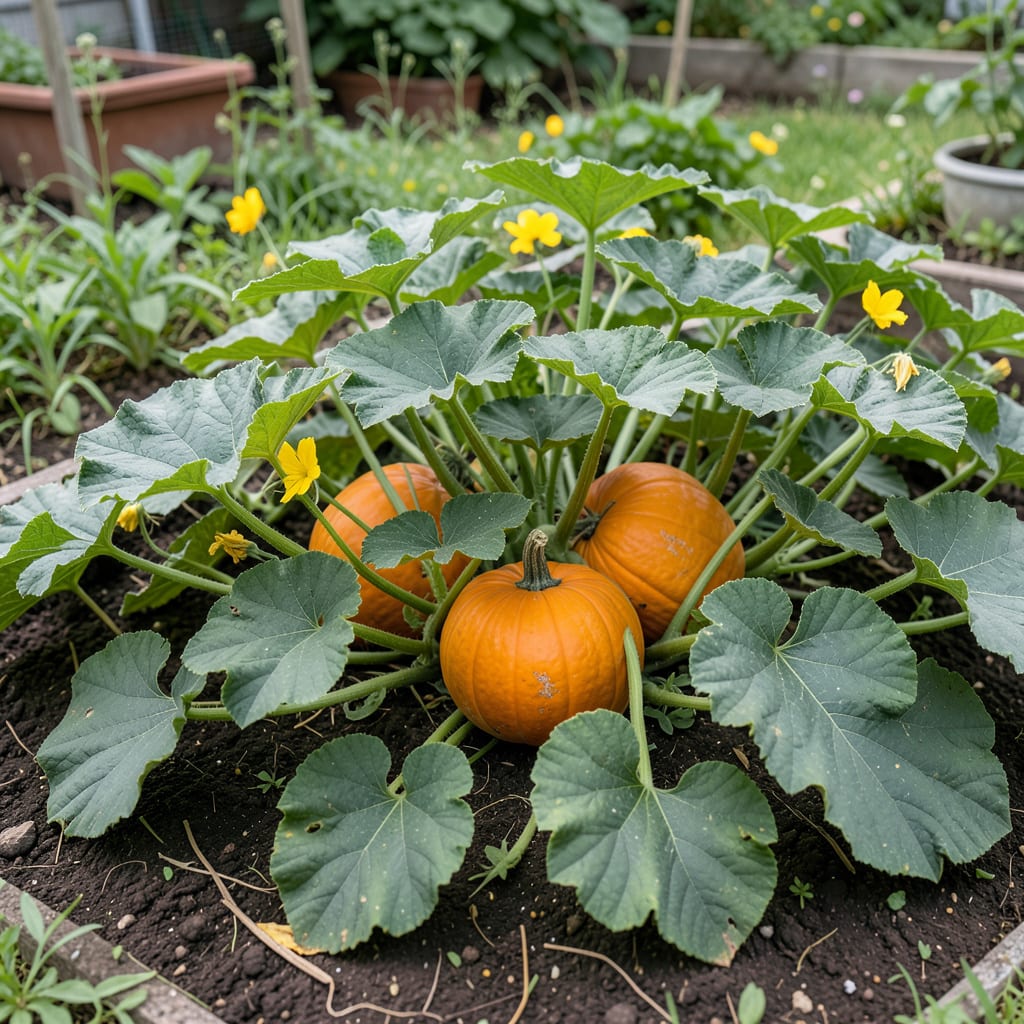
As I watch my pumpkin 🎃 plants spread across the garden, I’m always amazed at how quickly they grow. In USDA Zone 6, these vigorous vines can reach 8-10 feet tall, transforming a small patch into a sprawling production.
Understanding how tall pumpkin plants can grow helps you plan your garden space and maximize your harvest. Let’s explore the factors that influence their height and how to support their growth for a bountiful pumpkin patch.

Pumpkin plants are known for their vigorous growth and sprawling vines. In ideal conditions, these plants can spread quite extensively, making them a great choice for gardeners with ample space.
The height and spread of pumpkin plants depend on various factors, including the specific variety, growing conditions, and care practices. Generally, pumpkin vines can grow quite long, often reaching lengths of 8-10 feet or more.
Pumpkin plants exhibit a vining growth habit, meaning they spread out along the ground or climb up supports. This growth pattern allows them to cover a significant amount of ground as they search for nutrients and sunlight.
The variety of pumpkin plays a significant role in determining the plant’s growth habits. Some pumpkin varieties are bred to be more compact, while others are known for their vigorous spreading.
Soil quality is another critical factor that includes factors like nutrient content, drainage, and pH levels. Well-draining, nutrient-rich soil can support healthier and more vigorous plant growth.
Pumpkin plants require full sun to thrive, needing at least 6 hours of direct sunlight daily. Adequate sunlight promotes healthy growth and fruit production.
As the plants grow, they develop long vines that can spread across the ground or climb trellises and other supports. Proper care and management can help maximize their growth potential and yield.
I find that providing adequate spacing between pumpkin plants is crucial. This allows the vines to spread out without becoming too entangled or competing for resources.
Regular watering and fertilization also contribute to the healthy growth of pumpkin plants. Ensuring they receive consistent moisture and necessary nutrients supports their development and productivity.
In my experience, understanding the growth habits of pumpkin plants helps in planning and managing the garden effectively. By recognizing the potential size and spread of these plants, gardeners can make informed decisions about spacing and support.
Overall, pumpkin plants can grow quite tall and spread extensively, making them a rewarding addition to gardens with sufficient space. With proper care and attention, they can produce a bountiful harvest of delicious pumpkins 🎃.
Pumpkin plants require specific conditions to grow to their full potential. The height and spread of these plants are influenced by several key factors that gardeners should consider when planning their garden.
Soil quality plays a crucial role in determining pumpkin plant growth. The soil should be well-draining and rich in organic matter to support healthy root development and nutrient uptake. A balanced fertilizer can also provide essential nutrients for vigorous growth.
Soil quality, sunlight, watering, and variety selection are critical for optimal pumpkin plant growth.
Sunlight is another essential factor, as pumpkin plants require full sun to thrive. They need at least 6 hours of direct sunlight daily to promote healthy growth and fruit production.
Watering practices also impact pumpkin plant growth. Consistent moisture, especially during fruit set, is crucial. Gardeners should aim to provide about 1 inch of water per week, either through rainfall or irrigation.
The variety of pumpkin being grown can significantly affect its growth habits. Some varieties are naturally more compact, while others are known for their vigorous spreading. Choosing the right variety for your garden space is essential.
Support structures can also influence the height and spread of pumpkin plants. Providing trellises or other supports can help manage space and encourage vertical growth.
In my experience, understanding these factors helps gardeners create optimal conditions for their pumpkin plants. By focusing on soil quality, sunlight, watering, and variety selection, you can promote healthy growth and maximize your harvest.
By considering these factors and providing the right conditions, gardeners can enjoy a bountiful harvest of delicious pumpkins. Proper care and attention to these details can make a significant difference in the overall health and productivity of the plants 🌼.
To maximize yield, pumpkin plants require careful management of their vigorous growth. Proper training and support of the vines can significantly impact the overall health and productivity of the plants.
Train vines to climb trellises or other supports to manage space and promote healthy growth.
One effective method is to train the vines to climb up trellises or other support structures. This not only saves space but also helps in keeping the fruit off the ground, reducing the risk of rot and other diseases.
Pruning is another important aspect of managing pumpkin plant growth. By selectively removing certain vines or leaves, you can direct the plant’s energy towards fruit production and improve air circulation, which helps prevent disease.
For gardeners with limited space, compact or bush varieties of pumpkins can be a good option. These varieties are bred to be more compact and produce fewer, but still substantial, fruits.
Regular monitoring of the plants is essential to ensure they remain healthy and productive. This includes checking for pests, diseases, and nutrient deficiencies, and taking corrective action as needed.
By implementing these strategies, gardeners can effectively manage the growth of their pumpkin plants and enjoy a bountiful harvest. Proper care and attention to the plants’ needs can make a significant difference in their overall health and productivity 🌼.
In my experience, the key to successful pumpkin cultivation lies in understanding and managing their growth habits. With the right techniques and a bit of patience, you can enjoy a rewarding harvest of delicious pumpkins 🎃.
Pumpkin plants can grow quite tall, typically reaching heights of 3-10 feet depending on the variety and growing conditions. Some vigorous varieties can even spread more extensively. Proper support can help manage their growth.
Several factors affect pumpkin plant height, including soil quality, sunlight, watering practices, and the specific variety of pumpkin. Well-draining soil and full sun promote healthy growth. Proper care can maximize their height and productivity.
Yes, you can manage pumpkin plant growth through techniques like pruning and training vines to climb trellises or other supports. This not only saves space but also helps keep the fruit off the ground, reducing disease risk. Regular monitoring is essential.
Yes, there are compact or bush varieties of pumpkins that are bred to be more compact and produce fewer but still substantial fruits. These are ideal for gardeners with limited space. They require less room to spread out.
