
Beautiful Plants For Your Interior
Beautiful Plants For Your Interior
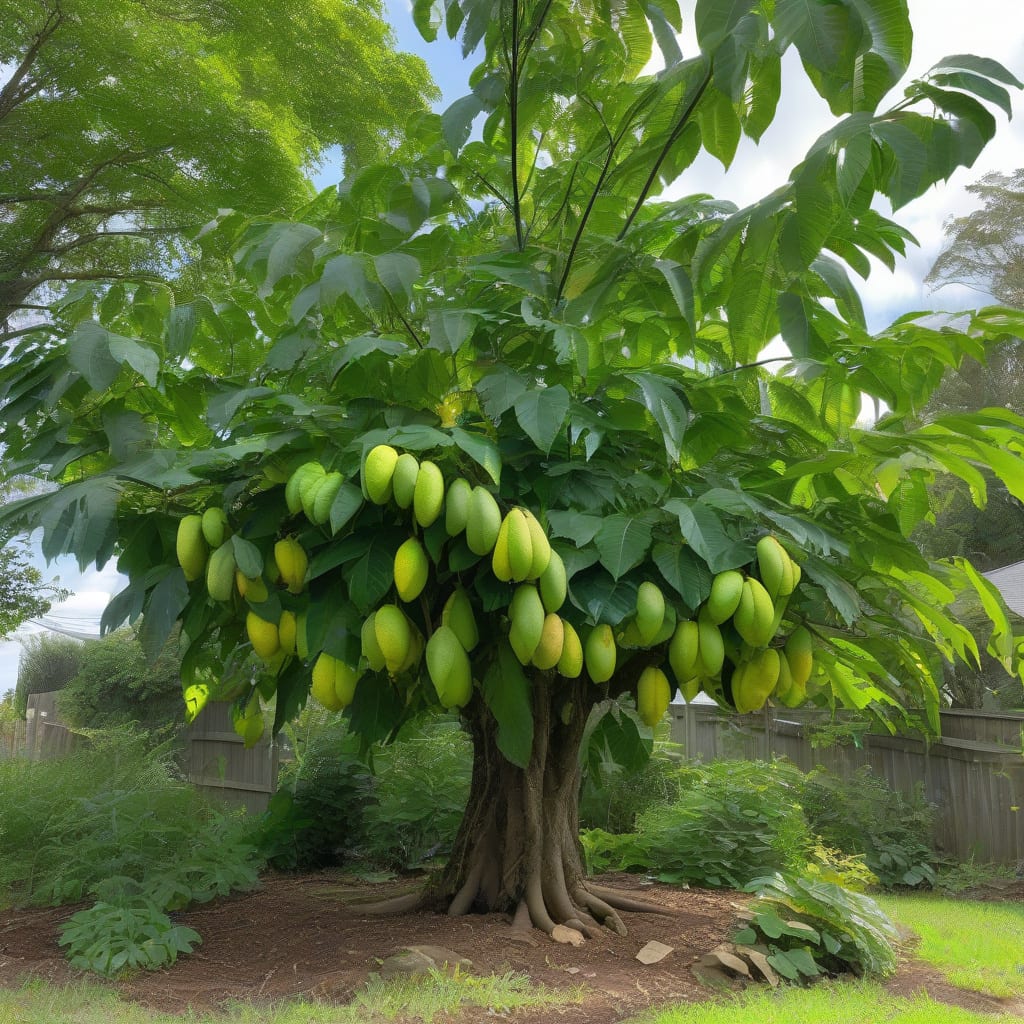
I’ve always been fascinated by the Pawpaw Tree 🌳, native to North America, and its unique growth habits. Understanding how tall these trees can grow is essential for garden planning and ensuring they thrive in your landscape.
Pawpaw trees can reach heights of 15 to 40 feet, making them a considerable addition to any garden. Factors like soil quality and climate conditions play a significant role in determining their maximum height potential.


I’ve found that several key factors influence how tall pawpaw trees can grow. Soil quality is one of the most critical elements, as pawpaw trees thrive in rich, well-draining soil with a pH between 5.5 and 7.0. The presence of organic matter and nutrients significantly impacts their growth potential 🌱.
Climate conditions also play a vital role in determining the height of pawpaw trees. They prefer a temperate climate with warm summers and cold winters, typically thriving in USDA zones 5-8. Adequate moisture, especially during the growing season, is essential for optimal growth.
Nutrient availability is another factor that affects pawpaw tree height. Regular fertilization with a balanced fertilizer can promote healthy growth. Pruning practices also influence the tree’s height and overall shape, allowing for control over its maximum height 🌿.
Understanding these factors is crucial for gardeners who want to optimize the growth of their pawpaw trees. By providing the right conditions and care, you can help your trees reach their full height potential.
Proper care includes regular watering, especially during dry spells, and mulching around the base to retain moisture and suppress weeds. Pruning is also essential to maintain the tree’s shape and encourage fruiting.
Pawpaw trees are relatively low-maintenance, making them an excellent choice for home gardens. Their height can be managed through careful pruning and training.
The ideal growing conditions for pawpaw trees include well-draining soil and partial shade to full sun. They are adaptable to various soil types but perform best in rich, organic soils.
Climate considerations are also important. Pawpaw trees are sensitive to extreme temperatures and require a certain number of chill hours to produce fruit.
In summary, the height of pawpaw trees is influenced by a combination of factors including soil quality, climate conditions, watering, nutrient availability, and pruning practices. By understanding and managing these factors, gardeners can optimize the growth and health of their pawpaw trees 🌳.
With the right care and conditions, pawpaw trees can thrive and reach their maximum height potential, providing delicious fruit and a beautiful addition to any garden.
Pawpaw trees are known for their impressive height potential, typically growing between 15 to 40 feet tall. This height range makes them a substantial presence in any garden or landscape 🌳.
The maximum height of pawpaw trees is influenced by various factors, including soil quality, climate conditions, and proper care. Understanding these factors is crucial for gardeners who want to optimize the growth of their pawpaw trees.
Pawpaw trees can grow between 15 to 40 feet tall, with proper care and ideal conditions allowing them to reach their maximum height potential.
In ideal growing conditions, pawpaw trees can reach their maximum height potential. Rich, well-draining soil and adequate moisture are essential for optimal growth. Regular fertilization with a balanced fertilizer can also promote healthy growth.
Pawpaw trees are often compared to other fruit trees in terms of their height. They are generally taller than dwarf fruit trees but shorter than many standard fruit trees. This makes them an excellent choice for gardeners who want a tree that is not too large but still provides a substantial yield 🌟.
The growth rate of pawpaw trees is another important consideration. They typically grow at a moderate rate, with young trees growing around 1-2 feet per year. As they mature, their growth rate slows down.
Pruning practices also play a significant role in managing the height of pawpaw trees. Regular pruning can help control their height and promote a more balanced structure.
By understanding the factors that influence the height of pawpaw trees and providing the right care, gardeners can help their trees reach their full potential and enjoy a bountiful harvest 🌼.
In summary, pawpaw trees have a significant height potential, and with proper care and ideal conditions, they can thrive and provide a beautiful addition to any garden.
I always consider pruning techniques crucial for managing pawpaw tree height. Proper pruning helps control the tree’s height while promoting better fruit production 🌳.
Pruning tips include removing dead or damaged branches, thinning out the center to allow more sunlight penetration, and shaping the tree to maintain a balanced structure. This not only helps in managing the height but also enhances the overall health of the tree.
Prune your pawpaw tree annually to maintain its shape and encourage fruiting. Focus on removing weak growth and crossing branches.
The height of pawpaw trees significantly affects their fruit yield and quality. Taller trees may require additional support to prevent branch breakage under the weight of fruit. Proper height management ensures that the tree remains healthy and productive.
Growth management tips include regular monitoring of the tree’s height and structure. By adjusting pruning techniques and providing necessary support, gardeners can optimize fruit production and maintain a manageable tree size 🌟.
In summary, managing pawpaw tree height is essential for optimal fruit production. By employing proper pruning techniques and growth management strategies, gardeners can enjoy a bountiful harvest while maintaining a healthy and well-structured tree 🌼.
