
Beautiful Plants For Your Interior
Beautiful Plants For Your Interior
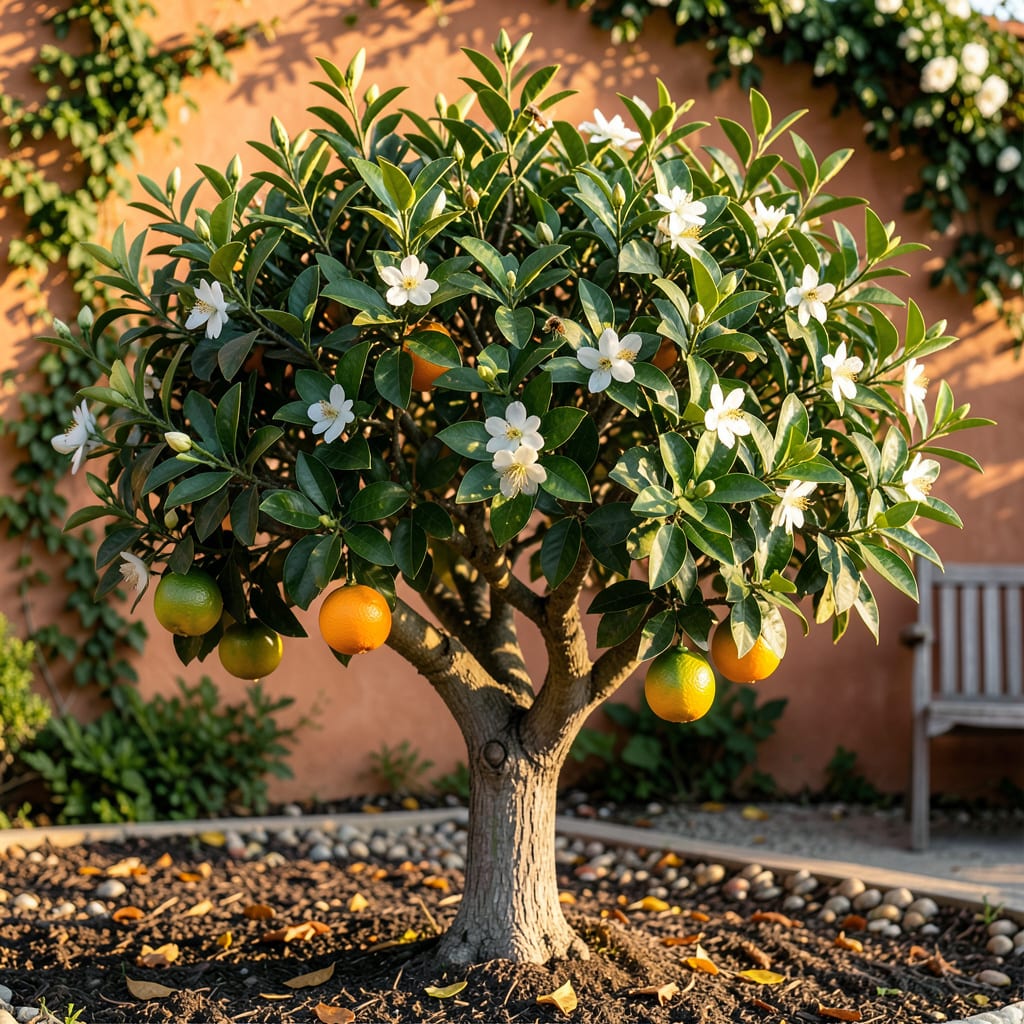
Standard orange trees typically grow 20 to 30 feet tall, while dwarf varieties reach 8 to 12 feet. Height depends on the variety, rootstock, climate, and pruning practices.
When I first planted my orange trees, I was amazed by how much their growth potential varies. 🌱 The full-sized varieties can tower over a two-story house if left unpruned, while the compact dwarf types fit perfectly in backyard containers. What really surprised me was discovering that the rootstock used for grafting plays a huge role—some combinations can stunt growth by 50% or more. Even in the same climate, you might see dramatic differences between a Valencia and a Navel tree.
I’ve also noticed that consistent pruning doesn’t just control height—it actually stimulates healthier fruit production. ✨ The key is understanding your specific variety’s growth pattern and adjusting care accordingly. For example, some citrus enthusiasts train their trees into espalier forms along fences, creating living walls that maximize space while keeping the trees at manageable heights.
💡 In This Article
The genetics of an orange tree play the biggest role in determining its final height. Standard varieties like Valencia or Washington Navel grow on their own roots can reach 25-30 feet, while dwarf varieties are typically grafted onto rootstocks like Flying Dragon or Trifoliate that naturally limit growth to 8-12 feet.
This grafting process isn’t just about size control—it also improves disease resistance and cold tolerance. 🌱
Climate dramatically affects growth rates and maximum heights. In tropical zones like Florida or Southern California, orange trees grow nearly year-round, adding 12-24 inches annually until maturity. Compare this to cooler regions where growth slows to 6-12 inches per year, and trees may never reach their full potential height.
The USDA hardiness zones 9-11 provide ideal conditions, while zone 8b trees often stay 20-30% smaller due to winter stress. ☀️
Soil quality and water availability create surprising height differences. Trees in rich, well-draining loam with consistent moisture can grow 30% taller than those in compacted clay or sandy soils. I’ve seen identical Valencia trees—one in amended garden soil reaching 22 feet, while another in poor native soil stalled at 15 feet.
Regular deep watering (about 1-2 inches per week) encourages root development that directly supports upward growth. 💧
The pruning approach makes a visible difference in mature height. Unpruned trees develop long, leggy branches that stretch toward sunlight, often adding unnecessary height. Strategic heading cuts (removing 1/3 of new growth annually) create a bushier, more compact form without sacrificing fruit production.
Commercial growers often use mechanical toppers to maintain orchards at 12-15 feet for easier harvesting. ✂️
Even within the same variety, age at planting affects final height. A 5-gallon nursery tree will reach maturity about 3 years faster than a 1-gallon sapling, gaining a permanent height advantage.
Container-grown trees develop differently too—their root restriction typically limits them to about 60% of their genetic potential, making them ideal for patios and small spaces. 🏡
Nutrient availability creates measurable differences in growth rates. Trees receiving balanced citrus fertilizer (with 6-6-6 NPK ratio) consistently outperform unfertilized trees by 20-40% in height. I track this in my own orchard—fertilized trees add about 18 inches annually versus 10 inches for unfertilized ones.
Micronutrients like zinc and iron are particularly important for supporting the cellular division needed for vertical growth. 🍊
Light exposure patterns influence height development. Trees receiving full sun (6+ hours daily) grow more uniformly, while those in partial shade often stretch upward seeking light, creating taller but less sturdy forms. I’ve observed shade-grown trees develop longer internodes (the spaces between leaves) which contributes to their increased height but reduces overall fruit quality. ☀️
Pest and disease pressure can indirectly affect height. Trees constantly battling citrus greening disease or root weevils divert energy from growth to survival, often resulting in 30-50% height reduction over time. Healthy trees with proper preventive care maintain their genetic growth potential much more consistently.
Regular scouting and early intervention make a visible difference in long-term height development. 🛡️
The training method used during early years creates permanent height differences. Trees staked vertically grow taller single trunks, while those allowed to bush out naturally develop lower, wider canopies. Some growers use weighted branches to encourage horizontal growth, resulting in trees that are 20% shorter but with 40% more fruiting wood.
This technique is particularly useful for backyard growers with limited vertical space. 🌿
Standard varieties typically reach their mature height of 20-30 feet in about 10-15 years. Dwarf types grow faster, hitting their 8-12 foot maximum in 5-8 years. Growth rates vary by climate—tropical zones see faster development than cooler regions.
Regular pruning can maintain trees at 50-70% of their natural height. Container growing naturally limits size too—dwarf varieties in pots often stay under 6 feet. Use rootstocks like Flying Dragon for built-in size control.
Several factors could be at play: insufficient pruning, ideal growing conditions (rich soil, ample water), or a rootstock that wasn’t size-limiting. Some varieties like Valencia naturally grow more vigorously than others. Check your tree’s specific variety characteristics.
Standard trees need 15-20 feet diameter space, while dwarfs require 8-10 feet. For containers, choose pots at least 24 inches wide/deep. Proper spacing prevents disease and ensures healthy growth.
Yes! Washington Navel trees often reach 25-30 feet, while Clementine trees stay smaller at 10-15 feet. Blood oranges typically grow 15-20 feet. Always research your specific variety’s mature size before planting.
