
Beautiful Plants For Your Interior
Beautiful Plants For Your Interior
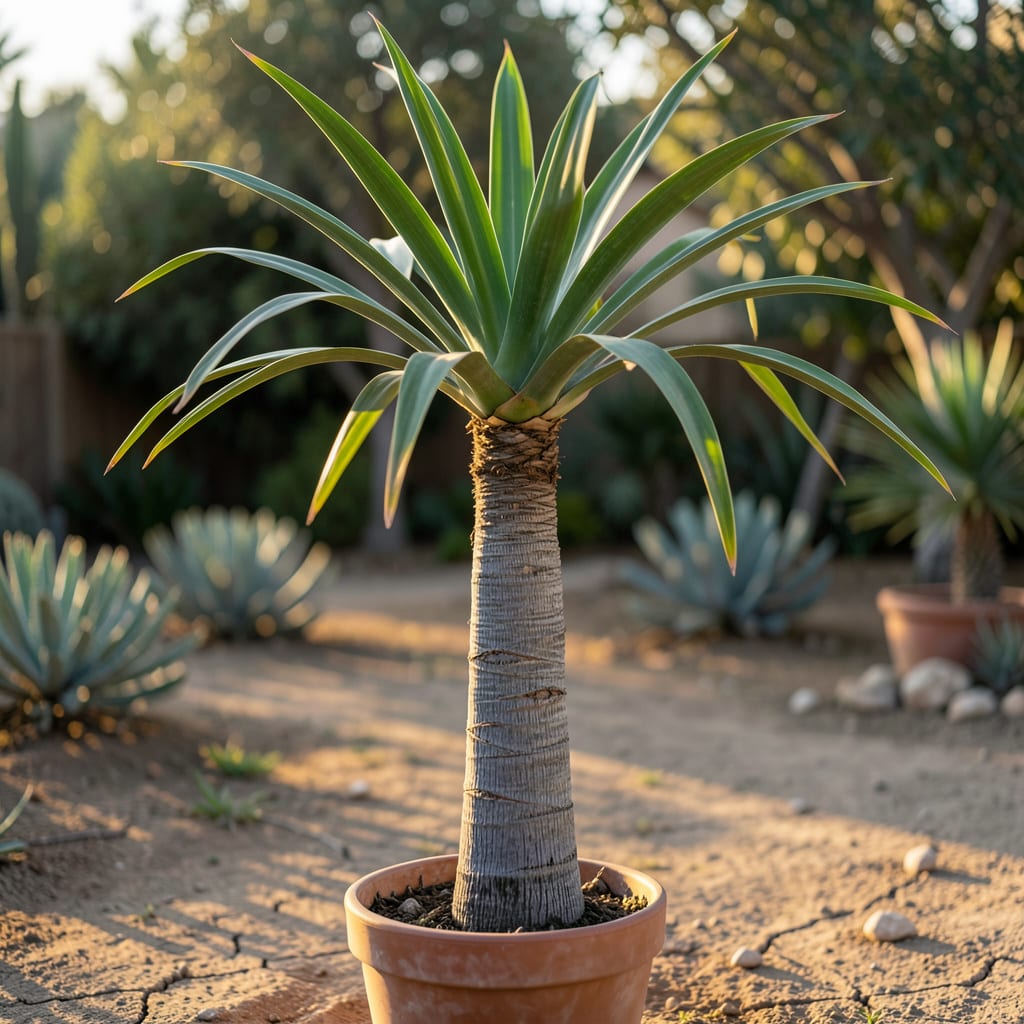
I’ve always been fascinated by the Madagascar Palm 🌴, a striking succulent that can grow impressively tall. If you’re wondering how tall these plants can get, you’re not alone – many gardeners want to know what to expect.
The Madagascar Palm can reach heights of 20-30 feet, making it a significant presence in any landscape in USDA Zone 6. Let’s explore what influences their growth and how you can support your palm’s development.


I’ve always been fascinated by the impressive growth potential of Madagascar Palms. These striking succulents can reach heights that make them a significant presence in any landscape. Understanding their maximum height helps gardeners plan their space effectively 🌴.
The Madagascar Palm is known for its ability to grow quite tall, with mature plants typically reaching between 20-30 feet in ideal conditions. This height range makes them a substantial addition to gardens in USDA Zone 6 and similar climates.
The growth rate of Madagascar Palms is considered moderate, with young plants establishing themselves quickly. In their first year, these palms can grow up to 3 feet, and continue to grow steadily thereafter. Factors such as light exposure, watering practices, and soil quality all play crucial roles in determining the ultimate height of these plants.
While 20-30 feet is the typical height range for Madagascar Palms, some specimens have been known to grow even taller under optimal conditions. Gardeners should be prepared to provide support for taller plants or consider pruning strategies to manage their size.
Understanding the growth habits of Madagascar Palms is essential for gardeners who want to make the most of these plants’ impressive potential. By providing the right conditions and care, you can help your palm reach its full height while maintaining a healthy and balanced growth pattern.
Key factors that influence the height of Madagascar Palms include the amount of sunlight they receive, the quality of their soil, and their watering schedule. Ensuring that your palm gets the right balance of these elements is crucial for supporting its growth.
Gardeners should also be aware that Madagascar Palms can be sensitive to environmental conditions. Protecting your plant from extreme temperatures and ensuring it has enough space to grow are important considerations for achieving maximum height.
In summary, Madagascar Palms are capable of reaching significant heights when given the right care. By understanding their growth habits and providing optimal conditions, gardeners can help these plants thrive and reach their full potential 🌿.
For gardeners in USDA Zone 6, it’s important to note that Madagascar Palms may require additional care to survive colder temperatures. Mulching and protecting the base of the plant can help it survive through the winter months.
Overall, the Madagascar Palm is a rewarding plant to grow, offering both striking appearance and impressive growth potential. With proper care and attention, these palms can become a standout feature in any garden.
I’ve found that several factors can significantly impact the height growth of Madagascar Palms. Understanding these elements is crucial for gardeners who want to support their palm’s development and maximize its growth potential 🌴.
Light exposure is one of the most critical factors affecting the height of Madagascar Palms. These plants thrive in full sun conditions, requiring at least 6 hours of direct sunlight daily. Insufficient light can lead to leggy growth and reduced overall height.
The quality of the soil is another vital factor. Madagascar Palms prefer well-draining soil that prevents water from accumulating around the roots. This type of soil helps prevent root rot and ensures that the plant can absorb nutrients effectively.
Watering practices also play a significant role in determining the height of Madagascar Palms. These plants require consistent moisture, especially during their growing season. However, overwatering can be detrimental, leading to root rot and stunted growth.
Temperature is another environmental factor that can impact the growth of Madagascar Palms. While these plants are relatively adaptable, they thrive in warm temperatures typical of USDA Zone 6 and similar climates. Protecting your palm from extreme temperatures is essential for supporting its growth.
Fertilization can also influence the height growth of Madagascar Palms. Using a balanced fertilizer during the growing season can provide the necessary nutrients for healthy growth. However, it’s essential to avoid over-fertilizing, as this can cause more harm than good.
In summary, several factors contribute to the height growth of Madagascar Palms. By understanding and managing these elements, gardeners can create optimal conditions for their palms to thrive and reach their full potential 🌿.
For gardeners in USDA Zone 6, being mindful of the specific needs of Madagascar Palms is crucial. By providing the right balance of light, soil quality, watering, and temperature, you can support your palm’s growth and enjoy its impressive height.
Overall, the Madagascar Palm is a rewarding plant to grow, offering both striking appearance and impressive growth potential. With proper care and attention, these palms can become a standout feature in any garden.
I’ve found that pruning and training are essential techniques for managing the height of Madagascar Palms. By understanding how to prune effectively, gardeners can control the size of their palms and maintain a desired height 🌴.
Pruning Madagascar Palms requires careful consideration to avoid damaging the plant. The primary goal is to remove any dead or damaged leaves, which not only improves the plant’s appearance but also promotes healthy growth. When pruning, it’s crucial to use clean, sharp tools to make precise cuts and minimize the risk of infection.
Remove dead or damaged leaves to promote healthy growth and maintain desired height.
One effective method for controlling the height of Madagascar Palms is to prune the top growth. By removing the upper leaves, you can encourage the plant to grow more outward than upward, resulting in a more compact shape. However, this technique should be used judiciously, as excessive pruning can stress the plant.
In addition to pruning, training your Madagascar Palm can help achieve the desired height. This involves guiding the plant’s growth through strategic placement and support. For example, providing a stake for the palm can help it grow straighter and taller.
Key factors to consider when pruning and training Madagascar Palms include the plant’s overall health, its growth rate, and the desired height. By carefully managing these elements, gardeners can create a balanced and visually appealing landscape.
For gardeners in USDA Zone 6, it’s essential to be mindful of the specific needs of Madagascar Palms when pruning and training. By understanding the plant’s growth habits and responding accordingly, you can help your palm thrive and reach its full potential 🌿.
Overall, pruning and training are valuable techniques for managing the height of Madagascar Palms. With careful attention and proper care, these plants can become a striking feature in any garden.
Madagascar Palms have a moderate growth rate, typically growing 3 feet in their first year and continuing steadily thereafter. Factors like light exposure, watering practices, and soil quality influence their growth. Proper care can support healthy development.
Yes, pruning can help control the height of your Madagascar Palm. Removing dead or damaged leaves and pruning top growth can encourage a more compact shape. Use clean, sharp tools to avoid damaging the plant. Prune judiciously to avoid stressing the plant.
Madagascar Palms require full sun to grow tall, needing at least 6 hours of direct sunlight daily. Insufficient light can lead to leggy growth and reduced height. Ensure your palm gets enough sunlight for optimal growth.
Yes, Madagascar Palms can grow unevenly if not provided with optimal conditions. Factors like light exposure and watering practices can affect their growth pattern. Rotate the plant regularly to promote even growth and consider adjusting care routines as needed.
