
Beautiful Plants For Your Interior
Beautiful Plants For Your Interior
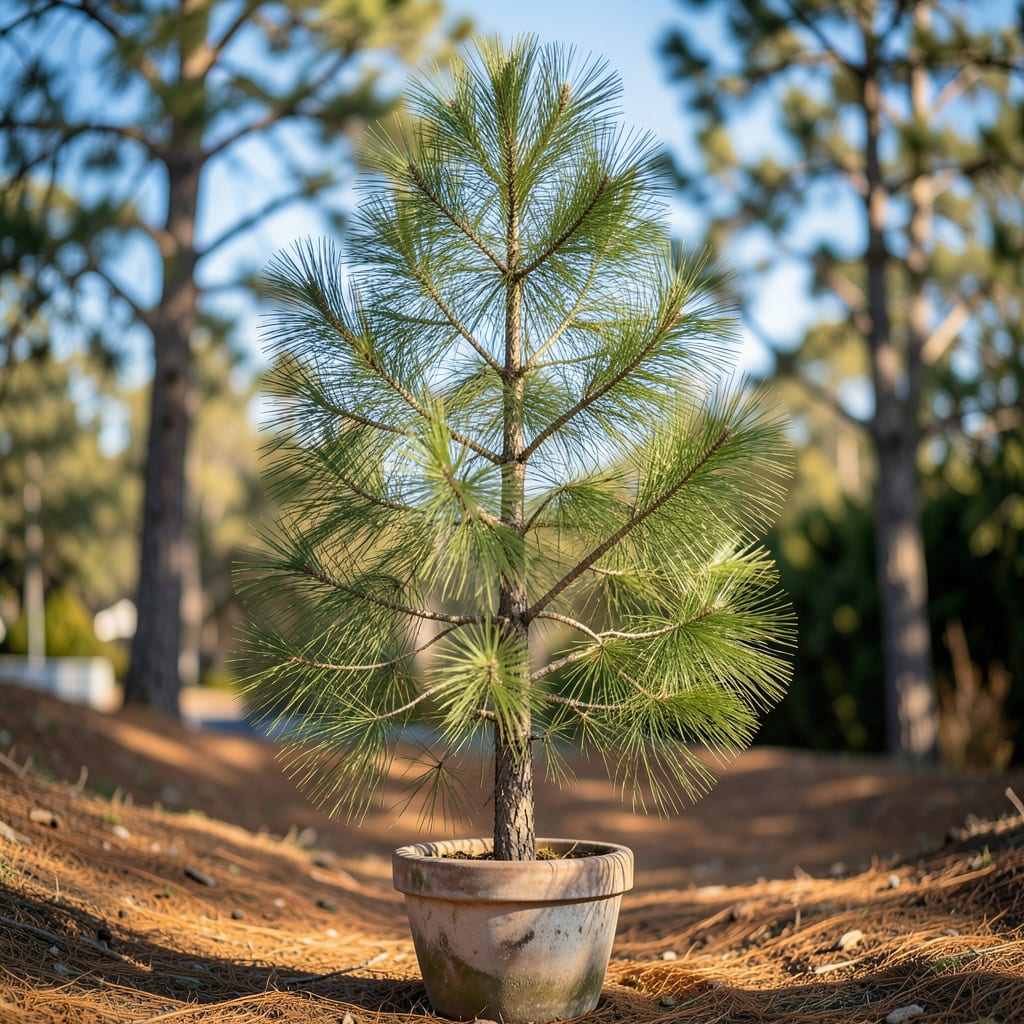
As I stand among the towering 🌲 Lodgepole Pines, I’m struck by their impressive height and slender profiles. These trees can grow to be quite tall, making them a popular choice for landscaping and reforestation projects in zones like 6a.
But just how tall can they get? Let’s explore the factors that influence their growth and maximum height potential, helping you understand what to expect from these magnificent trees in your own landscape.


Lodgepole pines are known for their impressive height and slender profiles, making them a popular choice for landscaping and reforestation projects. Their height can vary significantly based on environmental conditions and genetic factors 🌲.
The maximum height potential of lodgepole pines is influenced by several factors, including soil quality, climate conditions, and genetic variations. Understanding these factors is crucial for managing expectations about how tall these trees can grow 🌳.
Lodgepole pines are considered tall trees, with their height ranging between 40 to 80 feet at maturity. The average mature height is around 60 feet, making them significantly taller than a typical 5-story house 🌆.
The growth rate of lodgepole pines is moderate, with young trees growing approximately 3 feet in the first year, 6 feet in the second year, and 12 feet in the third year. This rapid early growth contributes to their ability to reach significant heights over time 📈.
Several factors can influence the height of lodgepole pines, including soil quality, climate conditions, and genetic variations. Understanding these factors is essential for managing expectations about how tall these trees can grow 🌟.
Soil quality plays a crucial role in determining the height potential of lodgepole pines. Trees growing in well-drained soils with adequate nutrient availability tend to grow taller than those in poor soil conditions 🌱.
Climate conditions, including temperature and moisture levels, also impact the growth height of lodgepole pines. Trees growing in areas with favorable climate conditions tend to reach greater heights than those in less favorable environments ⛅️.
Genetic variations among lodgepole pine populations can also affect their height potential. Some populations may be naturally more inclined to grow taller than others due to their genetic makeup 🔬.
Overall, lodgepole pines are known for their impressive height and can grow to be quite tall in the right conditions. Understanding the factors that influence their growth is key to managing their height effectively 🌲.
By considering factors such as soil quality, climate conditions, and genetic variations, you can better understand the maximum height potential of lodgepole pines and make informed decisions about their care and management 🌟.
The height of lodgepole pines is influenced by multiple factors that interact in complex ways. Understanding these factors is crucial for managing expectations about how tall these trees can grow in different environments 🌳.
Several key elements play a significant role in determining the growth height of lodgepole pines. These include soil quality, climate conditions, and competition among trees 🌱.
Soil quality is particularly important as it directly affects nutrient availability and water drainage. Lodgepole pines growing in poor soil conditions may not reach their full height potential due to limited resources 🌿.
Climate conditions, including temperature and moisture levels, also significantly impact the growth height of lodgepole pines. Trees growing in areas with favorable climate conditions tend to grow taller and healthier ⛅️.
Competition among trees is another critical factor. In densely forested areas, lodgepole pines may grow taller as they compete for light and resources. This competition can drive trees to reach greater heights in search of sunlight 🌲.
By understanding these factors, you can better manage lodgepole pines in your landscape or forest. Adjusting conditions such as soil quality and managing competition can help maximize the height potential of these trees 🌟.
Effective management of lodgepole pine height involves considering all these factors together. By optimizing soil quality, climate conditions, and managing competition, you can promote healthy growth and maximize the height of your lodgepole pines 🌳.
Regular monitoring and appropriate management practices will help ensure that your lodgepole pines reach their full height potential while maintaining overall health and vigor 🌲.
I find that managing the height of lodgepole pines is crucial for landscaping purposes, as it allows you to maintain a desired aesthetic and ensure the trees don’t outgrow their surroundings 🌳.
To effectively manage lodgepole pine height, it’s essential to understand the factors that influence their growth, such as soil quality, climate conditions, and competition among trees 🌱.
Regular pruning can help control the height of lodgepole pines, promoting a more balanced and visually appealing shape.
Pruning is a valuable technique for managing lodgepole pine height. By removing select branches, you can control the tree’s vertical growth and maintain a desired shape 🌲.
In addition to pruning, adjusting soil quality and managing competition among trees can also help maximize the height potential of lodgepole pines. This can be achieved by ensuring well-drained soils with adequate nutrient availability and spacing trees appropriately 🌟.
It’s also important to consider the overall health and vigor of the trees when managing their height. By optimizing growing conditions and providing proper care, you can promote healthy growth and maximize the height of your lodgepole pines 🌳.
By implementing these strategies, you can effectively manage the height of your lodgepole pines and achieve your landscaping goals 🌲.
Regular monitoring and maintenance are key to ensuring that your lodgepole pines remain healthy and thrive in their environment 🌟.
Lodgepole pines typically reach an average mature height of 60 feet. This makes them significantly taller than a typical 5-story house. Their height can vary based on factors like soil quality and climate conditions .
Lodgepole pines have a moderate growth rate. Young trees can grow approximately 3 feet in the first year, 6 feet in the second year, and 12 feet in the third year. This rapid early growth contributes to their ability to reach significant heights over time .
Yes, regular pruning can help control the height of lodgepole pines. By removing select branches, you can manage the tree’s vertical growth and maintain a desired shape. This is particularly useful for landscaping purposes where height control is important .
The height potential of lodgepole pines is influenced by several key factors: soil quality, climate conditions, and competition among trees. Well-drained soils, favorable temperatures, and reduced competition can all contribute to taller growth .
