
Beautiful Plants For Your Interior
Beautiful Plants For Your Interior
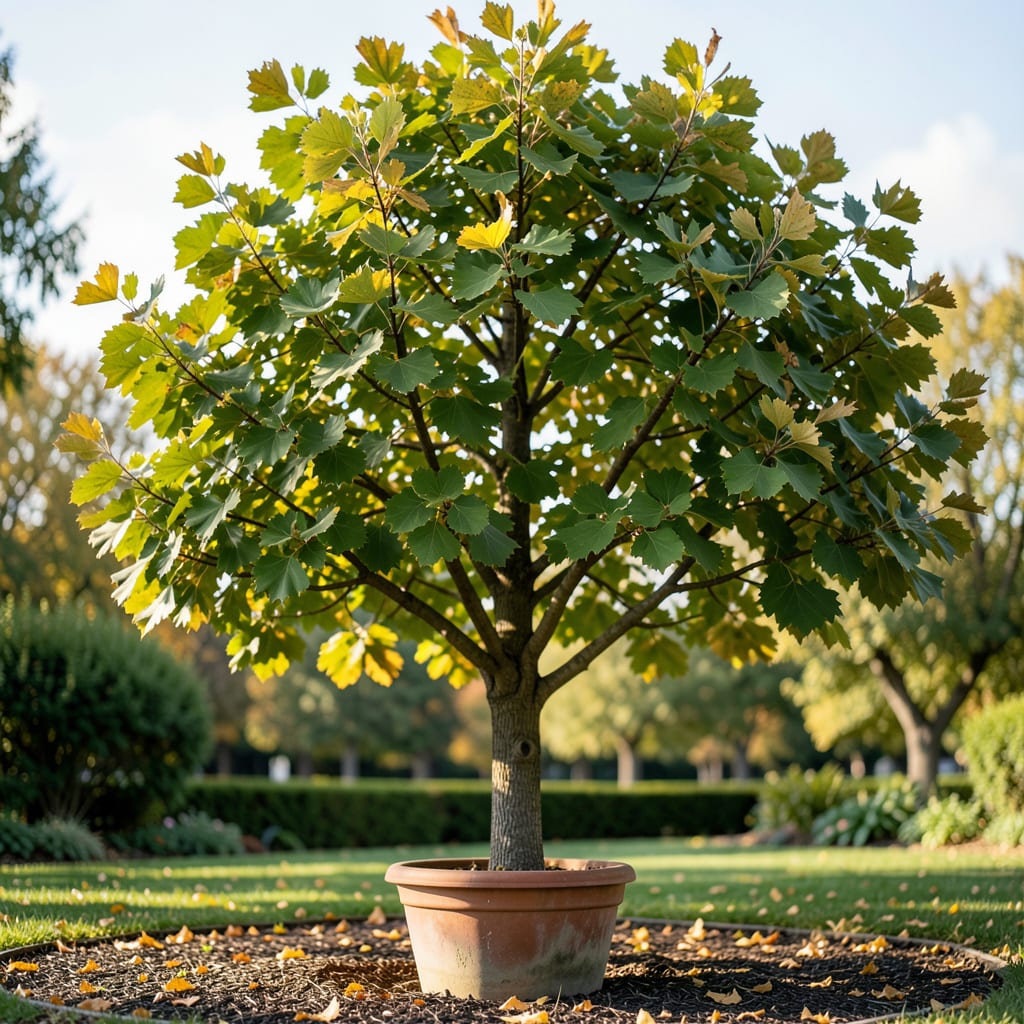
I’ve always been fascinated by the majestic Ginkgo Tree 🌳, known for its remarkable longevity and impressive growth potential. These trees can thrive for centuries, making them a stunning addition to any landscape.
Understanding how tall Ginkgo Trees can grow is crucial for gardeners and landscapers in USDA Zone 6. Let’s explore the factors that influence their height and how to care for them to promote healthy growth.


Ginkgo trees are known for their impressive growth potential, with mature trees reaching heights of 50 to 80 feet. The average height of a mature Ginkgo Tree is around 70 feet, making them a significant presence in any landscape 🌳.
The height potential of Ginkgo Trees is influenced by various factors, including genetics, environmental conditions, and proper care. Understanding these factors is crucial for gardeners and landscapers looking to cultivate these magnificent trees.
The moderate growth rate of Ginkgo Trees means they can take several decades to reach their full height. Factors such as soil quality, sunlight exposure, and watering practices all play a role in determining the ultimate height of these trees. Proper care and maintenance are essential to ensure Ginkgo Trees reach their maximum height potential 🌿.
Ginkgo Trees are known for their resilience and ability to thrive in various conditions. They are often used as ornamental trees in urban landscapes due to their striking foliage and ability to tolerate pollution. Understanding the growth habits of Ginkgo Trees can help gardeners and landscapers make informed decisions about their use in different settings.
The height of Ginkgo Trees can vary significantly depending on the specific cultivar and growing conditions. Some Ginkgo Trees may remain relatively compact, while others can grow to impressive heights. Factors such as pruning practices and soil management can also impact the final height of these trees.
In addition to their height potential, Ginkgo Trees are also valued for their longevity and disease resistance. These characteristics make them an attractive choice for long-term landscaping projects. By understanding the factors that influence Ginkgo Tree height, gardeners and landscapers can better appreciate the unique qualities of these remarkable trees.
Overall, Ginkgo Trees are a stunning addition to any landscape, offering a unique combination of beauty, resilience, and historical significance. Their impressive height potential is just one of the many reasons why they continue to be a popular choice among gardeners and landscapers.
By providing the right conditions and care, Ginkgo Trees can thrive and reach their full height potential. This includes ensuring they receive adequate sunlight, proper watering, and regular maintenance. With the right care, Ginkgo Trees can become a lasting and impressive feature in any landscape 🌳.
In conclusion, Ginkgo Trees have the potential to grow to significant heights, making them a striking presence in any landscape. By understanding the factors that influence their height and providing proper care, gardeners and landscapers can enjoy the many benefits these trees have to offer.
Ginkgo trees are known for their impressive growth potential, but their height is influenced by various factors. Understanding these factors is crucial for gardeners and landscapers looking to cultivate these magnificent trees 🌳.
The height of Ginkgo Trees is affected by a combination of genetics, environmental conditions, and proper care. Let’s explore these factors in more detail to understand how they impact Ginkgo Tree height.
The height of Ginkgo Trees is influenced by factors such as soil quality, climate, watering practices, and maintenance strategies. Proper care and management are essential to ensure these trees reach their maximum height potential.
Soil quality plays a significant role in determining the height of Ginkgo Trees. These trees prefer well-draining soil with a pH between 6.0 and 7.0. Soil that is too dense or prone to waterlogging can limit root growth, ultimately affecting the tree’s overall height.
Climate is another critical factor that influences Ginkgo Tree height. These trees thrive in temperate climates with adequate moisture and full sun to partial shade. Extreme weather conditions, such as prolonged drought or intense winds, can stress the tree and impact its growth.
Watering practices also impact Ginkgo Tree height. Consistent moisture, especially during the early stages of growth, is crucial for establishing a strong root system. However, overwatering can be detrimental, leading to root rot and other issues 🌿.
Maintenance strategies, including pruning and fertilization, can also influence Ginkgo Tree height. Pruning can help control the tree’s shape and size, while fertilization provides essential nutrients for growth. Proper maintenance is key to ensuring Ginkgo Trees reach their full height potential.
In conclusion, the height of Ginkgo Trees is influenced by a combination of genetic, environmental, and care-related factors. By understanding and managing these factors, gardeners and landscapers can promote healthy growth and maximize the height potential of these remarkable trees 🌳.
By providing the right conditions and care, Ginkgo Trees can thrive and become a stunning feature in any landscape. Regular monitoring and maintenance are essential to ensure these trees continue to grow and flourish.
Overall, Ginkgo Trees are a valuable addition to any landscape, offering a unique combination of beauty, resilience, and historical significance. Their impressive height potential is just one of the many reasons why they continue to be a popular choice among gardeners and landscapers.
I always emphasize the importance of proper pruning and care when it comes to managing the height of Ginkgo Trees. These magnificent trees can grow quite tall, reaching heights of 50 to 80 feet, but with the right techniques, you can control their size and shape 🌳.
Pruning is a crucial aspect of Ginkgo Tree care, as it allows you to maintain the tree’s desired height and promote healthy growth. When pruning Ginkgo Trees, it’s essential to focus on removing any dead or damaged branches, as well as any branches that are growing inwards or crossing other branches.
Prune Ginkgo Trees during their dormant season to minimize stress and promote healthy growth. Remove any dead or damaged branches, and thin out the canopy to allow for better air circulation 🌿.
In addition to pruning, proper care is also vital for maintaining the health and size of Ginkgo Trees. This includes providing adequate watering, fertilization, and soil management. By ensuring your Ginkgo Tree receives the right care, you can promote healthy growth and maintain its desired height.
One of the key benefits of Ginkgo Trees is their resilience and ability to thrive in various conditions. However, factors such as soil quality, climate, and maintenance practices can still impact their growth. By understanding these factors and taking steps to mitigate any negative effects, you can help your Ginkgo Tree reach its full potential 🌟.
Regular monitoring and maintenance are essential to ensure Ginkgo Trees continue to grow and flourish. This includes inspecting the tree for any signs of disease or pests, and taking action promptly if you notice any issues. By staying on top of Ginkgo Tree care, you can enjoy the many benefits these trees have to offer.
In conclusion, managing Ginkgo Tree height through pruning and care is a delicate balance between promoting healthy growth and controlling size. By following the right techniques and providing proper care, you can enjoy the beauty and benefits of these remarkable trees for years to come 🌳.
Ginkgo Trees can grow to an average height of 70 feet when mature. This makes them a significant presence in any landscape. Proper care and maintenance are essential to ensure they reach their maximum height potential .
Ginkgo Trees have a moderate growth rate of about 1-2 feet per year. It can take several decades for them to reach their full height of 50 to 80 feet. Factors like soil quality, sunlight, and watering practices all impact their growth rate .
Yes, pruning is an effective way to manage Ginkgo Tree height. Prune during the dormant season to minimize stress and promote healthy growth. Remove dead or damaged branches and thin out the canopy for better air circulation .
Several factors influence Ginkgo Tree height, including genetics, soil quality, climate, and maintenance practices. Well-draining soil and adequate moisture also play crucial roles in determining their ultimate height .
