
Beautiful Plants For Your Interior
Beautiful Plants For Your Interior
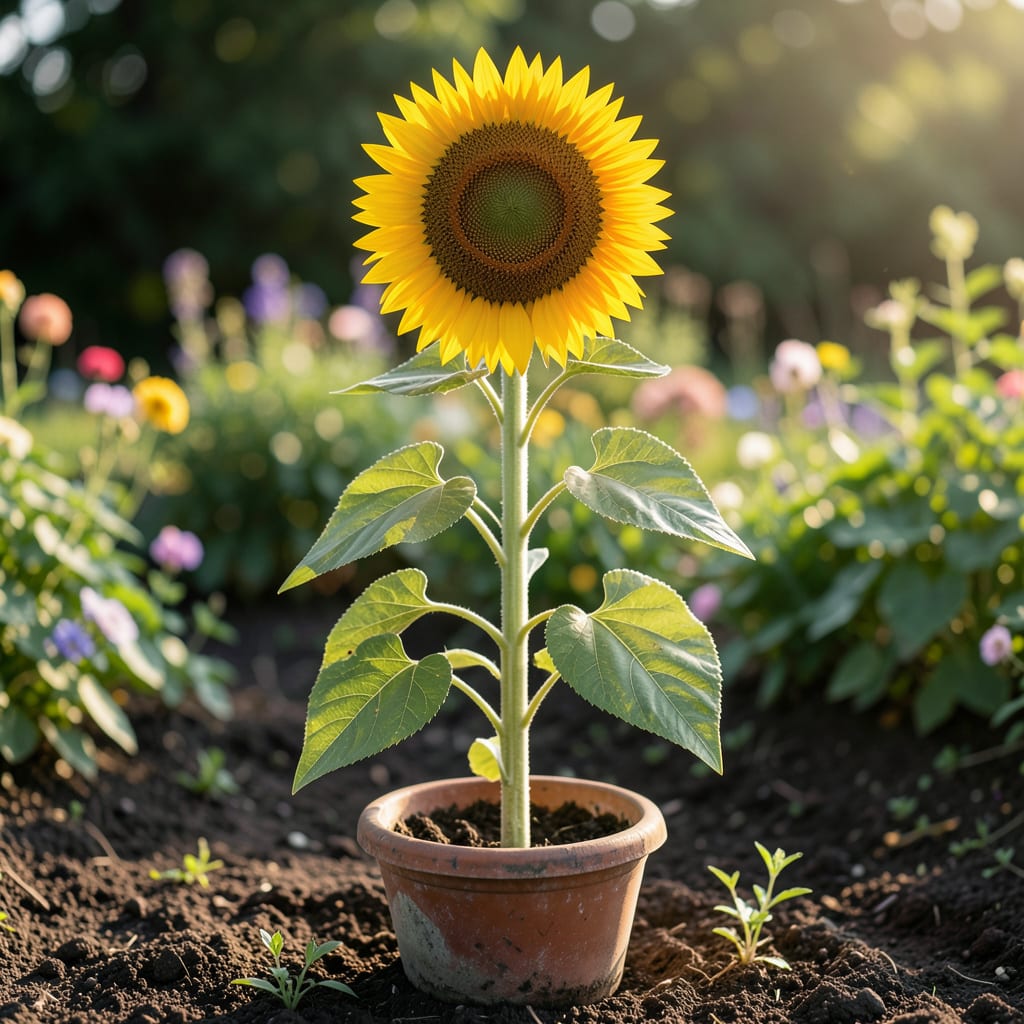
I still remember the first time I grew a Giant Sunflower 🌻 – it was a game-changer for my garden. Reaching heights of 12-20 feet, these towering beauties became the centerpiece of my outdoor space.
Understanding how tall Giant Sunflowers can grow is crucial for proper planning and support. Let’s explore what makes these plants thrive and reach their maximum potential in USDA Zone 6.

Giant sunflowers are known for their impressive height, but what makes them grow so tall? The answer lies in a combination of genetic factors and environmental conditions. Genetics play a crucial role in determining the maximum height a sunflower can achieve, with some varieties bred specifically for their towering stalks.
Environmental factors such as soil quality, sunlight, watering practices, and nutrient availability also significantly impact growth. Let’s explore these factors in more detail to understand how they contribute to the overall height of giant sunflowers 🌻.
Soil quality is another critical factor in giant sunflower growth. These plants thrive in well-draining, nutrient-rich soil with a pH between 6.0 and 7.0. Adding organic matter like compost can improve soil structure and fertility, supporting healthier and taller plants.
Sunlight is essential for giant sunflowers, which require full sun (at least 6 hours of direct sunlight) to reach their maximum height potential. In areas with limited sunlight, sunflowers may become leggy as they stretch towards available light sources.
Watering practices also play a significant role in sunflower growth. While these plants are relatively drought-tolerant, consistent moisture during the growing season promotes taller growth. Deep watering once or twice a week, depending on weather conditions, helps encourage deep root development.
Nutrient availability is crucial for supporting the rapid growth of giant sunflowers. A balanced fertilizer applied during the growing season can provide necessary nutrients for optimal growth. However, it’s essential to avoid over-fertilization, which can lead to weak stalks and reduced flower production.
By understanding these growth factors, gardeners can create optimal conditions for their giant sunflowers to thrive and reach impressive heights 🌟.
Proper soil preparation is key to supporting tall sunflower growth. This includes loosening the soil to a depth of at least 2 feet and incorporating organic matter to improve soil structure and fertility.
Supporting tall stalks is crucial as sunflowers grow. Using stakes or trellises can help prevent damage from wind or heavy rain, ensuring the plants continue to grow upright and reach their maximum height.
Pest and disease management is also vital for maintaining healthy sunflower growth. Regular monitoring for signs of pests or disease allows for early intervention, preventing damage that could stunt plant growth.
By combining these factors and providing optimal growing conditions, gardeners can help their giant sunflowers achieve remarkable heights, creating a stunning display in any garden 🌻.
Giant sunflowers are renowned for their impressive stature, with heights varying based on several factors. The maximum height these plants can achieve is a topic of great interest among gardeners and enthusiasts 🌻.
On average, giant sunflowers can grow between 12 to 20 feet tall, with some exceptional specimens reaching even greater heights. The tallest sunflower on record reached an incredible 25 feet 5 inches 🔥.
The tallest sunflower on record reached 25 feet 5 inches. Such exceptional growth is often the result of optimal growing conditions and careful cultivation.
Typically, giant sunflowers grow between 12 to 20 feet tall. This range is common in both home gardens and competitive growing environments.
Genetics, soil quality, sunlight, and watering practices all play significant roles in determining the height of giant sunflowers.
The height achieved by giant sunflowers can be influenced by various factors, including genetics, soil quality, sunlight exposure, and watering practices. Understanding these elements can help gardeners optimize growing conditions for their sunflowers 🌟.
Genetics play a crucial role in determining the potential height of sunflowers. Some varieties are bred specifically for their tall growth habit, making them ideal for those seeking to grow the tallest sunflowers possible.
Soil quality is another critical factor. Sunflowers thrive in well-draining, nutrient-rich soil with a pH between 6.0 and 7.0. Adding organic matter like compost can improve soil fertility and structure, supporting healthier and taller plants.
Sunlight exposure is essential for sunflower growth. These plants require full sun, meaning at least 6 hours of direct sunlight per day, to reach their maximum height potential.
Adequate watering is also vital. While sunflowers are relatively drought-tolerant, consistent moisture during the growing season promotes taller growth. Deep watering once or twice a week helps encourage deep root development 🌱.
Giant sunflowers are renowned for their impressive stature, with heights varying based on several factors. The maximum height these plants can achieve is a topic of great interest among gardeners and enthusiasts 🌻.
On average, giant sunflowers can grow between 12 to 20 feet tall, with some exceptional specimens reaching even greater heights. The tallest sunflower on record reached an incredible 25 feet 5 inches 🔥.
The tallest sunflower on record reached 25 feet 5 inches. Such exceptional growth is often the result of optimal growing conditions and careful cultivation.
Typically, giant sunflowers grow between 12 to 20 feet tall. This range is common in both home gardens and competitive growing environments.
Genetics, soil quality, sunlight, and watering practices all play significant roles in determining the height of giant sunflowers.
The height achieved by giant sunflowers can be influenced by various factors, including genetics, soil quality, sunlight exposure, and watering practices. Understanding these elements can help gardeners optimize growing conditions for their sunflowers 🌟.
Genetics play a crucial role in determining the potential height of sunflowers. Some varieties are bred specifically for their tall growth habit, making them ideal for those seeking to grow the tallest sunflowers possible.
Soil quality is another critical factor. Sunflowers thrive in well-draining, nutrient-rich soil with a pH between 6.0 and 7.0. Adding organic matter like compost can improve soil fertility and structure, supporting healthier and taller plants.
Sunlight exposure is essential for sunflower growth. These plants require full sun, meaning at least 6 hours of direct sunlight per day, to reach their maximum height potential.
Adequate watering is also vital. While sunflowers are relatively drought-tolerant, consistent moisture during the growing season promotes taller growth. Deep watering once or twice a week helps encourage deep root development 🌱.
Giant sunflowers typically grow between 12 to 20 feet tall. This height range is common in both home gardens and competitive growing environments. Proper care and optimal conditions can help achieve these impressive heights .
The tallest sunflower on record reached an incredible 25 feet 5 inches. Such exceptional growth is often the result of optimal growing conditions and careful cultivation. This record height demonstrates the potential maximum height achievable by these plants .
To maximize height, ensure your sunflowers receive full sun (at least 6 hours of direct sunlight) and consistent moisture during the growing season. Using well-draining, nutrient-rich soil with a pH between 6.0 and 7.0 also supports healthier and taller plants. Regular fertilization with a balanced fertilizer can further enhance growth potential .
Yes, giant sunflowers often require support as they grow taller. Using stakes or trellises can help prevent damage from wind or heavy rain, ensuring the plants continue to grow upright and reach their maximum height. This support is particularly important in areas with strong winds or frequent storms .
