
Beautiful Plants For Your Interior
Beautiful Plants For Your Interior
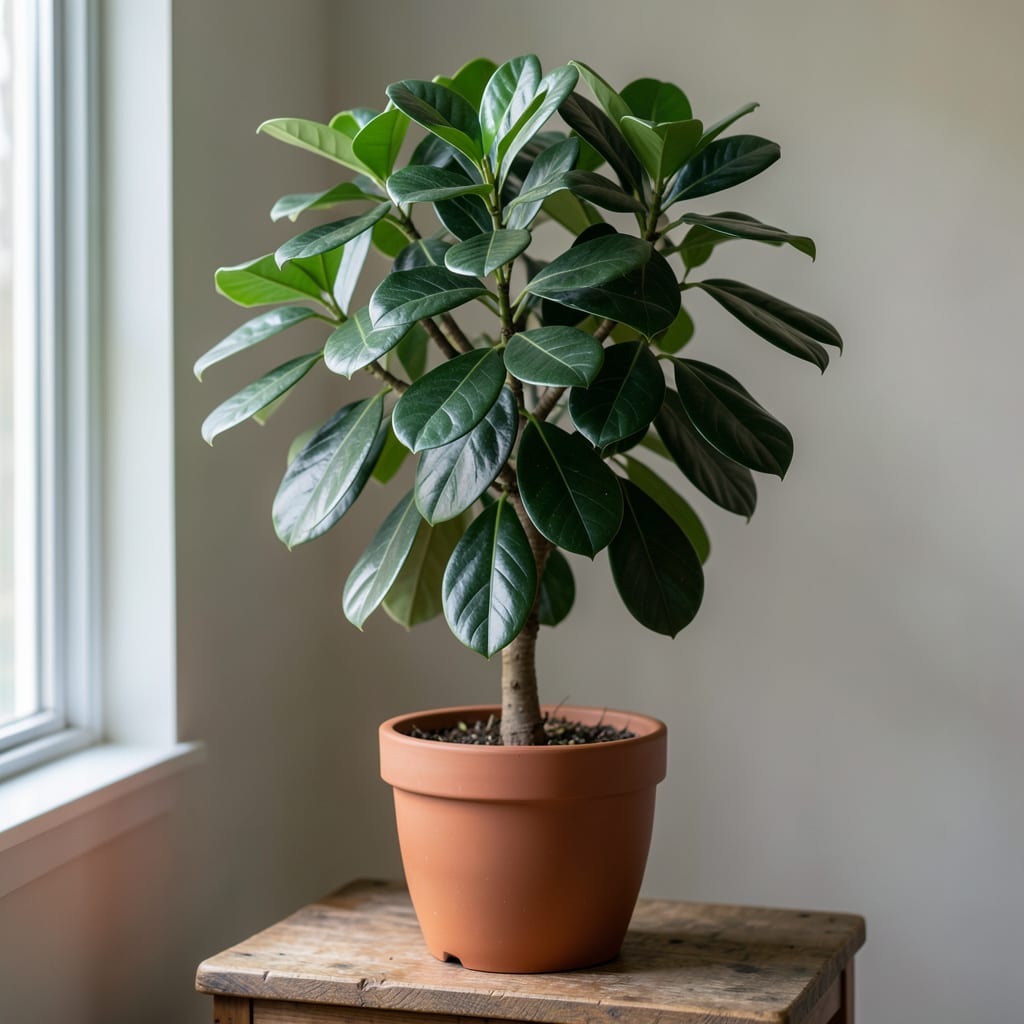
I’ve always been fascinated by the compact beauty of dwarf umbrella trees 🌳. These versatile plants can thrive in various environments, making them perfect for both indoor and outdoor gardening. Their manageable size is one of their most appealing features.
If you’re wondering how tall these lovely trees can grow, you’re in the right place. Dwarf umbrella trees typically reach heights of 3-5 feet, making them an excellent choice for spaces where you want to add some greenery without overwhelming the area.


Dwarf umbrella trees are known for their compact growth and manageable size, making them popular for both indoor and outdoor gardening. Their growth patterns are influenced by various factors including natural growth rate, environmental conditions, and pruning practices.
The typical height range for dwarf umbrella trees is between 3-5 feet, which is significantly shorter than their standard counterparts that can grow up to 10-15 feet tall. This compact size makes them ideal for smaller spaces 🌳.
Understanding these growth patterns is crucial for providing the right care and maintaining the desired size of your dwarf umbrella tree. Factors such as light exposure, watering, and pruning all play significant roles in determining the tree’s ultimate height.
The natural growth rate of dwarf umbrella trees is generally moderate, with an average annual growth of 1-2 feet. However, this can vary based on the specific conditions in which the tree is grown.
Environmental conditions, particularly light and water, have a significant impact on the growth of dwarf umbrella trees. These trees thrive in bright indirect light and require consistent moisture to grow well.
Pruning is another critical factor that influences the height of dwarf umbrella trees. Regular pruning helps maintain the desired height and shape, and is essential for keeping the tree compact and healthy.
By understanding and managing these factors, you can ensure that your dwarf umbrella tree remains healthy and grows to its full potential within its expected height range.
In summary, dwarf umbrella trees typically grow to be between 3-5 feet tall, with their height influenced by factors such as natural growth rate, environmental conditions, and pruning practices. Proper care and maintenance are key to ensuring these trees thrive and maintain their compact size 🌿.
The maximum height of dwarf umbrella trees is influenced by several key factors that every gardener should understand. These factors include light exposure, watering practices, soil quality, and container size, all of which play crucial roles in determining the mature height of these plants 🌿.
Light exposure is particularly important as dwarf umbrella trees thrive in bright indirect light. Insufficient light can lead to leggy growth, while too much direct sunlight can cause leaf scorch. Proper light conditions help maintain the plant’s compact growth habit.
The height of dwarf umbrella trees is significantly influenced by environmental factors. Proper care and maintenance are essential for achieving optimal growth.
Watering practices also have a substantial impact on the growth of dwarf umbrella trees. These plants prefer consistent moisture but are sensitive to overwatering. Maintaining the right balance is crucial for healthy growth and preventing root rot.
Soil quality is another critical factor that affects the maximum height of dwarf umbrella trees. These plants thrive in well-draining soil rich in organic matter. Poor soil conditions can limit the plant’s growth potential and overall health.
The size of the container can also influence the height of dwarf umbrella trees. A larger container allows for more root development, which can support greater growth. However, it’s essential to avoid containers that are too large, as this can lead to overwatering issues.
By understanding and managing these factors, gardeners can optimize the growth of their dwarf umbrella trees and ensure they reach their full potential within their expected height range of 3-5 feet.
Proper care and maintenance are key to achieving the desired height and overall health of dwarf umbrella trees. Regular monitoring of the plant’s conditions and adjustments as needed will help maintain its compact size and promote healthy growth 🌱.
In conclusion, the maximum height of dwarf umbrella trees is influenced by a combination of factors including light exposure, watering practices, soil quality, and container size. By providing optimal conditions and proper care, gardeners can ensure their dwarf umbrella trees thrive and maintain their desired height.
Pruning is a crucial aspect of maintaining the desired height and shape of dwarf umbrella trees. By employing proper pruning techniques, you can control the tree’s height and promote healthy growth 🌱.
The primary goal of pruning dwarf umbrella trees is to maintain their compact size while ensuring they remain healthy and visually appealing. Regular pruning helps to remove dead or damaged branches, encourage new growth, and maintain the tree’s shape.
Carefully examine your dwarf umbrella tree for any dead, damaged, or diseased branches that need removal.
Using sharp, clean pruning tools, remove the identified branches, cutting them off at the base to promote healthy regrowth.
Trim back any overly long branches to maintain the desired shape and size, ensuring the tree remains balanced and aesthetically pleasing.
Regular pruning not only helps control the height of dwarf umbrella trees but also enhances their overall health and appearance. By following these pruning techniques, you can keep your tree looking its best while maintaining its compact size 🌿.
It’s essential to prune your dwarf umbrella tree at the right time to maximize the benefits. The best time for pruning is during the spring or early summer, when the tree is actively growing. Avoid pruning in the fall or winter, as this can stimulate new growth that may not have time to harden off before colder weather arrives.
In addition to regular pruning, maintaining proper care practices such as adequate watering, appropriate fertilization, and sufficient light exposure will further support the health and compact growth of your dwarf umbrella tree.
By combining effective pruning techniques with overall good care, you can enjoy a thriving dwarf umbrella tree that remains within your desired height range of 3-5 feet and continues to be a beautiful addition to your indoor or outdoor space.
Dwarf umbrella trees typically grow to be between 3-5 feet tall, making them perfect for indoor spaces or small outdoor areas. Their compact size is one of their most appealing features.
Dwarf umbrella trees have a moderate growth rate, typically growing 1-2 feet per year. This rate can vary depending on factors like light exposure, watering, and pruning practices. Regular care helps maintain their desired size.
Yes, you can control the height through regular pruning. Pruning helps maintain the desired height and shape, and is essential for keeping the tree compact and healthy. Prune during spring or early summer for best results.
Several factors influence the maximum height, including light exposure, watering practices, soil quality, and container size. Providing optimal conditions and proper care helps achieve the desired height. Proper care is key to maintaining their compact size.
