
Beautiful Plants For Your Interior
Beautiful Plants For Your Interior
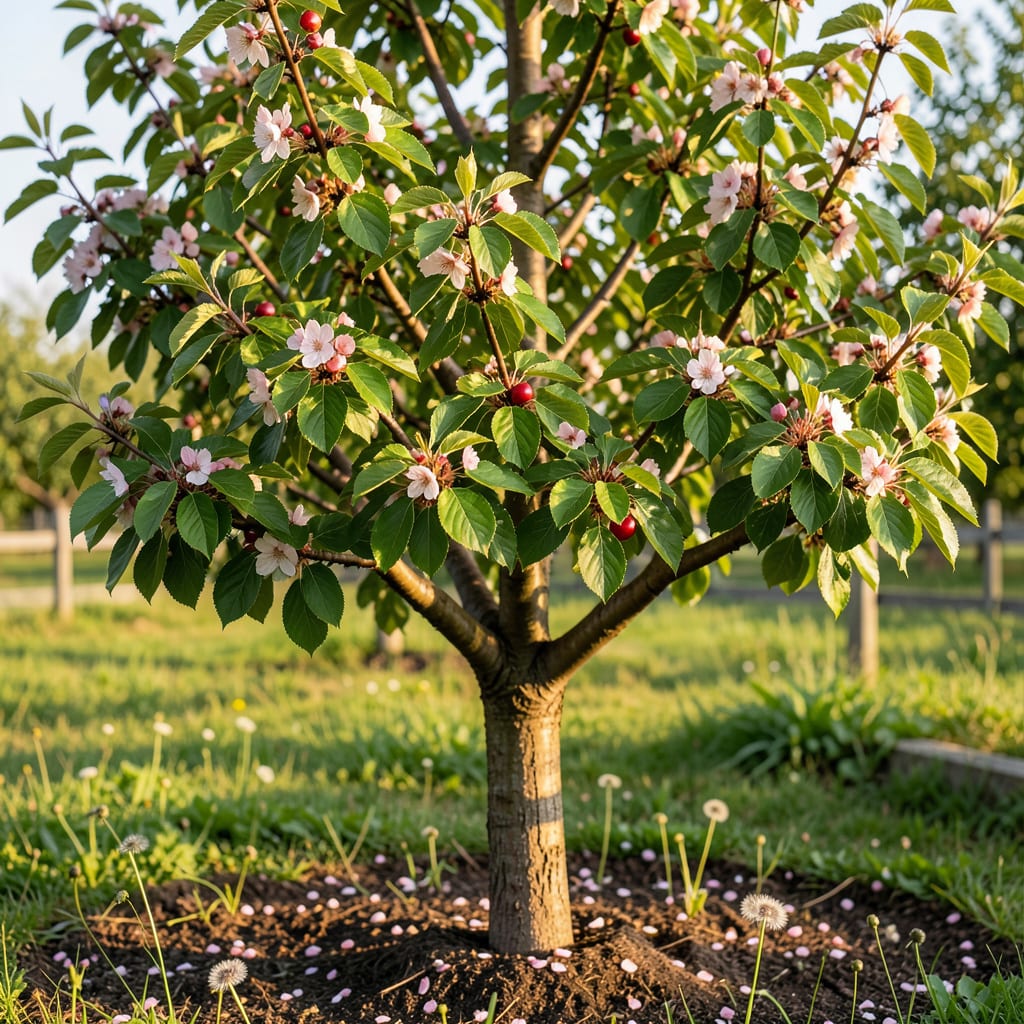
Cherry trees typically grow between 15 to 30 feet tall, though dwarf varieties stay under 10 feet and wild species can reach 50 feet or more. Height depends on the variety, rootstock, soil conditions, and pruning practices.
When planning your landscape, understanding these height variations is crucial for placement. 🌳 I’ve seen homeowners surprised when their “small” ornamental cherry outgrows its space within a decade. The difference between a Bing cherry (standard 20-30 feet) and a Stella compact (8-12 feet) can mean the difference between a shade tree and a patio container plant. What’s fascinating is how rootstock choices—like Gisela 5 for dwarfing—can cut mature height by half while maintaining fruit production.
Climate plays an unexpected role too. In cooler northern zones, trees often grow taller as they compete for sunlight, while southern heat may limit vertical growth. 🌡️ I always recommend checking your USDA zone before planting—what starts as a 6-foot sapling could become a 40-foot giant in the right conditions. Proper pruning during dormancy helps control height, but genetics ultimately set the ceiling.
💡 In This Article
The secret to a cherry tree’s final height lies in its genetic blueprint. Sweet cherry varieties like Bing or Rainier naturally grow taller (20-30 feet) because they’re bred for commercial orchards where height maximizes yield. Tart cherries like Montmorency stay shorter (12-18 feet) as they’re often grown for easier harvesting.
What’s fascinating is how breeders manipulate growth hormones through selective breeding—some modern cultivars are genetically programmed to stay compact while producing full-sized fruit.
Rootstock selection dramatically alters growth potential. Dwarfing rootstocks like Gisela 5 can reduce a tree’s mature height by 50-70% compared to standard rootstocks. This isn’t magic—it’s about controlling the tree’s hormone production. Semi-dwarf rootstocks (like Mahaleb) create a middle ground, producing trees that reach 12-18 feet.
The rootstock doesn’t just affect height; it influences the tree’s lifespan, disease resistance, and even how early it bears fruit. 🌱
Climate and soil create the environmental framework for growth. In cooler zones (USDA 4-6), cherry trees often grow taller as they stretch for sunlight during shorter growing seasons. Southern climates (zones 7-9) may produce shorter trees with wider canopies. Soil pH matters too—cherries prefer slightly acidic soil (6.0-6.8).
When pH drifts too high or low, nutrient uptake suffers, potentially stunting growth. I’ve seen trees in poor soil remain half their expected height despite perfect genetics.
Pruning techniques shape a tree’s vertical development over decades. Summer pruning (removing water sprouts) redirects energy from vertical growth to fruit production. Winter pruning during dormancy stimulates new growth—cutting back leaders by 1/3 can encourage bushier rather than taller growth.
The angle of your cuts matters too: 45-degree cuts heal faster and direct growth outward rather than upward. ✂️
Water availability during critical growth periods makes a surprising difference. Young trees establishing their root systems (first 3-5 years) need consistent moisture to reach their genetic potential. Drought stress during this phase can permanently limit height. Mature trees are more resilient but will prioritize survival over growth during dry spells.
A tree that receives 1-2 inches of water weekly during growing season will outpace one left to fend for itself.
Here’s what most gardeners overlook: container size for dwarf varieties. Even genetically small trees need proper root space. A Stella Compact cherry in a 15-gallon container might only reach 6 feet, while the same variety in a 30-gallon container could hit 10 feet. The root-to-canopy ratio is crucial—restricted roots send signals to limit top growth.
This is why orchard trees planted directly in ground always outgrow their container-grown counterparts. 🪴
Pollination partners indirectly affect height too. Trees that struggle to set fruit (due to lack of compatible pollinators) often put more energy into vegetative growth, potentially growing taller than expected. Conversely, well-pollinated trees that produce heavy fruit crops may grow more slowly as energy gets diverted to fruit production rather than vertical expansion.
This is why commercial orchards often see more consistent heights—they manage pollination systematically.
One final factor: age at planting. Bare-root whips (1-year-old trees) take longer to reach mature height than 3-4 year old potted trees, but they often develop stronger root systems that support taller growth in the long run.
I’ve tracked trees from both starting points—while the potted trees look impressive early, the bare-root trees frequently surpass them in height by year 10 when given identical care. ⏳
Most cherry trees grow about 12-24 inches per year under ideal conditions. Dwarf varieties may reach mature height in 5-7 years, while standard trees can take 10-15 years. Growth slows significantly after the first decade as energy shifts to fruit production.
Annual summer pruning (removing vertical water sprouts) can limit height by 30-40%. For drastic size control, try espalier training against a wall or fence. Remember: heavy pruning reduces fruit yield, so balance size management with your harvest goals.
Container trees stay smaller only while root-bound. A Stella Compact in a 15-gallon pot may stay 6 feet tall, but transplant it to ground and it could double in height. Root pruning every 2-3 years helps maintain container size long-term.
Differences often come from rootstock choices or microclimates. A tree on Mahaleb rootstock grows taller than one on Gisela 5. Sun exposure matters too—trees in full sun (6+ hours) outpace those in partial shade by 20-30% over a decade.
Not necessarily. Standard trees (20-30 feet) produce more total fruit, but dwarf varieties often yield more per square foot of canopy. A well-pruned 8-foot Carmine Jewel can outproduce a neglected 25-foot Bing tree. Fruit quality depends more on care than height.
