
Beautiful Plants For Your Interior
Beautiful Plants For Your Interior
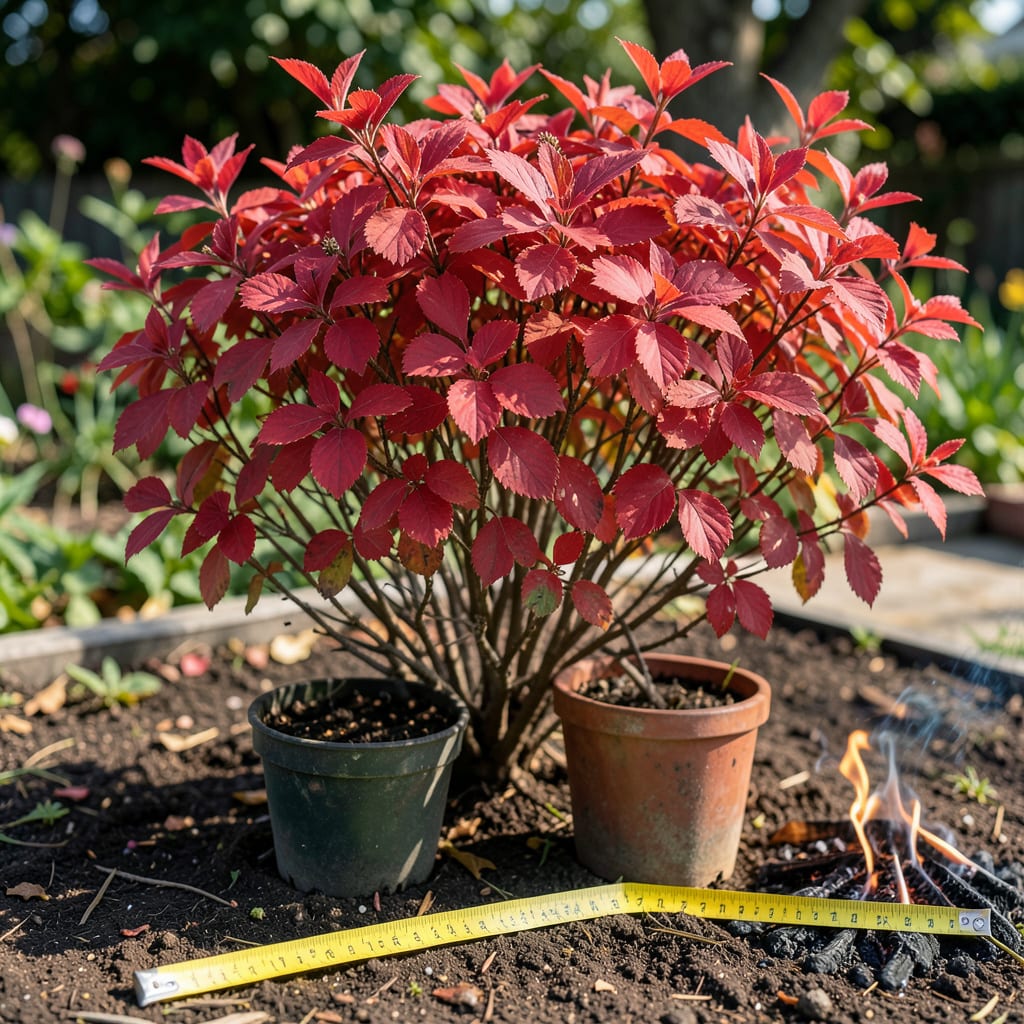
When planning your garden, understanding the mature size of your plants is crucial. The Burning Bush 🌿 is a popular choice for its vibrant fall colors, but how tall can it grow? Knowing its potential height helps you place it perfectly in your landscape.
Burning Bushes typically grow between 3 to 12 feet tall, making them a versatile option for various garden designs in USDA Zone 6. Let’s explore what affects their growth and how to maintain their ideal height.


When considering how tall burning bushes grow, several factors come into play. The height of these plants can be influenced by soil conditions, sunlight exposure, and watering practices. Understanding these elements helps in managing the plant’s size effectively.
Burning bushes thrive in well-drained soil that is rich in organic matter. The pH level of the soil can also impact their growth, with a slightly acidic to neutral pH being ideal. Soil conditions play a crucial role in determining the overall health and size of the plant 🌿.
The sunlight exposure is another critical factor. Burning bushes prefer full sun to partial shade, requiring at least 6 hours of direct sunlight daily. This exposure directly affects their growth rate and overall size.
Watering practices also impact the height of burning bushes. While they can tolerate some drought, consistent moisture promotes healthier growth. Watering deeply but infrequently encourages deep root growth, making the plant more resilient.
Pruning techniques are essential for maintaining the desired height. Regular pruning not only controls the size but also promotes a denser, more vibrant plant. Pruning should be done in late winter or early spring before new growth begins 🔥.
By understanding and managing these factors, you can effectively control the height of your burning bushes and ensure they remain a beautiful addition to your garden.
The fertilization of burning bushes is another aspect to consider. Using a balanced fertilizer with a 10-10-10 NPK ratio every 6-8 weeks during the growing season can support healthy growth.
Each of these factors contributes to the overall growth and height of burning bushes. By optimizing these conditions, you can achieve the desired size and maintain the plant’s health and vibrancy.
It’s also worth noting that different cultivars of Euonymus alatus may have varying growth habits. Some may naturally grow taller or remain more compact, so choosing the right cultivar is important for achieving your desired landscape effect.
In summary, the height of burning bushes is influenced by a combination of soil conditions, sunlight exposure, watering practices, and pruning techniques. By carefully managing these factors, you can maintain your burning bushes at a size that complements your garden design.
For more specific guidance on managing burning bush height, consider consulting with a local horticulturist or gardening expert who can provide advice tailored to your specific climate and soil conditions.
By following these guidelines and understanding the factors that affect burning bush growth, you can enjoy these beautiful plants in your garden for years to come 🌿.
Burning bushes typically grow between 3 to 12 feet tall, making them a versatile option for various garden designs. The average mature height is around 6 to 8 feet, but this can vary depending on the specific cultivar and growing conditions 🌿.
Different varieties of Euonymus alatus, the botanical name for burning bush, can have different growth habits. Some compact varieties may reach heights of 3 to 6 feet, while larger cultivars can grow up to 15 feet tall if not pruned.
Most burning bushes grow between 6 to 8 feet tall, making them suitable for hedges or border plants.
Some varieties can reach up to 12 to 15 feet if not regularly pruned or maintained.
Compact burning bush varieties typically grow between 3 to 6 feet tall, ideal for smaller gardens or container planting.
The height of burning bushes can be influenced by factors such as soil quality, sunlight exposure, and pruning practices. Understanding these factors helps in managing the plant’s size effectively.
When selecting a burning bush for your garden, consider the mature size of the plant to ensure it fits well in your landscape design. Regular maintenance, including pruning, can help maintain the desired height and promote healthy growth 🌟.
Burning bushes are known for their vibrant fall colors and can add a dramatic touch to any garden. By understanding their growth habits and managing their height, you can enjoy these benefits for years to come.
For more specific guidance on managing burning bush height, consider consulting with a local horticulturist or gardening expert who can provide advice tailored to your specific climate and soil conditions.
In summary, burning bushes offer flexibility in garden design due to their variable height range. By choosing the right cultivar and maintaining proper care, you can achieve the desired height and enjoy the beauty of these plants in your garden 🌿.
Pruning is a crucial maintenance task for burning bushes, as it helps control their height and promotes healthy growth. Regular pruning not only maintains the desired size but also encourages a denser, more vibrant plant 🌿.
The best time to prune burning bushes is in late winter or early spring, before new growth begins. This timing allows you to shape the plant effectively and remove any dead or damaged branches 🔥.
Evaluate the burning bush for any dead, damaged, or diseased branches that need removal.
Cut back overgrown branches to maintain the desired height and shape the plant as needed.
Remove select branches from the center to improve air circulation and allow light to penetrate.
When pruning, use sharp, clean tools to make precise cuts. This helps prevent damage to the plant and reduces the risk of disease transmission.
Regular pruning not only controls the height of burning bushes but also enhances their overall appearance. By following these steps, you can maintain a healthy, vibrant plant that adds beauty to your garden 🌟.
It’s also important to consider the growth rate of your burning bush when planning your pruning schedule. Faster-growing varieties may require more frequent pruning to maintain the desired height.
By incorporating regular pruning into your gardening routine, you can enjoy the benefits of your burning bush for years to come. Proper pruning techniques will help you achieve the desired height and maintain the plant’s health and vibrancy 🌿.
Burning bushes typically grow between 3 to 12 feet tall, with an average mature height of 6 to 8 feet. The height can vary depending on the specific cultivar and growing conditions. Proper care and pruning can help maintain the desired height .
Prune your burning bush in late winter or early spring to maintain the desired height. Regular pruning not only controls the size but also promotes a denser, more vibrant plant. Use sharp, clean tools to make precise cuts .
Yes, burning bushes can grow in partial shade, but they prefer full sun to partial shade with at least 6 hours of direct sunlight daily. While they can tolerate some shade, reduced sunlight may affect their growth rate and overall size. For optimal growth, ensure they receive sufficient sunlight .
Yes, there are compact varieties of burning bushes that typically grow between 3 to 6 feet tall. These dwarf varieties are ideal for smaller gardens or container planting, offering the same vibrant fall colors as their larger counterparts .
