
Beautiful Plants For Your Interior
Beautiful Plants For Your Interior
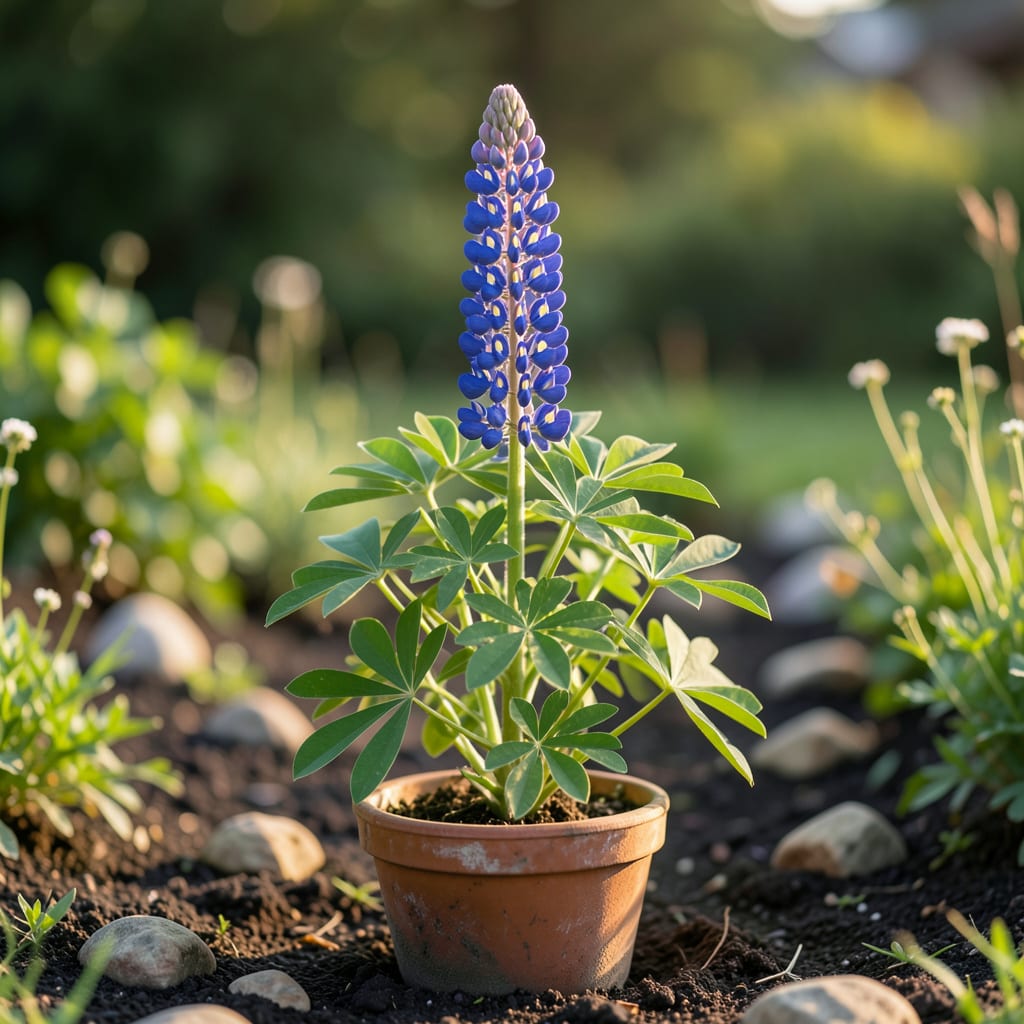
As I watch Bluebonnets 🌸 bloom in my garden, I’m always amazed by their vibrant blue flowers. These beautiful flowers typically grow between 1-2 feet tall, creating a stunning display in USDA Zone 6.
Understanding how tall Bluebonnets grow helps you plan your garden layout and care routine. Let’s explore what affects their height and how to encourage optimal growth.


Bluebonnets, Texas’ iconic wildflowers, are known for their vibrant blue blooms that typically grow between 1-2 feet tall. This height range makes them perfect for various garden settings.
The growth height of bluebonnets can vary based on several factors, including soil quality, climate conditions, and care practices. Understanding these factors is crucial for gardeners who want to cultivate healthy and thriving bluebonnets 🌼.
Bluebonnets are annual or biennial plants that thrive in USDA Zone 6. Their growth cycle begins in early spring, followed by a period of active growth, and finally, flowering in late spring to early summer 🌺.
Several factors can influence the height of bluebonnets, including soil quality, sunlight exposure, and watering practices. Gardeners can optimize these conditions to promote healthier and potentially taller plants.
For example, ensuring that bluebonnets receive adequate sunlight and are planted in well-drained soil can significantly impact their growth. Additionally, avoiding overwatering is crucial, as bluebonnets are adapted to dry conditions once established 💧.
By understanding the typical growth heights and patterns of bluebonnets, gardeners can better plan their garden layouts and care routines. This knowledge helps in creating an environment that supports the optimal growth of these beautiful wildflowers.
Bluebonnets not only add beauty to gardens but also attract pollinators and other beneficial insects. Their relatively low maintenance requirements make them an excellent choice for gardeners looking to add some native Texas flora to their landscapes 🌼.
As bluebonnets grow and bloom, they create a stunning display that can be enjoyed throughout the spring season. Their vibrant blue flowers are a hallmark of the Texas landscape and a favorite among gardeners and nature enthusiasts alike.
In conclusion, bluebonnets typically grow between 1-2 feet tall, with their height influenced by various growing conditions. By providing optimal care and conditions, gardeners can enjoy these beautiful flowers to their full potential.
Whether you’re a seasoned gardener or just starting out, bluebonnets are a great addition to any garden. Their beauty and relatively low maintenance make them a popular choice for many gardeners across Texas and beyond 🌸.
Bluebonnet height is influenced by various factors, including soil quality, climate conditions, and care practices. Understanding these elements helps gardeners create optimal growing conditions.
The height of bluebonnets can vary significantly based on the soil they are planted in. Well-drained soil is essential for healthy growth, as it prevents waterlogged conditions that can lead to root rot 🌿.
Soil quality, climate conditions, and proper care practices are crucial for maximizing bluebonnet height and overall health.
Climate conditions also play a significant role in determining bluebonnet height. Bluebonnets thrive in full sun and temperate climates, making USDA Zone 6 an ideal location for their growth ☀️.
In terms of care practices, watering is a critical factor. Bluebonnets are drought-tolerant once established, so avoiding overwatering is essential to prevent root rot and other issues 💧.
Fertilization is another aspect of care that can impact bluebonnet height. Generally, bluebonnets do not require fertilization, as they thrive in poor soil conditions 🌾.
By understanding and optimizing these factors, gardeners can promote healthier and potentially taller bluebonnets. This knowledge helps in creating an environment that supports the optimal growth of these beautiful wildflowers.
Bluebonnets are not only a delight to behold but also attract pollinators and other beneficial insects to the garden. Their relatively low maintenance requirements make them an excellent choice for gardeners looking to add some native Texas flora to their landscapes 🌼.
In summary, factors such as soil quality, climate conditions, and care practices significantly affect bluebonnet height. By providing optimal conditions and care, gardeners can enjoy these beautiful flowers to their full potential.
To maximize bluebonnet growth, gardeners should focus on creating optimal growing conditions. Bluebonnets thrive in well-drained soil and full sun, making it essential to choose a location that receives at least 6 hours of direct sunlight daily ☀️.
Soil preparation is also crucial for promoting healthy bluebonnet growth. Gardeners should ensure the soil is free-draining to prevent waterlogged conditions that can lead to root rot 🌿.
Sow bluebonnet seeds in early spring after the soil has reached 60°F. This timing allows for optimal germination and growth 🌱.
Water bluebonnets weekly during their active growth period. Once established, they are drought-tolerant, so avoid overwatering 💧.
Bluebonnets thrive in poor soil conditions, so fertilization is generally not necessary. This makes them a low-maintenance addition to any garden 🌾.
By following these expert tips, gardeners can create an optimal environment for bluebonnets to grow and flourish. This not only enhances the beauty of the garden but also supports the local ecosystem by attracting pollinators and other beneficial insects 🐝.
Maximizing bluebonnet growth requires attention to detail and a understanding of their specific needs. With the right conditions and care, bluebonnets can reach their full potential and provide a stunning display of color in the garden 🌼.
In summary, by planting at the right time, maintaining proper watering, and avoiding fertilization, gardeners can promote healthier and potentially taller bluebonnets. These practices contribute to a thriving garden that showcases the beauty of these iconic wildflowers 🌸.
Bluebonnets typically grow between 1-2 feet tall, making them perfect for various garden settings. This height range allows them to be easily visible in garden beds or containers. They can add a beautiful touch to any landscape without becoming too overwhelming.
Several factors can influence the height of bluebonnets, including soil quality, climate conditions, and care practices. Ensuring they receive full sun and are planted in well-drained soil can significantly impact their growth. Proper care can help them reach their full potential height.
To maximize bluebonnet growth, focus on creating optimal growing conditions. Plant them in well-drained soil and ensure they receive at least 6 hours of direct sunlight daily. Water them weekly during their active growth period, and avoid overwatering once they’re established. Proper care will help them thrive.
Generally, bluebonnets do not require fertilization as they thrive in poor soil conditions. Overfertilization can be harmful, so it’s best to avoid it. This makes bluebonnets a low-maintenance addition to any garden, perfect for gardeners looking for easy-to-care-for plants.
