
Beautiful Plants For Your Interior
Beautiful Plants For Your Interior
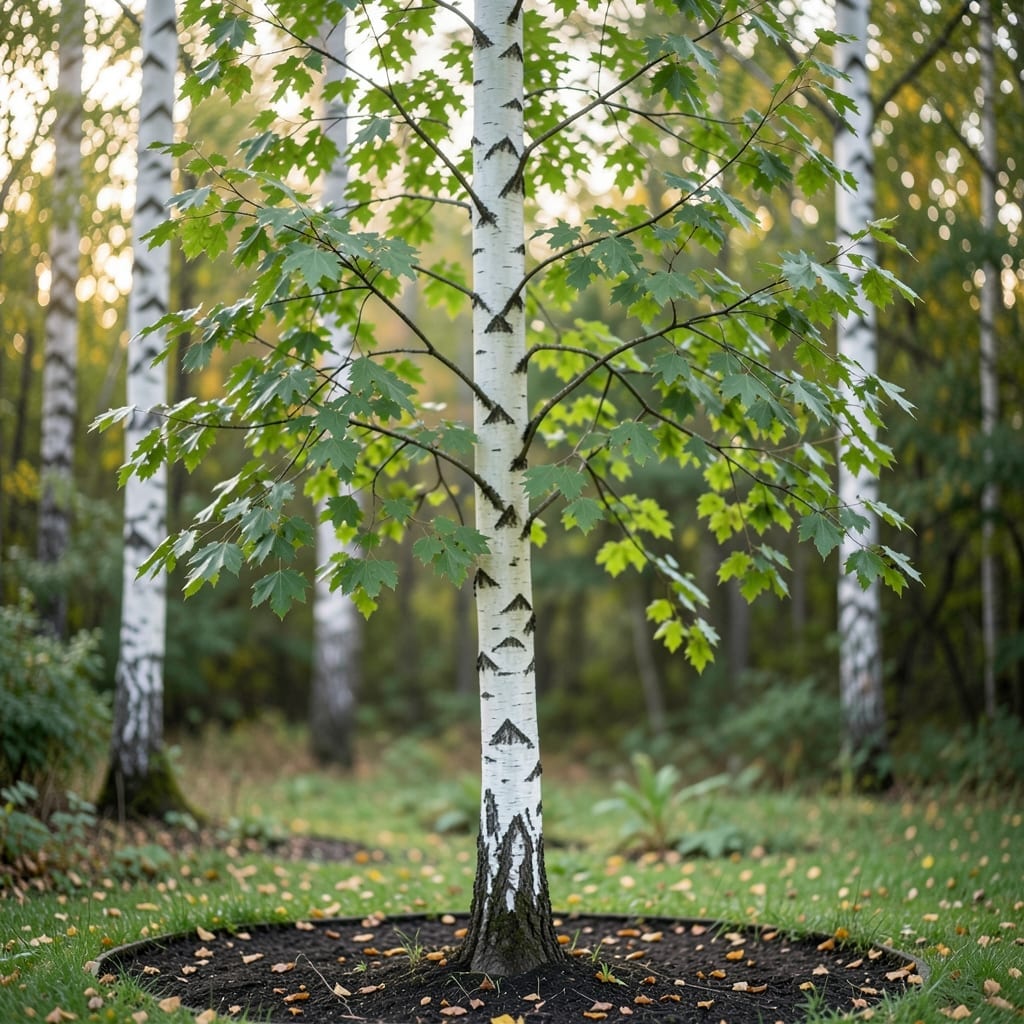
I’ve always been fascinated by how the Birch Tree 🌳 transforms a landscape with its elegant, towering presence. But not all birch trees reach the same heights, and that’s where things get interesting.
Depending on the species, these trees can range from modest 15-foot varieties to majestic giants nearing 70 feet. The difference often comes down to genetics and growing conditions.
If you’re planning to plant one, knowing these details can help you choose the perfect fit for your space. Let’s explore what determines their impressive stature.


If you’re curious about birch tree heights, you’re not alone. These elegant trees can reach stunning sizes, but it really depends on the species you’re growing in your yard.
From the towering yellow birch to the more compact dwarf varieties, each type has its own mature height range that’s worth knowing before planting.
| Species | Mature Height (ft) | Growth Conditions |
|---|---|---|
| Paper Birch | 50-70 | Full sun, moist soil |
| Yellow Birch | 60-75 | Partial shade, well-drained |
| River Birch | 40-60 | Wet areas, full sun |
| White Birch | 50-70 | Cool climates, acidic soil |
| Dwarf Birch | 6-10 | Rocky soil, cold climates |
The paper birch and white birch often reach 50 to 70 feet, making them some of the tallest species you’ll encounter in home landscapes.
These trees thrive in full sun and prefer moist but well-drained soil. If your yard has these conditions, you might find your birch growing taller than expected.
On the other end, dwarf birch stays small, usually under 10 feet. This makes it perfect for small gardens or even container growing on patios.
For river birch, expect heights between 40 and 60 feet. It’s a great choice if you have a wet area in your yard, as it tolerates soggy soil better than most.
The yellow birch can surprise you by growing up to 75 feet in ideal conditions. It prefers partial shade and does well in cooler climates.
Remember, these heights are for mature trees. It can take 20-30 years for birches to reach their full potential, so be patient with your planting.
If you’re working with limited space, consider the dwarf varieties. They offer the same beautiful bark and leaves but in a much more manageable size for urban gardens.
While genetics play the biggest role in how tall your birch tree grows, the environment can make a surprising difference too. I’ve seen paper birches struggle to reach 30 feet in poor conditions.
On the flip side, with ideal care, some species can exceed their typical mature height by 10-15 feet. That’s why understanding these factors is so important for gardeners.
I always tell gardeners that soil quality is the foundation. Birches hate compacted soil and will grow stunted if their roots can’t spread properly.
For sunlight, these trees need at least 6 hours daily. In shady spots, expect slower growth and potentially shorter mature height.
Water consistency is crucial, especially for young trees. I water my birches deeply once a week during dry spells, which helps them establish strong root systems.
Remember that climate zone matters too. In warmer areas, some species may grow faster but could be more susceptible to stress. In cooler zones, growth might be slower but more stable.
Finally, give them enough space. Crowded roots lead to competition for nutrients, which can limit height. I recommend planting at least 15-20 feet apart from other large trees 🌳