
Beautiful Plants For Your Interior
Beautiful Plants For Your Interior
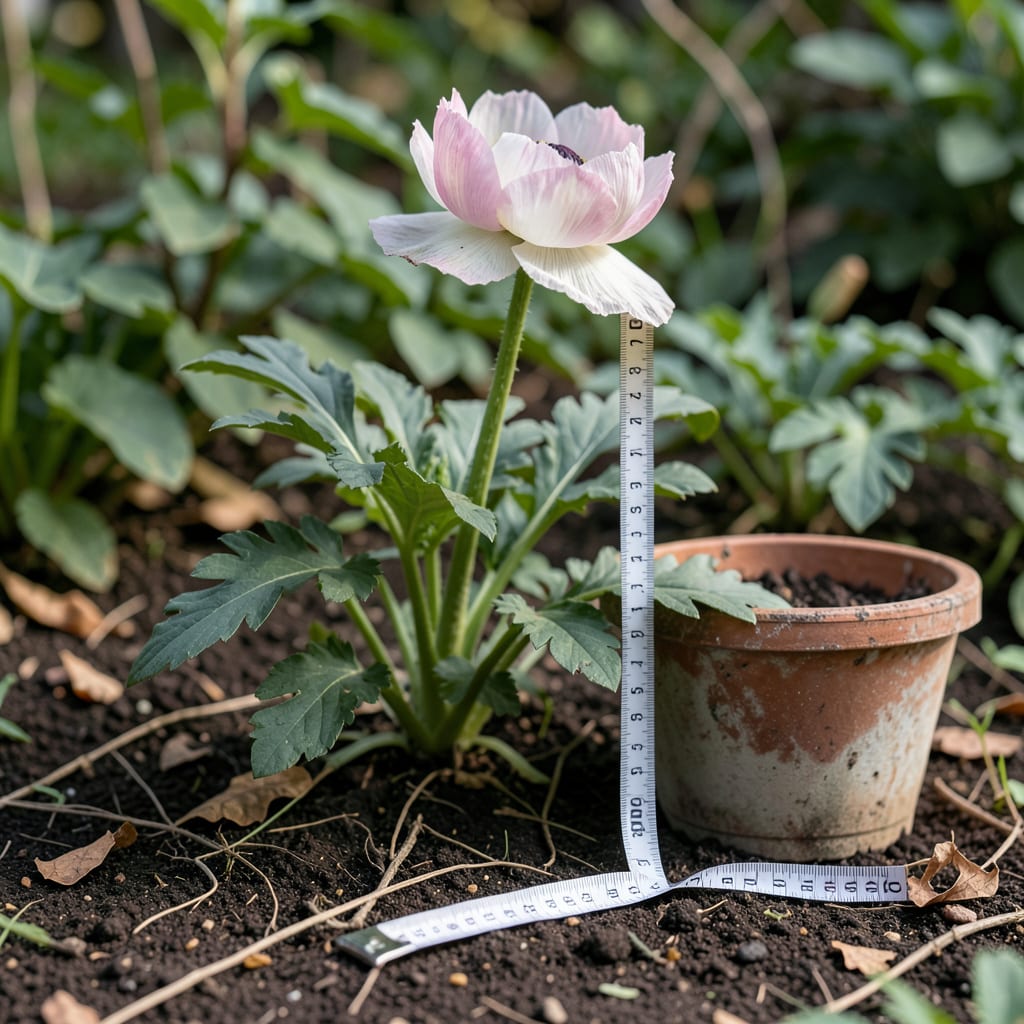
As spring arrives, Anemone 🌼 flowers begin to bloom, adding elegance to any garden. Their delicate petals and charming appearance make them a favorite among gardeners.
But have you ever wondered how tall these beautiful flowers can grow? Understanding their height is crucial for proper placement and care in your garden in USDA Zone 6. Let’s explore what you can expect from these lovely blooms.


Anemone flowers are known for their delicate beauty and varying heights. The height of these flowers can range from 1 to 3 feet, depending on the specific variety. Understanding the growth patterns of different anemone types is essential for garden planning and care 🌼.
Different varieties of anemone flowers exhibit unique growth characteristics. Some compact varieties may grow as short as 6 inches, while taller types can reach heights of up to 4 feet in ideal conditions. The most common varieties typically fall within the 1 to 2 feet range 🌿.
The height of anemone flowers can significantly impact their placement in garden designs. Taller varieties are often used as border backdrops or in wildflower meadows, while shorter types excel in rock gardens or container plantings. Understanding these height variations helps gardeners create more effective and visually appealing garden layouts 🌺.
When selecting anemone varieties, gardeners should consider both the mature height of the plants and their growth habits. Some anemones have a clumping growth pattern, while others may naturalize through underground rhizomes. This information is crucial for proper spacing and long-term garden planning 📏.
Key factors that influence anemone height include soil quality, light exposure, and watering practices. Rich, well-draining soil typically promotes healthier growth and more robust flowering. Gardeners should also consider the specific growing conditions required by different anemone varieties 🌱.
For gardeners in USDA Zone 6, anemones typically bloom in early spring. Planting after the last frost when soil is workable and moist usually yields the best results. Proper care during the growing season can help anemones reach their full height potential 🌻.
Anemone flowers generally require partial shade to thrive, with 4-6 hours of morning sun being ideal. This lighting condition, combined with consistent moisture, helps promote healthy growth and optimal height 🌞.
The watering needs of anemones vary by season. During spring, weekly watering is typically sufficient, while summer months may require more frequent watering. Adjusting watering practices according to the season helps maintain optimal growing conditions 💧.
In conclusion, understanding the various heights of anemone flowers and their growth patterns allows gardeners to make informed decisions about plant placement and care. By selecting appropriate varieties and providing suitable growing conditions, gardeners can enjoy these beautiful flowers at their full height potential 🌼.
Understanding the factors that influence anemone flower height is crucial for gardeners who want to optimize their plant’s growth. The height of anemone flowers can be affected by several key elements, including soil quality, light exposure, and gardening practices. By focusing on these aspects, gardeners can create ideal conditions for their anemones to thrive 🌼.
Soil quality plays a significant role in determining anemone height. Rich, well-draining soil with adequate nutrients promotes healthier growth and more robust flowering. Gardeners should ensure their soil is rich in organic matter and has good drainage to support optimal anemone growth 🌱.
To maximize anemone height, focus on providing rich soil, appropriate light, and consistent watering. These factors combined will help your anemones reach their full potential.
Light exposure is another critical factor affecting anemone height. Most anemone varieties prefer partial shade, with 4-6 hours of morning sun being ideal. Too much direct sunlight can cause stress to the plants, potentially limiting their growth 🌞.
Gardening practices, such as watering and fertilization, also impact anemone height. Consistent moisture is essential, especially during the growing season. However, overwatering can be detrimental. A balanced fertilization schedule can provide necessary nutrients for optimal growth 💧.
For gardeners in USDA Zone 6, understanding the specific needs of anemones during different seasons is vital. Adjusting watering practices according to the season helps maintain optimal growing conditions. During spring, weekly watering is typically sufficient, while summer months may require more frequent watering 🌻.
By carefully managing these factors, gardeners can influence the height of their anemone flowers. Providing the right conditions and care can help anemones reach their full height potential, enhancing the overall beauty of the garden 🌺.
In summary, the height of anemone flowers is influenced by a combination of soil quality, light exposure, and gardening practices. By understanding and optimizing these factors, gardeners can enjoy healthier, more robust anemone plants that reach their full height potential 🌼.
Understanding the height of anemone flowers is crucial for creating effective garden designs. By leveraging their varying heights, gardeners can enhance the visual appeal and functionality of their gardens 🌼.
Different heights of anemone flowers offer various opportunities for garden placement. Taller varieties can serve as dramatic backdrops or focal points, while shorter types are perfect for foreground planting or container gardens. This versatility allows gardeners to create layered, visually interesting landscapes 🌺.
When incorporating anemones into garden designs, consider their growth habits and mature heights. Some anemones form clumps, while others naturalize through underground rhizomes. This information helps gardeners plan for proper spacing and long-term garden development 📏.
For gardeners in USDA Zone 6, anemones can be a valuable addition to spring garden displays. Their height variations allow for creative planting arrangements that can enhance the overall garden aesthetic 🌻.
By thoughtfully using anemone height in garden design, gardeners can create more engaging and beautiful outdoor spaces. Whether used as focal points or background plants, anemones add elegance and charm to any garden 🌼.
In conclusion, understanding and utilizing the varying heights of anemone flowers can significantly enhance garden design. By selecting appropriate varieties and placing them thoughtfully, gardeners can create visually appealing and dynamic garden landscapes 🌺.
Anemone flowers typically grow between 1 to 3 feet tall, depending on the variety. Some compact types reach 6 inches, while taller varieties can grow up to 4 feet in ideal conditions. Most common varieties fall within the 1 to 2 feet range .
Soil quality significantly impacts anemone height. Rich, well-draining soil with adequate nutrients promotes healthier growth and more robust flowering. Gardeners should ensure their soil is rich in organic matter and has good drainage to support optimal anemone growth .
Yes, gardening practices like watering and fertilization can influence anemone height. Consistent moisture is essential, especially during the growing season. A balanced fertilization schedule can provide necessary nutrients for optimal growth. Adjusting watering practices according to the season helps maintain optimal growing conditions .
Taller anemone varieties can serve as dramatic backdrops or focal points, while shorter types are perfect for foreground planting or container gardens. Combining different heights creates layered, visually interesting landscapes. Consider their growth habits and mature heights when planning garden layouts .
