
Beautiful Plants For Your Interior
Beautiful Plants For Your Interior
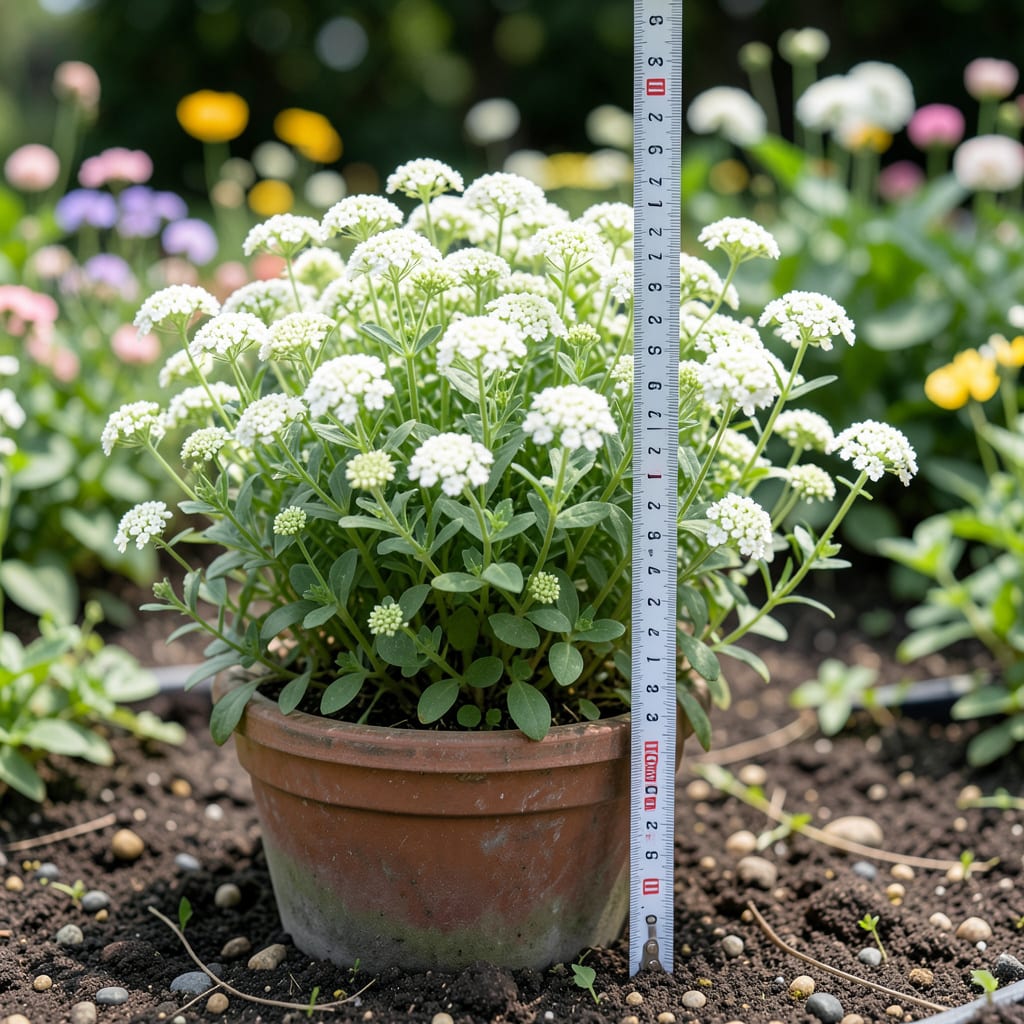
When I first started growing 🌼 Alyssum in my garden in zone 6a, I wondered how tall these beautiful flowering plants would grow. Understanding their height is crucial for optimal placement and care.
Alyssum typically grows between 0.5 to 1 foot tall, making it perfect for borders, containers, or as a ground cover. Let’s explore what affects their growth and how to make the most of these lovely plants.


When growing alyssum, understanding its height is crucial for optimal garden placement. Alyssum typically grows between 0.5 to 1 foot tall, making it perfect for various garden applications.
The height of alyssum plants can vary based on several factors, including growing conditions and care practices. Let’s explore these factors in more detail.
Alyssum’s compact growth habit makes it ideal for various garden applications, including borders, containers, and ground cover. The plant’s height can be influenced by factors such as soil quality, sunlight exposure, and pruning practices.
One of the key advantages of alyssum is its ability to form dense mats of tiny white flowers, creating a beautiful carpet effect in gardens. This characteristic makes it particularly useful for filling gaps between pavers or creating low-maintenance ground cover.
In terms of growth rate, alyssum is considered a relatively fast grower, especially when started from seed in optimal conditions. It can quickly fill in spaces and provide a lush, flowering display.
To achieve the best height and growth habit, gardeners should ensure alyssum receives adequate sunlight and is planted in well-draining soil. Regular trimming can also help maintain a desired height and encourage bushier growth 🌼.
Different varieties of alyssum may have slightly different growth habits, but most share the characteristic of being low-growing and spreading. This makes them versatile for various garden designs and applications.
When planning garden layouts, it’s helpful to consider alyssum’s mature height of 0.5 to 1 foot and its spreading nature. This allows gardeners to create balanced and visually appealing arrangements.
Alyssum’s height can also be influenced by seasonal factors. In cooler weather, the plants may remain more compact, while warmer conditions can encourage more vigorous growth and flowering.
For gardeners looking to maximize the height potential of their alyssum, providing optimal growing conditions is key. This includes ensuring the soil is not too rich, as alyssum prefers leaner soil conditions.
By understanding and leveraging alyssum’s growth habits and heights, gardeners can make informed decisions about plant placement and care, ultimately creating more beautiful and functional garden spaces.
When growing alyssum, several factors can influence its height. Understanding these factors is crucial for achieving the desired growth and maximizing the plant’s potential in your garden.
The height of alyssum plants is affected by various environmental and care-related factors. Let’s explore these in more detail to help you optimize your alyssum’s growth.
Soil quality, sunlight exposure, watering practices, and pruning techniques all play a role in determining alyssum’s height.
Soil quality is a critical factor in alyssum’s growth. The plant prefers well-draining soil and can struggle in heavy clay or waterlogged conditions. Ensuring good soil structure helps maintain healthy root development, which in turn supports optimal height.
Sunlight exposure also significantly impacts alyssum’s height. While the plant can tolerate partial shade, it thrives in full sun conditions. Adequate sunlight encourages more vigorous growth and flowering, contributing to a healthier and more robust plant.
Watering practices are another important consideration. Alyssum is relatively drought-tolerant but performs best with consistent moisture. Overwatering can lead to root rot, while underwatering may stress the plant. Finding the right balance is key to maintaining optimal height.
Pruning techniques can also influence alyssum’s height. Regular trimming after flowering encourages busier growth and helps maintain a compact shape. This practice can be particularly useful for keeping the plant within a desired height range.
In addition to these factors, fertilization plays a role in alyssum’s overall health and growth. Using a balanced fertilizer during the growing season can support healthy development, though it’s essential not to overfertilize, as alyssum prefers leaner soil conditions.
By understanding and managing these factors, gardeners can better control the height of their alyssum plants, ensuring they fit well within their garden designs and thrive in their chosen locations 🌼.
Different varieties of alyssum may respond slightly differently to these factors, so it’s worth researching the specific needs of your particular cultivar to maximize its growth potential.
Regular monitoring of your alyssum plants and adjusting your care practices accordingly can help achieve the desired height and overall health of the plants.
When I incorporate alyssum into my garden designs, I consider its compact growth habit and height range of 0.5 to 1 foot. This allows me to create beautiful, functional garden spaces that showcase the plant’s unique characteristics 🌼.
Alyssum’s low-growing nature makes it perfect for various garden applications. I use it as a ground cover to fill gaps between pavers or as a border plant to add color and texture to my garden beds.
To maximize alyssum’s height potential, I ensure it receives full sun to partial shade and is planted in well-draining soil. Regular trimming after flowering encourages busier growth and helps maintain a compact shape.
Different varieties of alyssum may have slightly different growth habits, but most share the characteristic of being low-growing and spreading. This makes them versatile for various garden designs and applications.
By understanding and leveraging alyssum’s growth habits and heights, gardeners can make informed decisions about plant placement and care, ultimately creating more beautiful and functional garden spaces 🌼.
I find that alyssum’s height can also be influenced by seasonal factors. In cooler weather, the plants may remain more compact, while warmer conditions can encourage more vigorous growth and flowering.
For gardeners looking to maximize the height potential of their alyssum, providing optimal growing conditions is key. This includes ensuring the soil is not too rich, as alyssum prefers leaner soil conditions.
Alyssum typically grows between 0.5 to 1 foot tall, making it perfect for borders, containers, or as a ground cover. This compact growth habit is one of its most appealing features for gardeners.
Several factors influence alyssum’s height, including soil quality, sunlight exposure, watering practices, and pruning techniques. Ensuring good soil structure, adequate sunlight, and proper watering helps maintain optimal height. Regular trimming can also encourage bushier growth.
Yes, alyssum makes an excellent ground cover due to its spreading, mat-forming growth habit. It can quickly fill gaps between pavers or create a beautiful carpet effect in gardens. Its low height and spreading nature make it ideal for this purpose.
To maximize alyssum’s height, provide optimal growing conditions, including full sun to partial shade and well-draining soil. Regular trimming after flowering encourages bushier growth and helps maintain a compact shape. Avoid overfertilizing, as alyssum prefers leaner soil conditions.
