
Beautiful Plants For Your Interior
Beautiful Plants For Your Interior
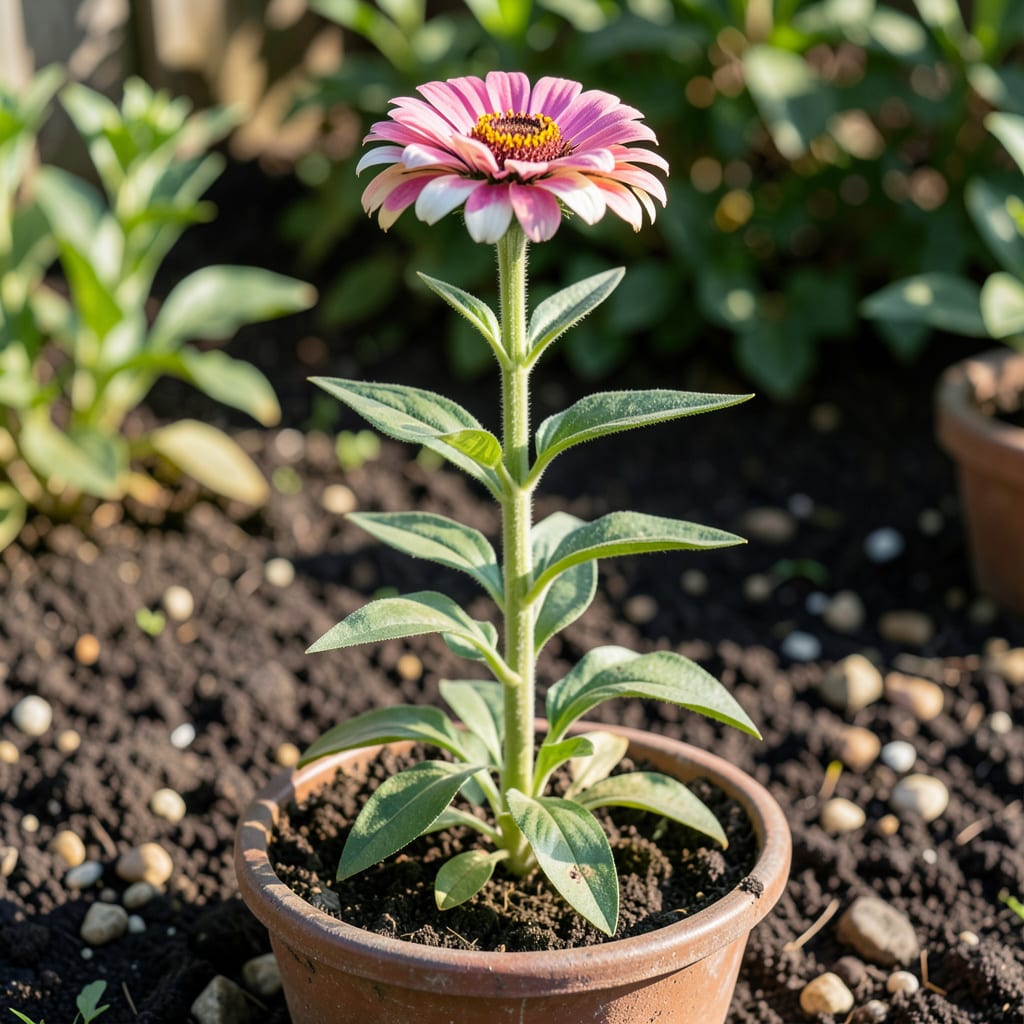
Zinnias 🌼 are a gardener’s delight, offering vibrant colors and impressive height variations. Some varieties can grow as tall as 3 feet, transforming any garden bed into a stunning display.
Understanding how to maximize their growth can help you achieve the best results. Factors like soil quality, sunlight, and spacing play a crucial role in determining their final height.


Zinnias are known for their vibrant colors and impressive height variations, making them a popular choice for gardeners. The height of zinnias can vary significantly depending on the variety, ranging from compact dwarf varieties to towering giant zinnias. Understanding these variations is key to planning your garden effectively 🌼.
Different zinnia varieties have distinct growth characteristics. For example, State Fair zinnias are known to grow up to 3-4 feet tall, while Lilliput or Pumila varieties typically reach heights of 1-2 feet. Knowing the specific variety you’re growing helps in managing expectations about their final height.
The maximum height potential of zinnias is influenced by their genetic makeup. Hybrid varieties often combine the traits of different parent plants, potentially leading to a range of heights. For instance, some hybrid zinnias may inherit the taller growth habit from one parent, while others may be more compact.
Understanding the specific characteristics of your zinnia variety is crucial for planning and managing your garden. By recognizing the potential height of your zinnias, you can make informed decisions about spacing and support, ensuring your garden is both beautiful and well-maintained 🌿.
Zinnias are not only a delight to grow but also offer flexibility in garden design. Their varying heights allow gardeners to create layered and textured garden beds, adding depth and visual interest to the landscape.
In addition to their aesthetic appeal, zinnias are relatively easy to grow and maintain. They thrive in full sun and well-drained soil, making them suitable for a wide range of garden conditions. With proper care, zinnias can reach their maximum height potential and provide a stunning display throughout the growing season 🌻.
For gardeners looking to maximize their zinnia’s growth height, understanding the factors that influence height is essential. This includes not only the variety but also growing conditions such as soil quality, sunlight exposure, and planting density. By optimizing these factors, gardeners can encourage their zinnias to reach their full height potential.
Zinnias are a versatile flower that can be used in various garden designs. Their height variations make them suitable for different garden styles, from cut flower gardens to mixed border plantings. By selecting the right variety and providing appropriate care, gardeners can enjoy a vibrant display of zinnias at their desired height 🌼.
In conclusion, the height of zinnias can vary significantly depending on the variety and growing conditions. By understanding these factors and selecting the right variety for your garden, you can enjoy a beautiful and thriving zinnia display. Whether you’re looking for compact varieties or towering giants, zinnias offer a range of options to suit your garden design needs 🌻.
By providing the right conditions and care, gardeners can encourage their zinnias to reach their maximum height potential. This not only enhances the visual appeal of the garden but also contributes to a healthy and vibrant growing environment for these beautiful flowers 🌿.
Zinnias are known for their vibrant colors and impressive height variations. The height of zinnias can be influenced by several factors, including soil quality, sunlight exposure, and planting density. Understanding these factors is crucial for gardeners who want to maximize their zinnia’s growth height 🌼.
Soil quality plays a significant role in determining zinnia height. Zinnias thrive in well-drained soil that is rich in organic matter. Soil that is too dense or lacking in nutrients can limit zinnia growth. Adding compost or well-rotted manure can improve soil quality and promote healthier, taller plants 🌿.
Zinnias require full sun to reach their maximum height potential. Ensure they receive at least 6 hours of direct sunlight daily for optimal growth 🌻.
Sunlight exposure is another critical factor affecting zinnia height. Zinnias need full sun to grow tall and healthy. Inadequate sunlight can result in leggy growth and reduced flower production. Ensuring that zinnias receive sufficient sunlight is essential for maximizing their height 🌻.
Planting density also impacts zinnia height. Overcrowding can lead to competition for resources such as light, water, and nutrients. Proper spacing allows zinnias to grow without competing with each other, promoting healthier and taller plants. A spacing of 6-12 inches between plants is generally recommended 🌼.
In addition to these factors, watering and fertilization practices can also influence zinnia height. Consistent moisture and balanced fertilization can support vigorous growth and maximize height. However, overwatering and excessive fertilization can have negative effects, such as root rot and excessive foliage growth at the expense of flowers 🌿.
By understanding and managing these factors, gardeners can create optimal growing conditions for their zinnias. This includes providing the right soil conditions, ensuring adequate sunlight, and maintaining appropriate spacing. With proper care, zinnias can reach their full height potential and provide a stunning display in the garden 🌼.
For gardeners looking to maximize their zinnia’s growth height, it’s essential to monitor and adjust these factors as needed. By doing so, you can enjoy a vibrant and thriving zinnia display that adds beauty and depth to your garden landscape 🌻.
In conclusion, the height of zinnias is influenced by a combination of factors including soil quality, sunlight exposure, and planting density. By optimizing these conditions and providing proper care, gardeners can encourage their zinnias to reach their maximum height potential and enjoy a beautiful garden display 🌿.
To encourage your zinnias to reach their maximum height potential, it’s essential to provide them with the right growing conditions and care. One of the key factors is fertilization. Using a balanced fertilizer can promote healthy growth and maximize height 🌼.
Apply a balanced fertilizer every 4-6 weeks to support vigorous growth and maximize height.
Maintain consistent moisture in the soil to support healthy growth. Avoid overwatering, which can lead to root rot 🌿.
For taller zinnia varieties, provide staking or support to prevent them from toppling over in the wind 🌻.
In addition to these tips, ensuring that your zinnias receive adequate sunlight and are planted in well-drained soil can also contribute to maximizing their growth height. By following these guidelines, you can enjoy a vibrant and thriving zinnia display in your garden 🌼.
Maximizing zinnia height requires a combination of good growing conditions and proper care. By understanding the specific needs of your zinnias and providing the right support, you can encourage them to reach their full height potential 🌿.
For gardeners looking to create a stunning zinnia display, selecting the right variety and providing optimal growing conditions are crucial. With the right care and attention, zinnias can add beauty and depth to your garden landscape 🌻.
Zinnias generally grow between 1-3 feet tall, depending on the specific variety. Some compact varieties like Lilliput or Pumila reach 1-2 feet, while taller varieties like State Fair can grow up to 3-4 feet. The height variation makes them versatile for different garden designs .
To maximize zinnia height, ensure they receive full sun (at least 6 hours of direct sunlight daily) and plant them in well-drained soil rich in organic matter. Regular balanced fertilization every 4-6 weeks and consistent moisture also support vigorous growth. For taller varieties, provide staking or support to prevent them from toppling over .
Yes, proper spacing is crucial for zinnia height. Overcrowding leads to competition for resources like light, water, and nutrients, resulting in shorter plants. A spacing of 6-12 inches between plants is generally recommended to promote healthier and taller growth. Proper spacing allows zinnias to grow without competing with each other .
Soil quality significantly impacts zinnia height. Zinnias thrive in soil rich in organic matter and with good drainage. Poor soil can limit growth, while adding compost or well-rotted manure can improve soil quality and promote taller plants. Healthy soil conditions are essential for zinnias to reach their maximum height potential .
