
Beautiful Plants For Your Interior
Beautiful Plants For Your Interior
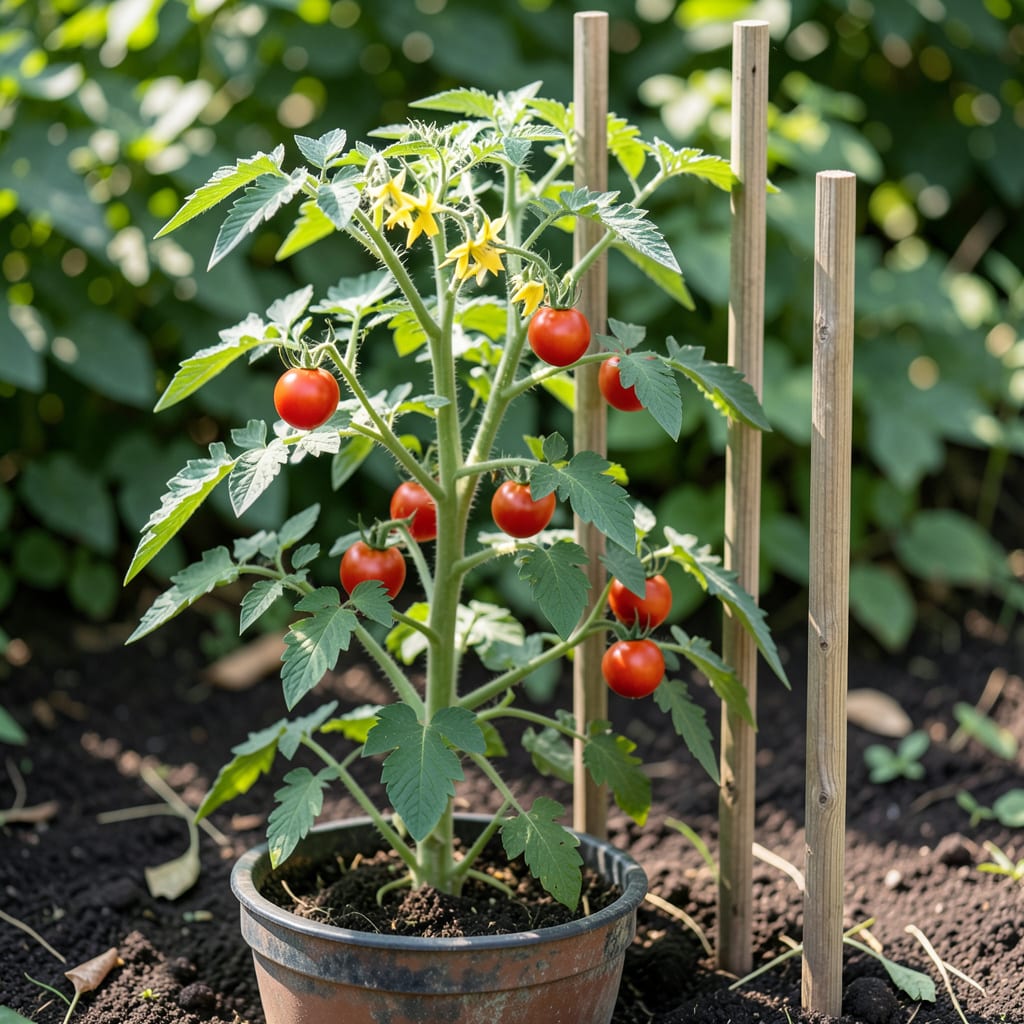
When growing Tomato 🍅 plants, one of the most common questions is about their potential height. The answer depends on several factors, including the variety, growing conditions, and support provided.
In optimal conditions, Tomato plants can grow quite tall, with some varieties reaching heights of 6 feet or more. Understanding these factors can help you maximize your harvest and make the most of your garden space.

Tomato plants can grow to varying heights depending on several key factors. The variety of tomato is one of the most significant determinants, with some types naturally growing taller than others. Understanding these factors helps gardeners make informed decisions about plant care.
The growing conditions also play a crucial role in determining tomato plant height. Factors such as soil quality, sunlight, and water availability can significantly impact growth. Providing optimal conditions can help plants reach their full potential height.
Determinate tomato varieties typically grow to a predetermined height and then stop, usually around 3-4 feet. In contrast, indeterminate varieties continue to grow throughout the season and can reach heights of 6 feet or more if supported properly. The growing conditions, including soil fertility and moisture levels, also impact the final height of the plants.
Using proper support systems like trellises or cages is essential for maximizing the height of indeterminate tomato plants. These supports help keep the plants upright and encourage vertical growth. Additionally, pruning techniques can be employed to direct the plant’s energy towards growing taller rather than bushier.
The climate and weather conditions in your area also affect how tall your tomato plants can grow. Tomatoes need warm temperatures and adequate sunlight to thrive. In regions with long growing seasons, indeterminate varieties have more time to reach their full height potential 🌟.
Nutrient availability is another critical factor. Tomatoes are heavy feeders and require a balanced diet of nutrients to support their growth. Ensuring that the soil is rich in essential nutrients can help plants achieve their maximum height.
Water management is equally important. Consistent moisture levels promote healthy growth, while drought stress can stunt the plants. Mulching around the plants can help retain soil moisture and regulate temperature.
In summary, the height of tomato plants is influenced by a combination of factors including variety, growing conditions, support systems, and pruning techniques. By understanding and optimizing these factors, gardeners can help their tomato plants reach their full growth potential.
For gardeners looking to maximize their tomato plant height, it’s essential to start with healthy seedlings and provide them with the right conditions from the beginning. This includes planting them deep to encourage strong root development and using supports early in the growing season.
By combining these strategies, gardeners can enjoy a bountiful harvest from their tomato plants, whether they are growing determinate or indeterminate varieties 🌿.
To maximize tomato plant height, gardeners should focus on providing optimal growing conditions and proper support. Tomato plants require full sun and well-draining soil to grow tall and healthy. Ensuring that the soil is rich in essential nutrients is also crucial for supporting vigorous growth 🌟.
One effective way to encourage vertical growth is by using trellises or cages. These supports help keep the plants upright and allow them to grow taller. It’s essential to introduce these supports early in the growing season to guide the plants’ development effectively.
Ensure tomato plants receive at least 6 hours of direct sunlight daily. This promotes healthy growth and encourages taller plants.
Implement trellises or cages early in the growing season to support vertical growth and prevent plant sprawl.
Remove lower leaves and weak branches to direct the plant’s energy towards vertical growth and fruit production.
In addition to these tips, maintaining consistent moisture levels is vital. Tomato plants prefer deep watering followed by a period of slight drying out between waterings. This encourages deep root growth, which supports taller plants 🌿.
Fertilization also plays a key role in maximizing tomato plant height. Using a balanced fertilizer that provides essential nutrients will support vigorous growth. It’s important to follow the recommended feeding schedule to avoid over-fertilizing, which can lead to excessive foliage at the expense of fruit production.
By implementing these strategies, gardeners can help their tomato plants achieve their maximum height potential. This not only maximizes garden space but also leads to a more bountiful harvest. With the right care and support, tomato plants can thrive and produce an abundance of delicious fruit 🌟.
Regular monitoring of the plants’ health and adjusting care practices as needed is crucial. This includes watching for signs of nutrient deficiencies or pest infestations, and taking prompt action to address any issues that arise.
By combining optimal growing conditions, proper support, and effective pruning techniques, gardeners can enjoy tall, healthy tomato plants that produce a plentiful harvest. This comprehensive approach ensures that the plants reach their full potential and provide a rewarding gardening experience 🌼.
Gardeners often make several common mistakes that can limit the growth of their tomato plants. Understanding these pitfalls can help you avoid them and ensure your plants reach their full potential height 🌿.
One of the most significant errors is inadequate support for indeterminate varieties. Without proper support, these plants can become too heavy for their stems, leading to breakage and reduced growth. Using trellises or cages can help prevent this issue.
Common mistakes like overwatering and underwatering can both negatively impact tomato plant growth. Finding the right balance is key.
Overwatering is another common mistake that can lead to root rot and other problems, stunting the plant’s growth. On the other hand, underwatering can cause stress, also limiting the plant’s ability to grow tall and healthy. Maintaining consistent moisture levels is crucial.
Poor soil quality can also hinder tomato plant growth. Soil that lacks essential nutrients or has poor drainage can limit the plant’s height. Ensuring the soil is well-prepared with organic matter and balanced fertilizers can help mitigate this issue.
Incorrect pruning techniques can also affect tomato plant height. While pruning is essential for directing the plant’s energy towards fruit production, over-pruning can stress the plant and reduce its growth. It’s essential to follow proper pruning practices to avoid this.
Pest and disease management is another critical aspect. Failing to control pests and diseases can weaken the plants and limit their growth. Regular monitoring and appropriate interventions are necessary to keep the plants healthy 🌟.
By being aware of these common mistakes and taking steps to avoid them, gardeners can create an optimal environment for their tomato plants to thrive and reach their maximum height potential 🌱.
Regularly checking your plants for signs of stress or disease and adjusting your care routine accordingly can make a significant difference in their overall health and productivity.
With careful attention to these details, you can enjoy a bountiful harvest from your tomato plants, whether you’re growing them in containers or in the ground 🌼.
Tomato plants can grow quite tall, with some indeterminate varieties reaching heights of 6 feet or more when given proper support and optimal growing conditions. The exact height depends on factors like variety, soil quality, and pruning techniques. With the right care, many gardeners successfully grow tomatoes that exceed 8 feet in height. Proper support systems are crucial for achieving maximum height .
The variety of tomato significantly impacts its potential height. Determinate varieties typically grow to a predetermined height, usually around 3-4 feet, while indeterminate varieties continue growing throughout the season and can reach much greater heights. Indeterminate varieties require support to achieve their full height potential. Choosing the right variety is key to achieving desired plant height .
Yes, pruning can be used to influence tomato plant height. Pruning techniques can direct the plant’s energy towards vertical growth or encourage bushier plants. Removing lower leaves and weak branches helps promote healthier, taller growth. However, over-pruning can stress the plant, so it’s essential to follow proper pruning practices. Regular pruning also helps maintain plant health and maximize fruit production .
Common mistakes that can limit tomato plant height include inadequate support, overwatering, underwatering, and poor soil quality. Both too much and too little water can stress the plants, while inadequate nutrients can hinder growth. Using proper support systems and maintaining consistent moisture levels are crucial for maximizing height. Regular monitoring helps prevent these issues and ensures healthy plant growth .
