
Beautiful Plants For Your Interior
Beautiful Plants For Your Interior
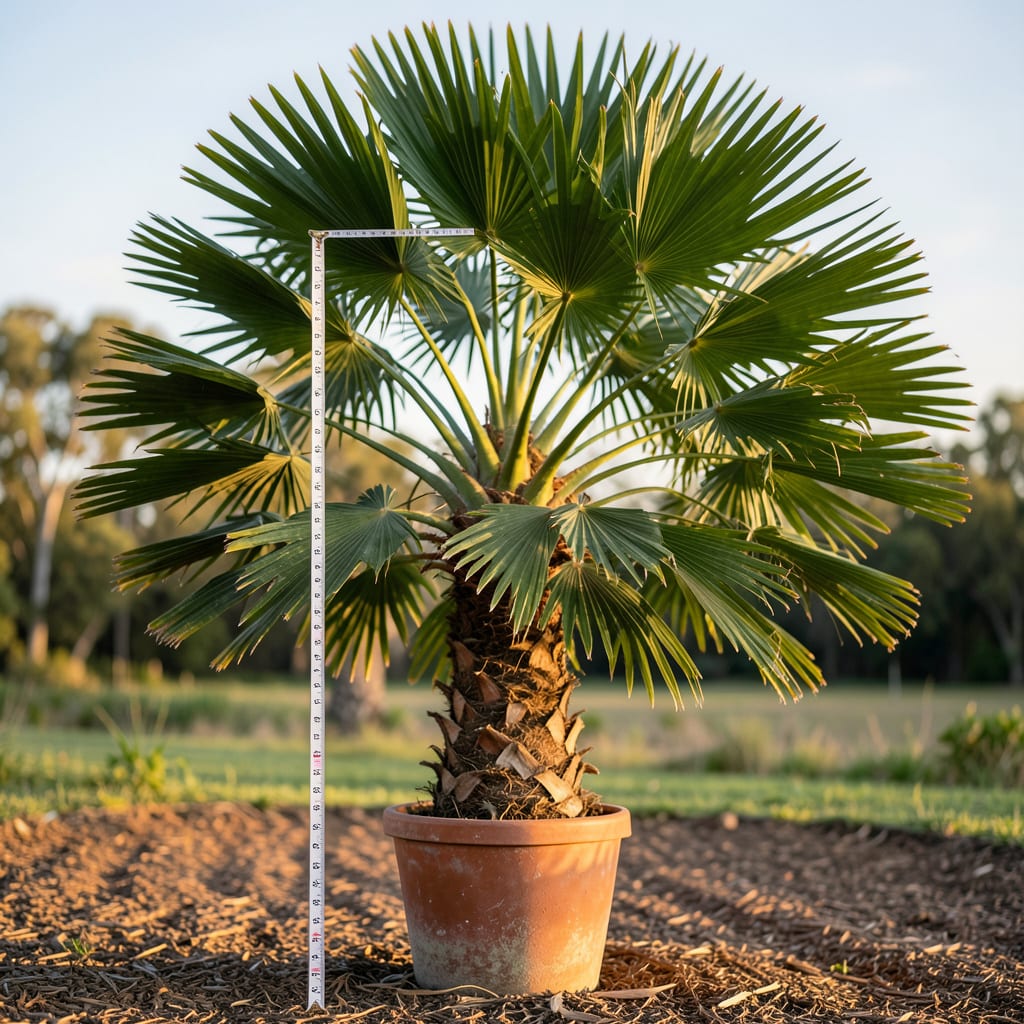
As I stand before a majestic Sabal palm 🌴, I’m struck by its impressive height and resilience. Native to the southeastern United States, this palm tree can thrive in various growing conditions, making it a popular choice for landscaping.
The Sabal palm’s growth habits are fascinating, and understanding its maximum height potential is crucial for gardeners and landscapers. Let’s explore how tall these palms can grow and what factors influence their growth in General areas, particularly in USDA Zone 6.


The Sabal palm is known for its impressive height, making it a popular choice for landscaping in the southeastern United States. Understanding its maximum height potential is crucial for gardeners and landscapers. The Sabal palm can grow to varying heights depending on several factors 🌴.
To provide a clear understanding of the Sabal palm’s height potential, let’s examine the typical and maximum heights these palms can achieve. We’ll also explore the factors that influence their growth in meters. The height of Sabal palms is an essential consideration for those looking to incorporate these trees into their landscape design.
The Sabal palm’s height is influenced by various factors, including soil quality, climate conditions, and maintenance practices. Understanding these factors is essential for optimizing the growth of these palms. In ideal conditions, Sabal palms can reach their maximum height potential, making them a striking feature in any landscape 🌿.
When considering the height of Sabal palms, it is crucial to differentiate between the average height and exceptional cases. While most Sabal palms will reach a certain height range, some may grow taller under the right conditions. This variation is a natural part of the palm’s growth pattern and can be influenced by several environmental and cultural factors.
The height of Sabal palms is not just a matter of aesthetics; it also reflects the overall health and vigor of the tree. Taller palms are often indicative of optimal growing conditions and proper care. As such, understanding the factors that contribute to the height of Sabal palms is vital for anyone looking to cultivate these impressive trees 🌴.
In addition to their height, Sabal palms are also known for their resilience and ability to thrive in various environments. This adaptability makes them a popular choice for landscaping in different regions. By understanding the growth habits of Sabal palms, gardeners and landscapers can make informed decisions about incorporating these trees into their designs.
To further explore the height potential of Sabal palms, let’s examine some of the factors that can influence their growth. These factors include soil quality, climate conditions, and maintenance practices. By optimizing these factors, it is possible to promote healthy growth and maximize the height potential of Sabal palms.
The growth rate of Sabal palms is another important consideration when evaluating their height potential. While these palms can grow at a moderate rate, their overall height is ultimately determined by a combination of genetic and environmental factors. Understanding these factors is key to predicting and managing the height of Sabal palms.
In conclusion, the Sabal palm’s height potential is an important aspect of its growth habits. By understanding the typical and maximum heights these palms can achieve, as well as the factors that influence their growth, gardeners and landscapers can make informed decisions about incorporating these trees into their landscape designs. With proper care and optimal growing conditions, Sabal palms can reach their full height potential and become a stunning feature in any landscape 🌿.
By examining the growth habits of Sabal palms and understanding the factors that influence their height, we can gain a deeper appreciation for these majestic trees. Whether you’re a seasoned gardener or just starting out, the Sabal palm is an excellent choice for adding a touch of elegance and sophistication to your landscape design.
Overall, the Sabal palm’s impressive height and resilience make it a popular choice for landscaping in the southeastern United States. By understanding its growth habits and the factors that influence its height, you can make informed decisions about incorporating these trees into your landscape design.
The height of Sabal palms is influenced by various environmental and cultural factors. Understanding these factors is crucial for optimizing their growth 🌴.
Soil quality plays a significant role in determining the height of Sabal palms. These palms prefer well-draining soil with a slightly acidic to neutral pH. Poor soil conditions can limit their growth potential.
Optimizing soil quality and maintenance practices can help maximize the height potential of Sabal palms.
Climate conditions also impact the height of Sabal palms. These palms thrive in warm, humid environments with adequate rainfall. Extreme weather conditions, such as drought or excessive rain, can affect their growth.
Maintenance practices, including watering and fertilization, are essential for promoting healthy growth in Sabal palms. Regular watering and balanced fertilization can help support their development.
In addition to these factors, the overall health and vigor of the palm tree also play a role in determining its height. Pest management and disease prevention are critical for maintaining the health of Sabal palms.
By understanding and optimizing these factors, gardeners and landscapers can promote healthy growth and maximize the height potential of Sabal palms 🌿.
The interplay between these factors can significantly impact the overall height of Sabal palms. For instance, soil quality can affect the palm’s ability to absorb nutrients, while climate conditions can influence its growth rate.
In conclusion, the height of Sabal palms is influenced by a complex array of factors. By understanding and managing these factors, it is possible to promote healthy growth and maximize their height potential 🌴.
I find that understanding the height potential of Sabal palms is crucial for gardeners and landscapers. The Sabal palm can grow to varying heights depending on several factors 🌴.
To provide a clear understanding of the Sabal palm’s height potential, let’s examine the typical and maximum heights these palms can achieve. We’ll also explore the factors that influence their growth in meters.
The Sabal palm’s height is influenced by various factors, including soil quality, climate conditions, and maintenance practices. Understanding these factors is essential for optimizing the growth of these palms 🌿.
When considering the height of Sabal palms, it’s crucial to differentiate between the average height and exceptional cases. While most Sabal palms will reach a certain height range, some may grow taller under the right conditions.
The height of Sabal palms is not just a matter of aesthetics; it also reflects the overall health and vigor of the tree. Taller palms are often indicative of optimal growing conditions and proper care 🌴.
By understanding and optimizing the factors that influence the height of Sabal palms, gardeners and landscapers can promote healthy growth and maximize their height potential.
In conclusion, the Sabal palm’s height potential is an important aspect of its growth habits. By understanding the typical and maximum heights these palms can achieve, as well as the factors that influence their growth, you can make informed decisions about incorporating these trees into your landscape designs 🌿.
Sabal palms typically grow to be between 9-10 meters tall when fully mature. This height range is considered average for the species and can vary based on growing conditions. Proper care and optimal environmental factors can help a Sabal palm reach its full height potential .
No, Sabal palms have a maximum height potential. While they can grow quite tall, they typically stop growing once they reach their mature height, which can be up to 12 meters in ideal conditions. Factors like soil quality and climate play a significant role in determining their final height .
Sabal palms are considered to have a moderate growth rate, typically growing around 30-60 cm per year. This rate can vary depending on factors such as soil quality, watering, and fertilization. With proper care, Sabal palms can reach their maximum height in 20-30 years .
The height of Sabal palms is influenced by several key factors, including soil quality, climate conditions, and maintenance practices. Optimal growing conditions, such as well-draining soil and adequate rainfall, can significantly impact a palm’s ability to reach its maximum height potential .
