
Beautiful Plants For Your Interior
Beautiful Plants For Your Interior
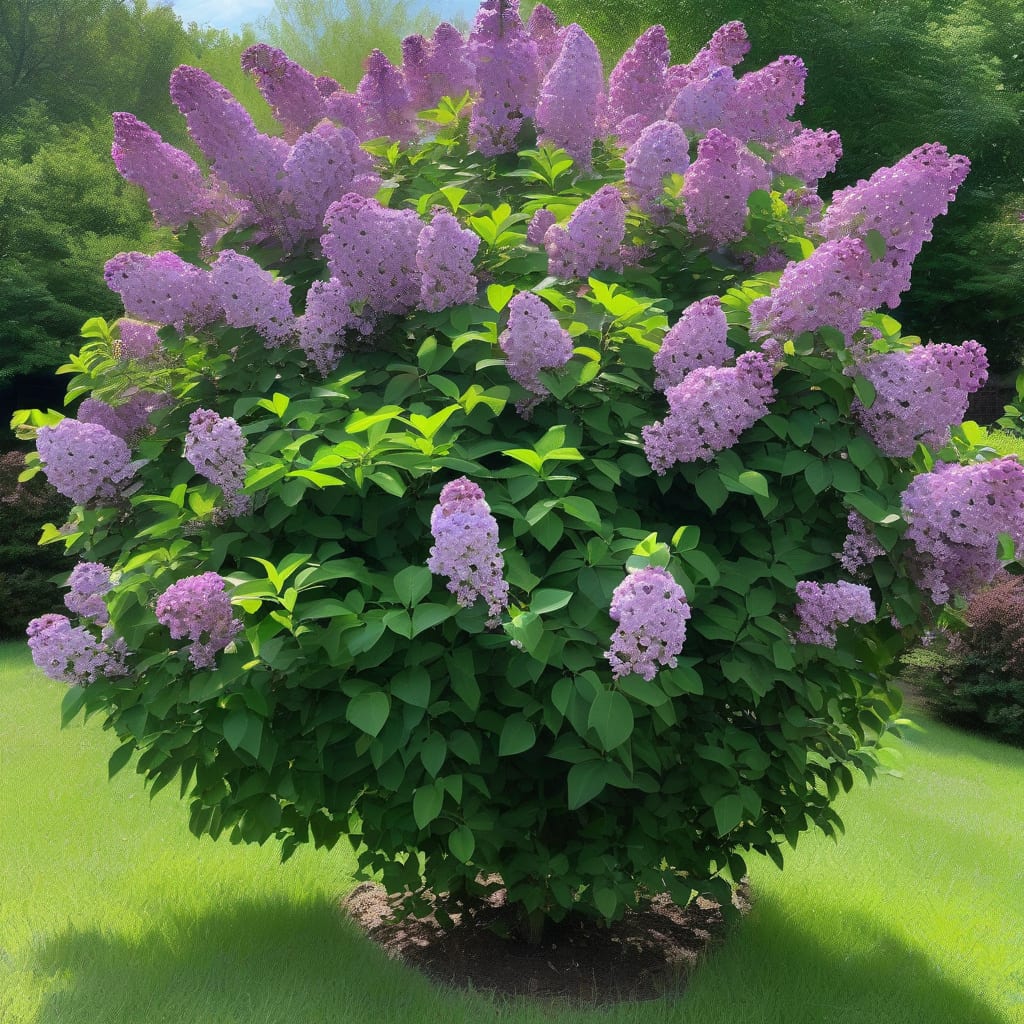
Lilacs 💜 are a gardener’s delight, offering fragrant blooms and lush foliage. But have you ever wondered just how tall these beautiful shrubs can grow?
Understanding lilac growth potential is key to perfect placement in your garden. Let’s explore the factors that influence their height and what you can expect from these stunning plants.

Lilacs are known for their beautiful blooms and can grow to varying heights depending on several factors. Understanding these factors is crucial for gardeners who want to maximize their lilac’s growth potential.
The height of lilac plants can be influenced by soil quality, sunlight exposure, watering practices, and pruning techniques. Each of these elements plays a significant role in determining how tall your lilac will grow 🌿.
Lilac plants typically grow between 8 to 15 feet tall, with some varieties reaching even greater heights when given optimal conditions. The Miss Kim variety, for example, typically means they grow to 8-10 feet tall. Understanding these height variations helps gardeners choose the right variety for their space 🌿.
Several factors contribute to the overall height of lilac plants, including genetic predisposition, environmental conditions, and maintenance practices. By understanding and optimizing these factors, gardeners can encourage their lilacs to reach their maximum potential height.
Lilacs are generally considered medium-sized shrubs, with mature heights typically ranging from 8 to 15 feet. Some varieties can grow taller, while others remain more compact. The standard lilac typically grows to 10-15 feet, while dwarf varieties may only reach 6-8 feet in height.
To achieve the best growth, lilacs require full sun and well-draining soil. They are adaptable to various soil types but perform best in slightly alkaline conditions. Regular watering during the growing season and appropriate pruning practices also contribute to healthy growth and maximum height 🌼.
Pruning is a critical factor in maintaining lilac health and encouraging growth. Proper pruning techniques involve removing dead or diseased branches and shaping the plant to promote air circulation and sunlight penetration. This not only helps maintain the plant’s shape but also encourages new growth, which can contribute to increased height over time.
In addition to pruning, fertilization plays a role in lilac growth. Using a balanced fertilizer in the spring can provide necessary nutrients that support healthy development. However, over-fertilization should be avoided as it can lead to excessive foliage growth at the expense of blooms.
Understanding the growth habits of different lilac varieties is essential for gardeners. Some lilacs are naturally more compact, while others have the potential to grow quite tall. By selecting the right variety for your garden space and providing appropriate care, you can enjoy beautiful blooms and a healthy, thriving lilac plant for years to come 💜.
Overall, lilacs are relatively easy to care for and can add significant beauty and fragrance to any garden. With proper care and attention to the factors that influence their growth, gardeners can enjoy these stunning shrubs at their full potential height.
By following these guidelines and understanding the specific needs of your lilac plants, you can create an optimal growing environment that encourages maximum height and healthy development. Whether you’re a seasoned gardener or just starting out, lilacs can be a rewarding addition to your garden landscape 🌿.
To help lilacs reach their maximum height, gardeners need to focus on proper care techniques and optimal growing conditions. By understanding the specific needs of these beautiful shrubs, you can create an environment that encourages healthy growth and maximum height 🌿.
First, let’s examine the key factors that influence lilac height. The quality of soil, sunlight exposure, and watering practices all play crucial roles in determining how tall your lilac will grow. By optimizing these elements, you can encourage your lilac to reach its full potential.
For maximum height, ensure your lilac receives full sun (6+ hours direct sunlight) and maintain well-draining soil with a pH between 6.0-7.0.
When it comes to maximizing lilac height, fertilization and pruning are critical. Using a balanced fertilizer in the spring can provide necessary nutrients for healthy development. Proper pruning techniques involve removing dead or diseased branches and shaping the plant to promote air circulation and sunlight penetration 🌼.
Different lilac varieties have different growth potentials. Standard lilacs typically grow to 10-15 feet, while dwarf varieties may only reach 6-8 feet in height. Understanding these variations helps gardeners choose the right variety for their space.
Regular watering during the growing season is also essential for promoting vertical growth. Lilacs prefer moist soil but can tolerate some drought. Maintaining the right balance is key to encouraging maximum height.
In addition to these factors, soil amendments can play a role in lilac growth. Adding organic matter like compost can improve soil quality and support healthy development.
By following these expert tips and providing your lilac with the right conditions, you can enjoy a thriving, tall lilac plant that adds beauty and fragrance to your garden for years to come 💜.
Overall, maximizing lilac height requires attention to detail and a commitment to providing optimal care. With the right techniques and conditions, your lilac can reach its full potential and become a stunning addition to your garden landscape 🌿.
Growing lilacs can be a rewarding experience, but certain common mistakes can significantly limit their height potential. By understanding these pitfalls, gardeners can take proactive steps to ensure their lilacs reach their maximum height 🌿.
One of the most critical factors affecting lilac growth is improper pruning techniques. Pruning at the wrong time or cutting back too much can severely stunt growth and reduce overall height. It’s essential to prune lilacs immediately after they finish blooming to avoid cutting off next year’s flower buds.
Avoid pruning lilacs in fall or winter as this can stimulate new growth that won’t have time to harden off before frost, potentially damaging the plant.
Poor soil conditions are another common mistake that can limit lilac growth. Lilacs thrive in well-draining soil with a pH between 6.0 and 7.0. Soil that’s too alkaline or too acidic can affect nutrient availability and stunt growth.
Inadequate sunlight can also be a limiting factor. Lilacs require full sun (at least 6 hours of direct sunlight) to reach their maximum height potential. Shady conditions can lead to leggy growth and reduced flowering.
Over-fertilization is another mistake to avoid. While some fertilization can be beneficial, too much fertilizer can promote excessive foliage growth at the expense of blooms and overall plant health.
By avoiding these common mistakes and providing proper care, gardeners can help their lilacs achieve their full growth potential and enjoy beautiful blooms for years to come 💜.
Regular monitoring and adjustment of gardening practices can make a significant difference in lilac health and height. By understanding the specific needs of these plants, gardeners can create an optimal growing environment 🌼.
