
Beautiful Plants For Your Interior
Beautiful Plants For Your Interior
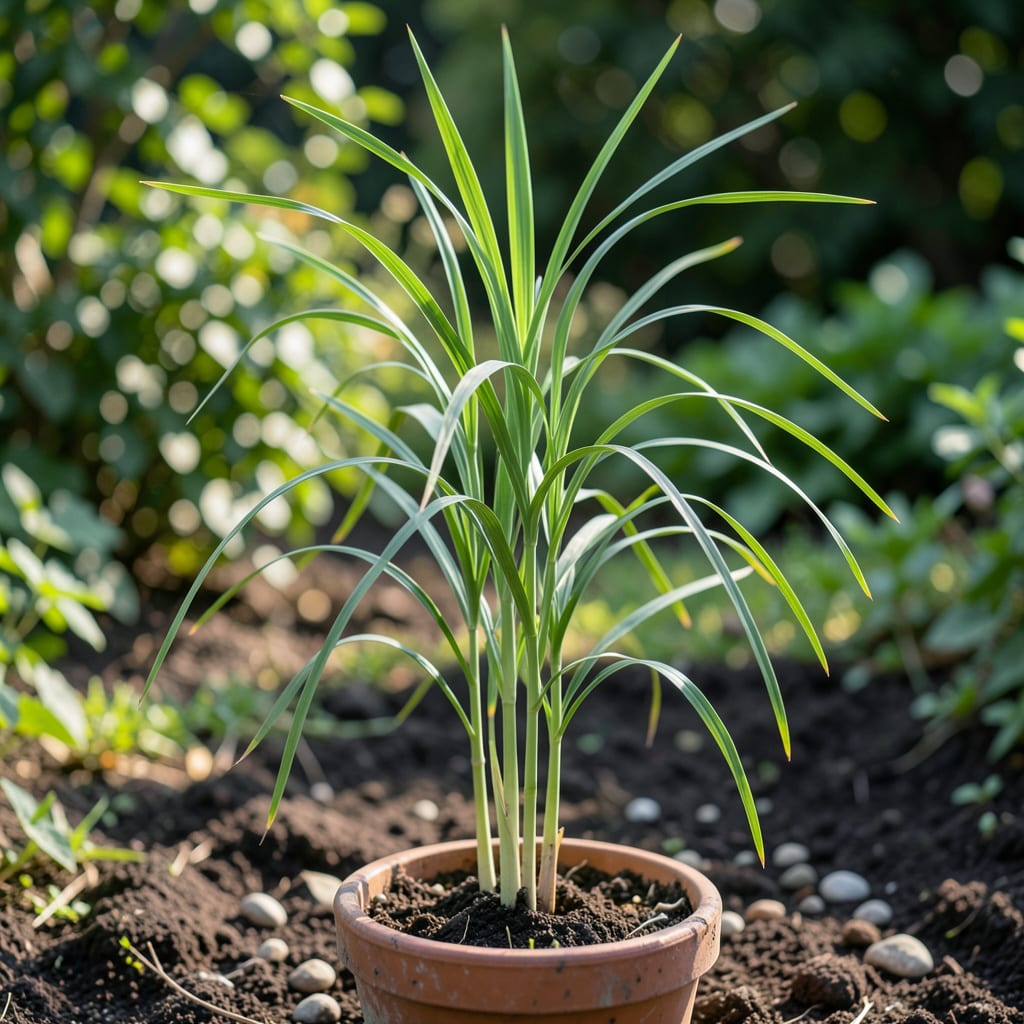
I’ve always been fascinated by the growth potential of Lemongrass 🌿, a tropical grass known for its culinary and medicinal uses. Growing in USDA Zone 6a requires careful planning, but the results can be impressive.
Understanding how tall Lemongrass can grow helps you plan your garden effectively. Let’s explore the factors that influence its height and how to encourage healthy growth.

I’ve always been fascinated by how tall lemongrass can grow. This tropical grass is known for its impressive height, which can reach up to 6 feet in ideal conditions. Understanding the factors that influence its growth helps gardeners plan effectively 🌿.
The maximum height of lemongrass depends on various factors, including climate, soil quality, and maintenance practices. In optimal conditions, with full sun and adequate watering, lemongrass can achieve its full growth potential.
Lemongrass is typically grown for its culinary and medicinal uses. Its height can be managed through regular pruning and division of the clumps. This not only controls its size but also encourages healthier growth 🌱.
Understanding the growth habits of lemongrass is crucial for maximizing its yield. Gardeners should be aware of the factors that affect its height to create optimal growing conditions.
Climate plays a significant role in determining the height of lemongrass. It thrives in tropical and subtropical regions with warm temperatures and high humidity. In cooler climates, its growth is limited, and it may not reach its maximum height.
Soil quality is another critical factor. Lemongrass prefers well-draining soil rich in organic matter. Poor soil conditions can hinder its growth and reduce its height.
Watering practices also impact the height of lemongrass. Consistent moisture is essential, especially during the growing season. Drought conditions can stress the plant and limit its growth.
Maintenance practices, such as pruning and fertilization, can influence the height and overall health of lemongrass. Regular pruning helps control its size and encourages new growth.
In summary, the height of lemongrass is influenced by a combination of factors, including climate, soil quality, watering, and maintenance practices. By understanding and managing these factors, gardeners can optimize the growth of their lemongrass plants 🌿.
For gardeners looking to maximize the height of their lemongrass, providing optimal growing conditions is key. This includes ensuring full sun exposure, maintaining consistent moisture, and practicing regular pruning and fertilization.
By following these guidelines, gardeners can enjoy a bountiful harvest of lemongrass with optimal height and health. Whether grown in containers or in the ground, lemongrass can be a valuable addition to any garden 🌿.
I’ve found that several key factors influence the height of lemongrass plants. Understanding these elements helps gardeners create optimal growing conditions for their plants to thrive 🌿.
The height of lemongrass is primarily determined by factors such as climate, soil quality, watering practices, and maintenance routines. Each of these plays a crucial role in the overall growth and development of the plant.
By understanding and managing these factors, gardeners can optimize the growth of their lemongrass plants. Providing optimal growing conditions is key to maximizing height and overall plant health 🌱.
Climate plays a significant role in determining the height of lemongrass. It thrives in warm temperatures and high humidity, typical of tropical and subtropical regions.
Soil quality is another critical factor. Lemongrass prefers well-draining soil that is rich in organic matter. Poor soil conditions can hinder its growth and reduce its height.
Watering practices also impact the height of lemongrass. Consistent moisture is essential, especially during the growing season. Drought conditions can stress the plant and limit its growth.
Maintenance practices, such as pruning and fertilization, can influence the height and overall health of lemongrass. Regular pruning helps control its size and encourages new growth.
In summary, the height of lemongrass is influenced by a combination of factors, including climate, soil quality, watering, and maintenance practices. By understanding and managing these factors, gardeners can optimize the growth of their lemongrass plants 🌿.
I manage lemongrass height effectively by understanding its growth habits in various conditions. Whether grown in containers or directly in the ground, lemongrass requires specific care to maintain its height and overall health 🌿.
Container gardening is an excellent way to control the height of lemongrass. By using containers, gardeners can limit the root space, which naturally restricts the plant’s overall size. Regular pruning is still necessary to maintain the desired height and encourage bushier growth.
Use containers that are at least 12 inches deep to give lemongrass enough room to grow. Ensure the container has good drainage to prevent waterlogging.
Pruning techniques are essential for managing the height of lemongrass. Regularly cutting back the stalks to about 2-3 inches from the ground encourages new growth and helps maintain a manageable size. This practice also promotes healthier plants by removing old and damaged stalks 🌱.
Managing invasive growth is another critical aspect of controlling lemongrass height. In ideal conditions, lemongrass can spread quickly. Regularly dividing the clumps and removing any invasive shoots helps keep the plant under control and prevents it from overtaking other garden plants.
Soil conditions also play a role in managing lemongrass height. Ensuring the soil is well-draining and rich in organic matter supports healthy growth. Poor soil conditions can lead to weaker plants that may not reach their full height potential.
Watering practices impact the overall health and height of lemongrass. Consistent moisture, especially during the growing season, is crucial. However, overwatering can lead to root rot and other issues, so it’s essential to strike the right balance 💧.
In summary, managing lemongrass height involves a combination of container gardening, pruning techniques, and managing invasive growth. By implementing these strategies, gardeners can enjoy healthy and productive lemongrass plants 🌿.
For gardeners looking to optimize their lemongrass growth, providing the right conditions and regular maintenance is key. This includes ensuring adequate sunlight, maintaining consistent moisture, and practicing regular pruning and division.
By following these guidelines, gardeners can effectively manage the height of their lemongrass and enjoy its many benefits. Whether used in cooking or for medicinal purposes, lemongrass is a valuable addition to any garden 🌿.
Lemongrass thrives in tropical and subtropical regions with warm temperatures and high humidity. In cooler climates, its growth is limited. Providing full sun and adequate watering helps it reach its full potential .
Lemongrass requires consistent moisture, especially during the growing season. Watering every 2-3 days in summer and weekly in cooler months helps maintain optimal conditions. Avoid overwatering to prevent root rot .
Yes, using containers is an effective way to control lemongrass height. Limiting the root space naturally restricts the plant’s size. Choose containers that are at least 12 inches deep with good drainage to support healthy growth .
Regularly cutting back the stalks to about 2-3 inches from the ground encourages new growth and helps maintain a manageable size. This practice also promotes healthier plants by removing old and damaged stalks .
