
Beautiful Plants For Your Interior
Beautiful Plants For Your Interior
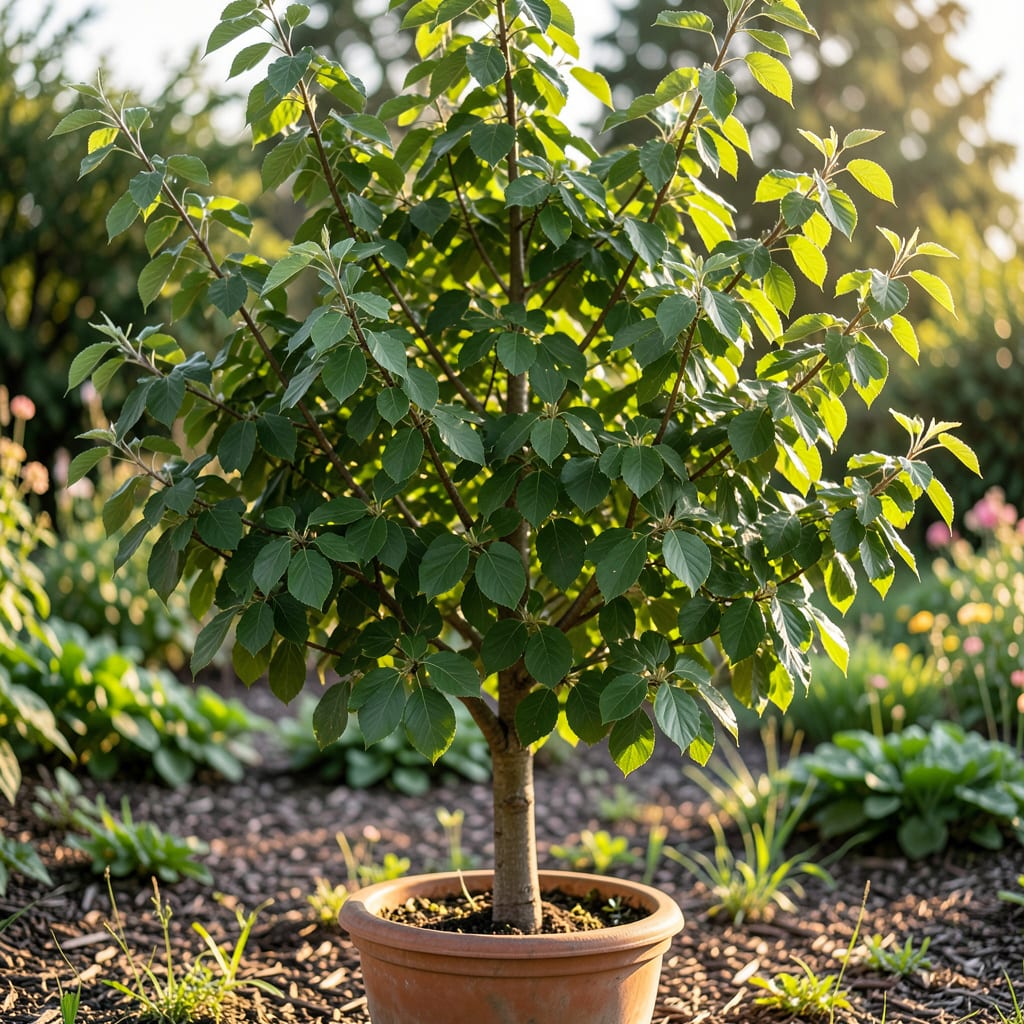
Cherry trees 🌳 can be a stunning addition to any garden, but have you ever wondered just how tall they can grow? Understanding their growth potential is crucial for proper planning and maintenance.
The height of cherry trees varies significantly based on factors like variety and growing conditions. Let’s explore what influences their growth and how you can maintain healthy, thriving trees in your garden.

Cherry trees can grow to varying heights depending on several key factors. Understanding these factors is crucial for gardeners to make informed decisions about tree selection and care. The primary influences on cherry tree height include the tree’s variety, soil quality, and climate conditions 🌳.
The specific variety of cherry tree plays a significant role in determining its potential height. Different types of cherry trees have distinct growth characteristics that affect their maximum height. For example, dwarf varieties are bred to remain smaller, while standard varieties can grow much taller 🌟.
Soil quality is another critical factor that influences cherry tree growth. Trees planted in nutrient-rich soil with good drainage tend to grow healthier and potentially taller than those in poor soil conditions. Regular soil testing can help identify necessary amendments to optimize growth 🌱.
Climate conditions, including temperature, sunlight, and moisture levels, also play a significant role in determining how tall a cherry tree can grow. Cherry trees generally thrive in full sun and well-drained soil, with adequate moisture during the growing season ☀️.
The rootstock used for grafting can also impact the overall height of the tree. Different rootstocks have varying levels of vigor that can influence the tree’s growth potential. Gardeners should consider the rootstock’s characteristics when selecting a cherry tree to ensure it meets their space and growth requirements 🌿.
By understanding these factors, gardeners can better predict and manage the height of their cherry trees, ensuring they remain healthy and thrive in their garden or landscape 🌻.
Additional factors such as pruning practices and overall tree health also contribute to the final height of cherry trees. Proper pruning techniques can help control the tree’s size while maintaining its health and productivity 🌟.
It’s essential to research the specific needs and characteristics of the cherry tree variety you’re growing to optimize its growth potential. This includes understanding its mature height, growth rate, and any specific care requirements 📚.
By combining the right variety with proper care and maintenance, gardeners can enjoy healthy, thriving cherry trees that reach their full growth potential. Regular monitoring and adjustments to care practices can help achieve the desired height while maintaining the tree’s overall health 🌳.
Cherry trees can be a long-term investment in your garden, providing beauty and fruit for years to come. Understanding their growth habits and potential height is key to making the most of these wonderful trees 🌼.
In conclusion, the height of cherry trees is influenced by a combination of factors including variety, soil quality, climate conditions, and care practices. By understanding and managing these factors, gardeners can cultivate healthy, productive cherry trees that enhance their garden or landscape 🌻.
Cherry trees come in various types, each with its own growth characteristics and maximum height potential. Understanding these differences is essential for gardeners to choose the right variety for their space and needs 🌳.
The height of cherry trees can vary significantly based on their variety. Let’s explore the typical height ranges for different types of cherry trees and what factors influence their growth 🌟.
Dwarf cherry trees are perfect for smaller gardens or container growing. They typically reach heights between 8-12 feet, making them ideal for spaces with height restrictions 🌻.
Semi-dwarf cherry trees offer a compromise between compact size and fruit production. They usually grow to be between 12-18 feet tall, providing a moderate height that works well in many garden settings 🌼.
Standard cherry trees are the largest variety and can grow up to 25 feet or more in ideal conditions. They require more space but can be a stunning centerpiece in larger gardens 🌳.
The rootstock used for grafting cherry trees can also influence their final height. Different rootstocks have varying levels of vigor that can affect the tree’s growth potential. Gardeners should consider the rootstock’s characteristics when selecting a cherry tree 🌿.
Climate conditions and soil quality also play significant roles in determining the maximum height of cherry trees. Trees grown in optimal conditions with full sun and well-drained soil tend to reach their full height potential ☀️.
By understanding the growth potential of different cherry tree varieties, gardeners can make informed decisions about which type to plant and how to care for them to achieve the desired height 🌟.
Regular pruning practices can help manage the height of cherry trees while maintaining their health and productivity. Proper pruning techniques are essential for controlling the tree’s size and promoting optimal growth 🌿.
In summary, the maximum height potential of cherry trees varies by variety, with dwarf trees being the shortest and standard trees being the tallest. By choosing the right variety and providing optimal growing conditions, gardeners can enjoy healthy, thriving cherry trees that reach their full growth potential 🌼.
Managing the height of cherry trees is crucial for maintaining their health and productivity. Proper pruning techniques can help control the tree’s size while promoting optimal growth 🌳.
Pruning should be done annually to maintain the desired height and shape of the tree. It’s essential to remove any dead or diseased branches to prevent damage and encourage healthy growth 🌟.
Prune your cherry tree during its dormant season to minimize stress and promote healthy growth.
Training young cherry trees is also vital for managing their height. By selecting a central leader and removing competing branches, you can help the tree develop a strong structure 🌿.
Regular maintenance pruning helps maintain the tree’s shape and size. This includes removing any suckers or water sprouts that can grow vigorously and alter the tree’s shape 🌻.
Thinning fruit can also impact the tree’s growth. By reducing the number of fruits, you can direct the tree’s energy towards growth and development rather than fruit production 🍒.
It’s also important to consider the rootstock when managing cherry tree height. Different rootstocks have varying levels of vigor that can influence the tree’s growth potential 🌟.
By combining proper pruning, training, and maintenance practices, gardeners can effectively manage the height of their cherry trees while ensuring they remain healthy and productive 🌳.
Regular monitoring and adjustments to care practices can help achieve the desired height while maintaining the tree’s overall health. This includes being mindful of pest and disease management to prevent any issues that could impact growth 🌼.
In conclusion, managing cherry tree height requires a combination of proper pruning, training, and maintenance practices. By understanding and implementing these techniques, gardeners can enjoy healthy, thriving cherry trees that enhance their garden or landscape 🌻.
Most cherry trees typically grow between 15-25 feet tall when fully mature. However, this can vary significantly based on the specific variety and growing conditions. Some dwarf varieties remain much shorter, around 8-12 feet .
Cherry trees generally take between 5-10 years to reach their mature height, depending on factors like soil quality, climate, and pruning practices. Dwarf varieties tend to mature faster than standard trees. Proper care can help them reach their full potential more quickly .
Yes, regular pruning is an effective way to manage cherry tree height. Prune during the dormant season to maintain shape and size while promoting healthy growth. Remove dead or diseased branches and thin out crowded areas to improve air circulation .
Absolutely! The rootstock used for grafting can significantly influence the tree’s final height. Different rootstocks have varying levels of vigor that can impact growth potential. Dwarfing rootstocks are used to keep trees smaller, while more vigorous rootstocks allow for taller growth .
