
Beautiful Plants For Your Interior
Beautiful Plants For Your Interior
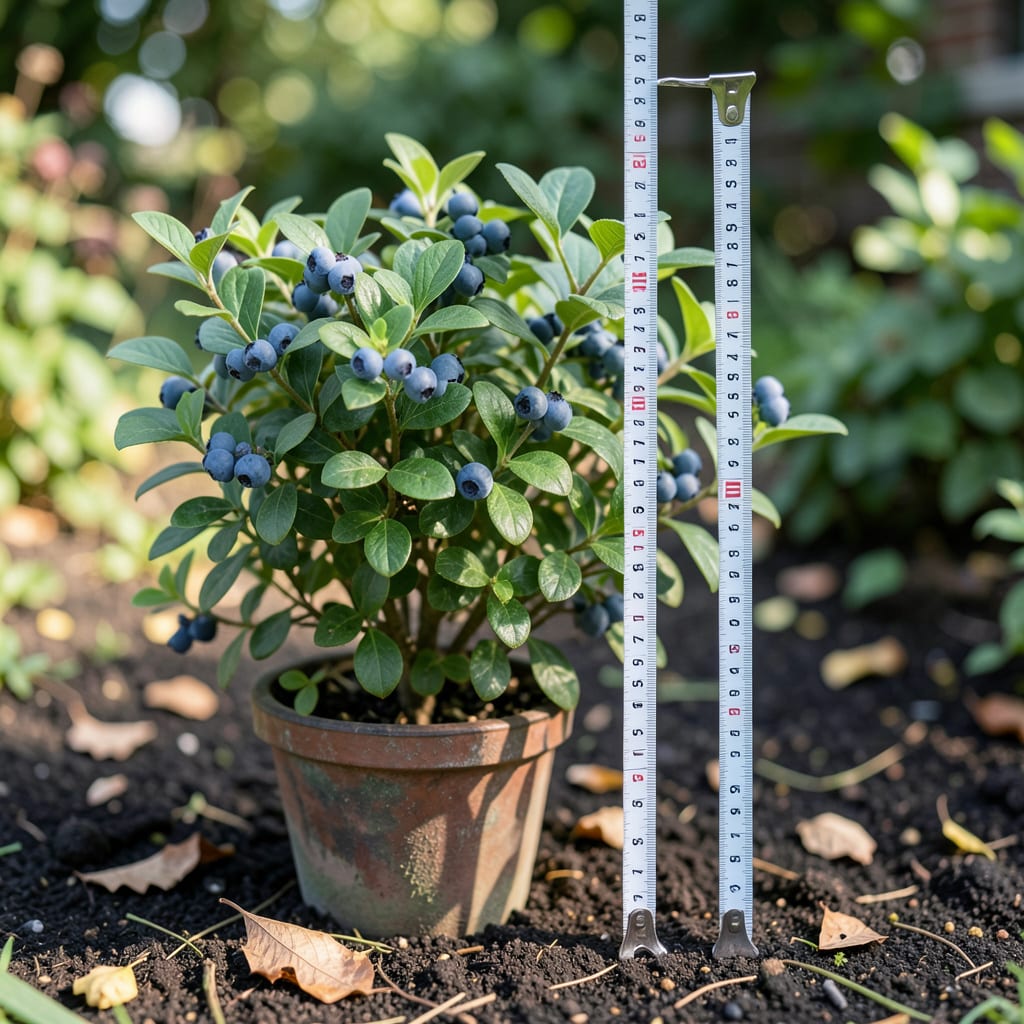
When growing blueberry bushes 🫐, understanding their potential height is crucial for proper garden planning. In USDA Zone 6, these shrubs can grow between 2-6 feet tall, depending on the variety and growing conditions.
Factors like soil quality, pruning practices, and climate impact their mature size. Let’s explore how to manage their growth for optimal health and fruit production.


Understanding how tall blueberry bushes can grow requires examining several key factors that influence their height. The variety selection is perhaps the most significant factor, as different types of blueberry bushes have varying growth habits.
Soil conditions also play a crucial role in determining the height of blueberry bushes. These plants thrive in acidic soil with a pH between 4.0 and 5.5, and poor soil quality can limit their growth potential.
Climate impact is another significant factor affecting blueberry bush height. These plants prefer cool, moist conditions and can struggle in extreme heat or dry environments. Proper water management is essential to maintain optimal growth.
The age of the plant also influences its height. Blueberry bushes typically take 3-5 years to reach their mature height after planting. During this time, they require careful maintenance to ensure they reach their full potential.
Pruning practices significantly impact blueberry bush height. Annual pruning helps maintain the desired height while promoting healthy growth and maximizing fruit production. Proper pruning techniques can control the overall size of the bush.
In addition to pruning, fertilization strategies affect blueberry bush height. Using acidic fertilizers specifically formulated for blueberries supports their nutritional needs and promotes healthy growth.
Blueberry bushes generally require full sun to produce well, and adequate sunlight exposure contributes to their overall height and productivity. Proper spacing between plants also allows for good air circulation and optimal growth.
The mature height of blueberry bushes varies by variety: dwarf varieties typically grow 2-3 feet tall, while standard varieties can reach 5-6 feet. Understanding these height expectations helps in planning garden layouts.
Regular maintenance, including monitoring for pests and diseases, is crucial for maintaining healthy blueberry bushes at their optimal height. Proper care ensures that the bushes continue to thrive and produce fruit effectively.
By considering these factors and implementing appropriate care strategies, gardeners can effectively manage the height of their blueberry bushes and enjoy a bountiful harvest. Regular attention to the needs of these plants pays off in their productivity and overall health 🌿.
To effectively manage blueberry bush height, gardeners must employ proper pruning techniques. Pruning not only controls the size of the bush but also promotes healthy growth and maximizes fruit production. The best time to prune is during the dormant season, typically in late winter or early spring 🌿.
When pruning, remove any dead or diseased branches first. This helps prevent the spread of disease and encourages the bush to focus its energy on healthy growth. Next, thin out older branches to allow more sunlight penetration and air circulation within the bush.
Cut out any dead, diseased, or damaged branches at the base to promote healthy growth.
Remove older branches to encourage new growth and improve air circulation within the bush.
Maintain the desired shape by cutting back overgrown branches and encouraging an open center.
Spacing considerations are also vital when managing blueberry bush height. Planting bushes 3-4 feet apart allows for adequate air circulation and sunlight penetration, which are crucial for healthy growth and fruit production.
Fertilization strategies play a significant role in maintaining optimal blueberry bush height. Using acidic fertilizers specifically formulated for blueberries supports their nutritional needs and promotes healthy growth. Fertilize in early spring and again after harvest, following the manufacturer’s instructions.
Regular monitoring for pests and diseases is essential for maintaining healthy blueberry bushes at their optimal height. Common pests include aphids and spider mites, while diseases like powdery mildew and botrytis can also affect bush health.
By implementing these strategies, gardeners can effectively manage the height of their blueberry bushes, ensuring they remain healthy and productive. Proper care and maintenance are key to enjoying a bountiful harvest of delicious blueberries 🫐.
Effective management of blueberry bush height not only improves fruit production but also enhances the overall appearance of the garden. By following these guidelines, gardeners can create a thriving and productive blueberry patch that will provide enjoyment for years to come.
Understanding the mature height of different blueberry varieties is essential for effective garden planning. Blueberry bushes come in various types, each with its own growth characteristics and height expectations.
The dwarf varieties of blueberry bushes are perfect for small gardens or container gardening. They typically grow to be 2-3 feet tall, making them a great choice for limited spaces.
Semi-dwarf varieties offer a compromise between size and fruit production. They usually reach heights of 3-4 feet, making them suitable for a variety of garden layouts.
Standard blueberry varieties are known for their robust growth and high fruit yield. They can grow up to 5-6 feet tall, making them ideal for larger garden spaces where they have room to mature.
When selecting a blueberry variety, consider the mature height in relation to your garden’s space and conditions. Proper planning ensures that your blueberry bushes have enough room to grow and thrive.
By understanding the height expectations of different blueberry varieties, gardeners can make informed decisions about which types to plant and how to care for them effectively 🌿.
Blueberry bushes typically grow between 2-6 feet tall, depending on the variety and growing conditions. Dwarf varieties usually reach 2-3 feet, while standard varieties can grow up to 5-6 feet tall. Proper care and maintenance can help them reach their full potential.
Prune your blueberry bushes annually during their dormant season, typically in late winter or early spring. This helps maintain their desired height, promotes healthy growth, and maximizes fruit production. Regular pruning is essential for optimal bush health.
Yes, you can grow blueberry bushes in containers! Choose a dwarf or semi-dwarf variety that’s suitable for container gardening. Ensure the container is at least 12-18 inches deep and has good drainage. Use acidic potting mix and follow proper care instructions.
Blueberry bushes typically take 3-5 years to reach their mature height after planting. During this time, they require careful maintenance, including regular watering, fertilization, and pruning, to ensure they reach their full potential. Be patient and enjoy the journey!
