
Beautiful Plants For Your Interior
Beautiful Plants For Your Interior
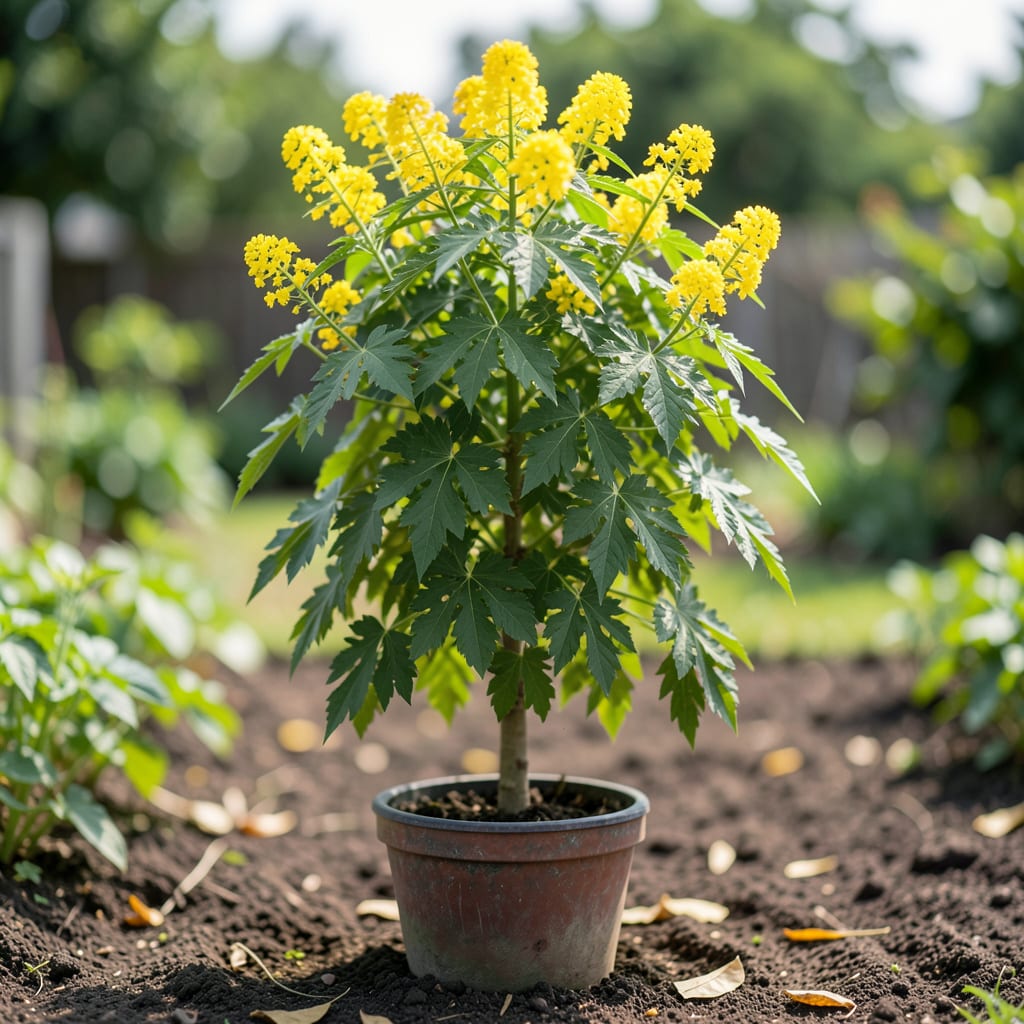
As I explore the fascinating world of gardening, I’m often asked about the height potential of various plants. The Mustard 🌱 plant, with its rich history and symbolic significance, is particularly intriguing when it comes to understanding its growth habits.
In USDA zone 6a, where spring 🌱 planting typically occurs between March and April, Mustard plants can grow to varying heights depending on conditions. Let’s dive into the factors that influence their growth and explore what you can expect from these remarkable plants.


When considering how tall a mustard tree can grow, it’s essential to understand that the term “mustard tree” often refers to plants that aren’t technically trees but rather shrubs or large herbs. The height potential of these plants can vary significantly based on several factors.
The actual height of mustard plants typically ranges between 2 to 4 feet, with some varieties growing taller under ideal conditions. In USDA zone 6a, where spring planting occurs between March and April, these plants can reach their maximum height within a few months.
The height of mustard plants is influenced by factors such as soil quality, sunlight exposure, and cultivation practices. Understanding these elements is crucial for gardeners looking to optimize their mustard plant growth.
Different varieties of mustard plants exhibit varying growth habits. Some compact varieties are bred for container gardening and may reach heights of 1-2 feet, while others grown in open fields can achieve greater heights.
Mustard plants are known for their rapid growth rate, often reaching maturity within 60 days of planting. This quick development contributes to their ability to achieve significant heights in a relatively short period.
In ideal growing conditions, with full sun and well-drained soil, mustard plants can grow exceptionally tall. Gardeners should be prepared to provide support for taller varieties to prevent them from toppling over.
The average height of most mustard plant varieties falls within the 2 to 3 feet range, making them suitable for a variety of garden settings. Their height, combined with their bright yellow flowers, adds visual interest to gardens.
When planning a garden, it’s helpful to consider the mature height of mustard plants to ensure proper spacing and placement. Their relatively modest height makes them versatile for various garden designs.
Understanding the maximum height potential of mustard trees allows gardeners to make informed decisions about their garden layout and plant selection. By choosing the right variety and providing optimal growing conditions, gardeners can enjoy healthy, robust mustard plants.
For those interested in growing mustard plants for culinary purposes, their height is just one aspect to consider. The plants’ leaves and seeds are valuable for cooking and can be harvested at different stages of growth.
In conclusion, while mustard plants may not grow into towering trees, they can achieve impressive heights that add beauty and functionality to gardens. By understanding their growth potential and needs, gardeners can cultivate these plants effectively.
When exploring how tall a mustard tree can grow, it’s crucial to understand the various environmental factors that influence its height. Mustard plants, while not actual trees, can achieve significant heights under the right conditions 🌿.
The soil quality plays a vital role in determining the height of mustard plants. Well-drained, fertile soil rich in organic matter allows these plants to grow more robustly and reach their maximum potential height 🌱.
Mustard plants can grow taller when they receive adequate sunlight and are planted in cooler temperatures.
Sunlight exposure is another critical factor affecting the growth height of mustard plants. These plants thrive in full sun, requiring at least 6 hours of direct sunlight daily to achieve optimal growth.
The cultivation practices employed by gardeners also significantly impact the height of mustard plants. Proper spacing, regular watering, and appropriate fertilization can all contribute to healthier, taller plants 🌻.
Different varieties of mustard plants have unique growth habits. Some compact varieties are bred for container gardening and may reach heights of 1-2 feet, while others grown in open fields can achieve greater heights.
Understanding these factors helps gardeners create optimal conditions for their mustard plants to grow tall and healthy. By providing the right environment and care, gardeners can enjoy the full growth potential of these remarkable plants.
For gardeners looking to maximize their mustard plant’s height, it’s essential to monitor and adjust the growing conditions throughout the plant’s life cycle.
By considering these factors and adapting gardening practices accordingly, individuals can cultivate mustard plants that not only reach impressive heights but also contribute to a thriving garden ecosystem.
When exploring how tall a mustard tree can grow, it’s essential to consider both the botanical reality and the symbolic significance in religious texts. The mustard tree, often referenced in biblical parables, has sparked curiosity about its actual height 🌿.
From a botanical standpoint, mustard plants typically grow between 2 to 4 feet tall, with some varieties reaching up to 6 feet under ideal conditions. This growth is influenced by factors such as soil quality, sunlight exposure, and cultivation practices.
The height of mustard plants varies significantly between different varieties and growing conditions, ranging from 1-2 feet for compact varieties to up to 6 feet for some field-grown types.
The biblical reference to mustard trees often uses their growth as a metaphor for spiritual growth and faith. While the actual height may not be as significant as the symbolic meaning, understanding the plant’s growth habits provides valuable context 🌻.
Different varieties of mustard plants exhibit varying growth habits. Some compact varieties are bred for container gardening, while others grown in open fields can achieve greater heights. This diversity allows gardeners to choose varieties that suit their specific needs.
For gardeners, understanding the factors that influence mustard plant height is crucial. By providing optimal growing conditions, including full sun and well-drained soil, gardeners can help their mustard plants reach their full potential.
The comparison between the actual height of mustard trees and their biblical representation highlights the importance of context in understanding religious parables. While the plants may not grow to extraordinary heights, their significance extends beyond physical measurements.
By examining both the botanical facts and the symbolic meanings, we gain a deeper appreciation for the role of mustard trees in cultural and religious narratives. This understanding enriches our perspective on the natural world and its connection to human experience 🌱.
Mustard plants usually grow between 2 to 4 feet tall, with some varieties reaching up to 6 feet in ideal conditions. The height varies based on factors like soil quality and sunlight exposure. Proper care can help them reach their maximum potential height.
Soil quality plays a crucial role in determining mustard plant height. Well-drained, fertile soil rich in organic matter allows these plants to grow more robustly and reach their maximum potential height. Poor soil conditions can limit their growth.
While mustard plants can tolerate some shade, they thrive in full sun, requiring at least 6 hours of direct sunlight daily to achieve optimal growth. Partial shade may result in weaker and less tall plants.
Yes, some compact varieties are bred for container gardening and may reach heights of 1-2 feet. These varieties are ideal for small gardens or indoor containers. They still provide the benefits of mustard plants in limited spaces.
