
Beautiful Plants For Your Interior
Beautiful Plants For Your Interior
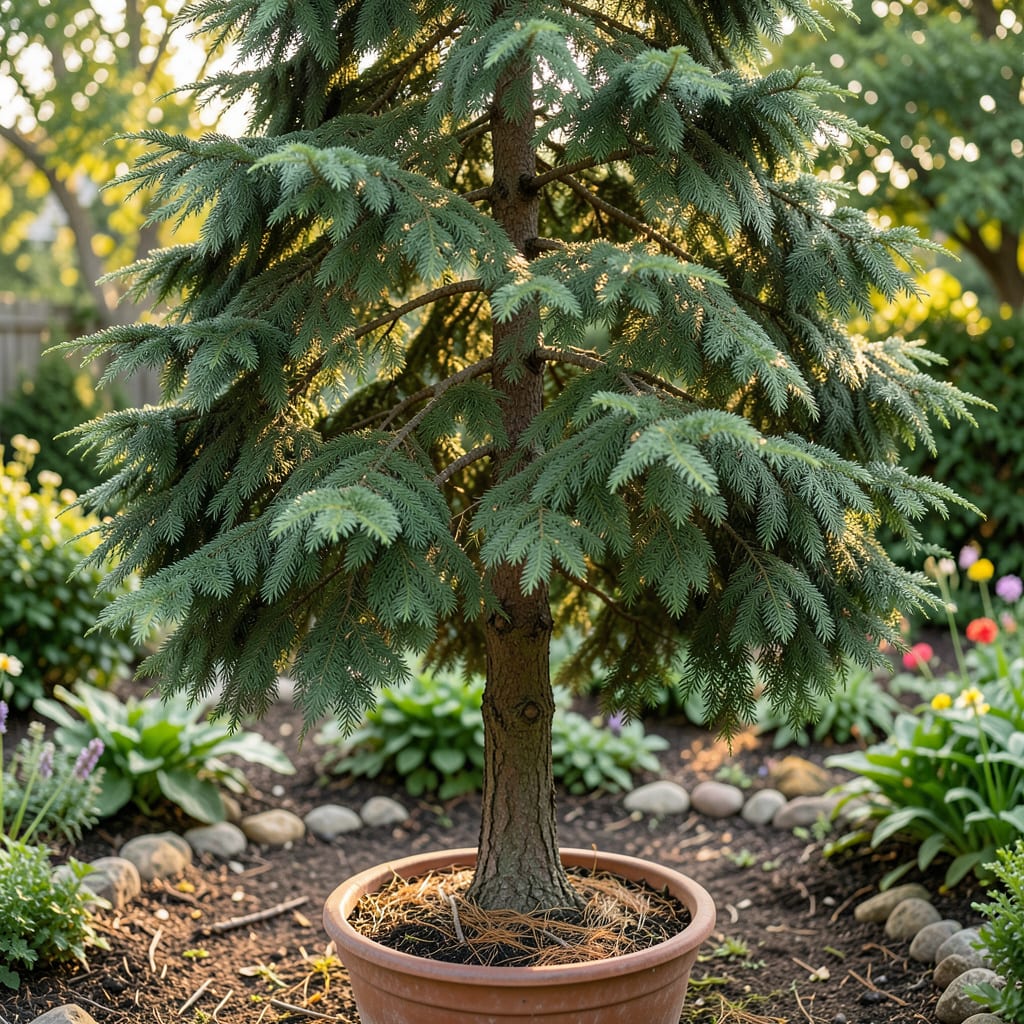
When I think about majestic trees that can transform landscapes, the Cedar Tree 🌲 comes to mind. These stunning trees are known for their impressive height, but have you ever wondered just how tall they can grow?
In this guide, we’ll explore the growth habits of Cedar Trees, including their average and maximum heights, and what factors influence their growth in USDA Zone 6. Let’s dive in and discover the secrets to these natural giants.


Cedar trees are known for their impressive height, but what factors influence how tall they can grow? The height of a cedar tree is determined by a combination of genetic factors, environmental conditions, and proper care. Understanding these factors is crucial for cultivating healthy, tall cedar trees 🌲.
The species of cedar tree plays a significant role in determining its maximum height. Different species have varying growth potentials, with some naturally growing taller than others. For example, the Atlas Cedar can grow taller than the Lebanon Cedar. Climate and soil conditions also significantly impact a cedar tree’s height, as they affect the tree’s overall health and growth rate 📈.
The climate in which a cedar tree is grown significantly affects its height. Cedar trees thrive in temperate climates with adequate rainfall and moderate temperatures. Soil conditions, including drainage and nutrient availability, also play a crucial role in determining a cedar tree’s maximum height 🌱.
Proper care and maintenance are essential for helping cedar trees reach their full height potential. This includes regular watering, fertilization, and pruning to ensure the tree remains healthy and grows vigorously. By understanding and addressing these factors, you can cultivate tall, healthy cedar trees that enhance your landscape 🌳.
Cedar trees are known for their ability to grow in various conditions, but optimal care can significantly impact their height. By providing the right conditions and care, you can help your cedar trees reach impressive heights that are both beautiful and beneficial for your landscape 🌲.
The height of cedar trees can vary significantly based on the factors discussed. By understanding these factors, you can better appreciate the growth potential of these magnificent trees and take steps to ensure they reach their maximum height 🌟.
In conclusion, the height of a cedar tree is influenced by a combination of genetic, environmental, and care-related factors. By understanding and addressing these factors, you can cultivate tall, healthy cedar trees that enhance your landscape and provide numerous benefits 🌳.
By providing optimal conditions and proper care, you can help your cedar trees thrive and reach their full height potential. This not only enhances the beauty of your landscape but also contributes to the overall health and sustainability of your environment 🌱.
Overall, cedar trees are a valuable addition to any landscape, providing beauty, shade, and numerous ecological benefits. By understanding the factors that influence their height, you can make informed decisions about planting and caring for these magnificent trees 🌲.
Cedar trees continue to be a popular choice for landscaping due to their impressive height and numerous benefits. By understanding how to cultivate and care for these trees, you can enjoy their beauty and benefits for years to come 🌳.
Cedar trees are known for their impressive height, but different species can grow to varying maximum heights. Understanding these differences is essential for selecting the right cedar tree for your landscaping needs 🌲.
The height of cedar trees can vary significantly based on their species. Some species naturally grow taller than others, and factors such as climate and soil conditions also play a crucial role 📈.
The Atlas Cedar is known for its impressive height, reaching average heights of 40-60 feet and maximum heights of up to 80 feet 🌳.
In contrast, the Lebanon Cedar typically grows to average heights of 30-50 feet, with a maximum height of around 60 feet 🌲.
The Western Red Cedar is another popular species, known for its ability to grow to significant heights, with averages ranging from 50-70 feet and maximum heights reaching up to 100 feet in ideal conditions 🌟.
Understanding the growth potential of different cedar tree species is crucial for making informed decisions about which tree to plant in your landscape 🌳.
By selecting the right cedar tree species for your specific needs and conditions, you can ensure that your tree reaches its full height potential and provides the desired benefits for years to come 🌲.
Cedar trees continue to be a popular choice for landscaping due to their impressive height and numerous ecological benefits. By understanding the growth habits of different cedar tree species, you can make informed decisions about planting and caring for these magnificent trees 🌲.
In conclusion, the maximum height of cedar trees varies significantly based on the species, with some growing taller than others. By understanding these differences, you can select the right cedar tree for your landscaping needs and ensure it reaches its full height potential 🌟.
Growing tall, healthy cedar trees requires careful planning and maintenance. To help your cedar trees reach their full height potential, it’s essential to understand their specific needs and provide the right conditions 🌲.
First, I recommend selecting the right cedar tree species for your climate and soil type. Different species have varying growth habits and requirements, so choosing the right one is crucial for success 📈.
Cedar trees prefer well-drained soil to prevent root rot. Ensure your planting area has good drainage by adding organic matter like compost 🌱.
Cedar trees thrive in full sun, so choose a location that receives at least 6 hours of direct sunlight daily ☀️.
Regular watering is crucial during the first year after planting. Water deeply once or twice a week, depending on weather conditions 💧.
By following these tips, you can help your cedar trees grow tall and healthy, reaching their full height potential and enhancing your landscape 🌳.
Proper care and maintenance are essential for the long-term health and growth of cedar trees. By understanding their needs and providing the right conditions, you can enjoy the beauty and benefits of these magnificent trees for years to come 🌲.
Cedar trees are a valuable addition to any landscape, providing numerous ecological benefits and aesthetic appeal. By following the tips outlined above, you can cultivate tall, healthy cedar trees that thrive in your environment 🌟.
In conclusion, growing tall, healthy cedar trees requires careful planning, proper care, and maintenance. By understanding their specific needs and providing the right conditions, you can help your cedar trees reach their full height potential and enhance your landscape 🌳.
Cedar trees can grow to varying heights depending on the species. On average, a mature cedar tree can reach heights of 60 feet, with some species growing even taller. The height is influenced by factors like climate, soil quality, and care.
The time it takes for a cedar tree to reach its maximum height varies depending on the species and growing conditions. Generally, cedar trees can take 50 to 100 years to reach maturity. Proper care and optimal conditions can help them grow faster.
While cedar trees can live for centuries, their growth rate slows down significantly as they mature. They don’t continue to grow indefinitely, but they can still add new growth each year. With proper care, cedar trees can remain healthy and continue to thrive for a long time.
Several factors influence the height of a cedar tree, including species, climate, soil quality, and care. Understanding these factors is crucial for cultivating healthy, tall cedar trees. Proper care and optimal conditions can help them reach their full height potential.
