
Beautiful Plants For Your Interior
Beautiful Plants For Your Interior
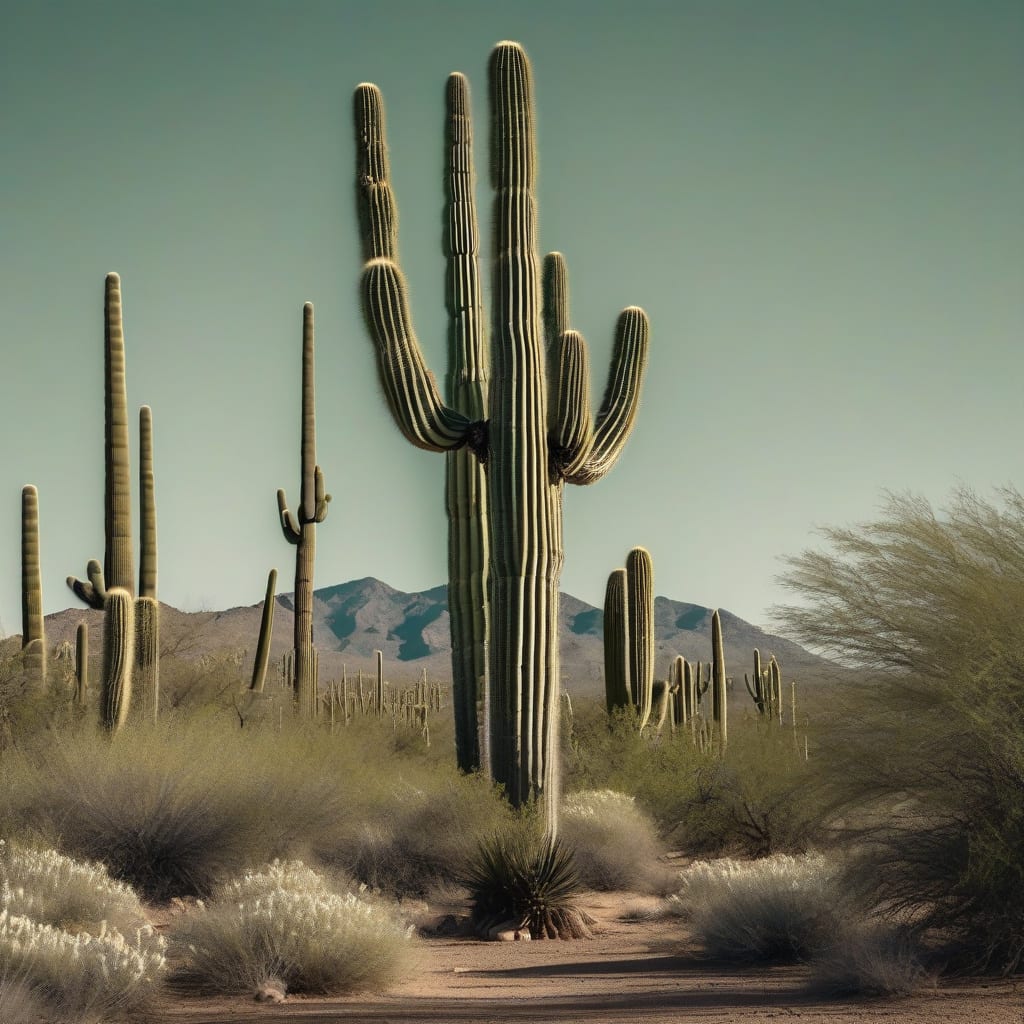
When I first started growing cacti 🌵, I was amazed by their incredible diversity – from tiny globular shapes to towering giants that can reach astonishing heights. The tallest cacti can grow over 60 feet tall, rivaling a two-story house.
Let’s explore how different species achieve such varying heights and what factors influence their growth in different environments, particularly in zones like USDA 6 where these plants can thrive with proper care.

0.5 ft

1 ft

2 ft

Varies by species
Cacti are incredibly diverse in their growth habits, with some species reaching astonishing heights while others remain compact. The tallest cacti can grow over 60 feet tall, while others stay under 1 foot tall 🌵.
The height of a cactus depends on its species, growing conditions, and care. Some of the tallest cactus species include the cardón cactus, saguaro, and Peruvian apple cactus, which can reach heights of 60 feet, 40 feet, and 30 feet respectively.
The cardón cactus is one of the tallest cacti in the world, native to Mexico. It can live for up to 300 years and grows in a columnar shape, making it a striking feature in any landscape 🌵.
In contrast, smaller cactus species like the bunny ear cactus and star cactus remain relatively small, typically growing to be around 1-2 feet tall. These smaller species are perfect for container gardens and indoor spaces.
Understanding the maximum height of different cactus species helps in planning garden layouts and choosing the right plants for specific spaces. Whether you’re looking for a towering statement piece or a compact decorative element, there’s a cactus species to suit your needs 🌿.
The growth rate of cacti varies significantly between species. For example, the saguaro cactus grows very slowly, typically around 1-2 inches per year. In contrast, some columnar cacti can grow several inches per year under optimal conditions.
Factors such as soil quality, watering, and sunlight exposure play crucial roles in determining how tall a cactus can grow. Cacti generally thrive in well-draining soil with ample sunlight and infrequent watering, which mimics their natural desert habitats.
For gardeners, understanding these factors is key to cultivating healthy, tall cacti. Proper care can help cacti reach their full height potential while maintaining their structural integrity and aesthetic appeal 🌻.
In regions like USDA zone 6, cacti require careful selection and protection during colder months. Choosing cold-hardy species and providing appropriate winter protection can help ensure that tall cacti thrive in less-than-ideal climates ❄️.
Cacti continue to fascinate gardeners and plant enthusiasts with their unique growth habits and adaptability. By selecting the right species and providing appropriate care, anyone can enjoy these remarkable plants in their garden or indoor space 🏠.
The diversity in cactus heights offers endless possibilities for creative landscaping and gardening projects. From towering specimens to compact varieties, cacti can add beauty and interest to any setting, making them a popular choice among gardeners worldwide 🌍.
When considering how tall a cactus can grow, it’s essential to understand the various factors that influence their height. While some cacti can reach impressive heights, others remain relatively small, and their growth is determined by a combination of environmental and care-related factors 🌵.
By understanding and managing these factors, gardeners can help their cacti reach their full height potential. Proper care and attention to the specific needs of each cactus species are crucial for cultivating healthy, tall plants 🌿.
Different cactus species have varying growth rates and maximum heights. For example, the saguaro cactus grows very slowly, typically around 1-2 inches per year, while some columnar cacti can grow several inches per year under optimal conditions 🌱.
In regions like USDA zone 6, cacti require careful selection and protection during colder months. Choosing cold-hardy species and providing appropriate winter protection can help ensure that tall cacti thrive in less-than-ideal climates ❄️.
Cacti continue to fascinate gardeners and plant enthusiasts with their unique growth habits and adaptability. By selecting the right species and providing appropriate care, anyone can enjoy these remarkable plants in their garden or indoor space 🏠.
The diversity in cactus heights offers endless possibilities for creative landscaping and gardening projects. From towering specimens to compact varieties, cacti can add beauty and interest to any setting, making them a popular choice among gardeners worldwide 🌍.
When it comes to growing tall cacti, proper care is essential to ensure they reach their full height potential and remain healthy. One of the most critical factors is providing the right growing conditions, including ample sunlight and well-draining soil 🌵.
For tall cacti, ensure they are planted in a stable location where they won’t be disturbed by strong winds or accidental impacts. Consider using supports if necessary to prevent them from toppling over.
Tall cacti require careful watering practices to prevent root rot and other issues. Water them infrequently but thoroughly, allowing the soil to dry out completely between waterings. This mimics their natural desert habitats and promotes healthy root development 💧.
Fertilization is another important aspect of caring for tall cacti. While they don’t require much fertilizer, a balanced feed during the growing season can promote healthy growth and maximize height potential. Use a diluted, balanced fertilizer to avoid burning the roots 🌿.
In regions with colder climates, such as USDA zone 6, tall cacti need protection during the winter months. Choose cold-hardy species and provide appropriate winter protection, such as mulching or bringing potted cacti indoors, to help them survive the cold temperatures ❄️.
By following these tips and considerations, gardeners can successfully grow and maintain tall cacti, enjoying their unique beauty and structural interest in their gardens or indoor spaces 🏠.
