
Beautiful Plants For Your Interior
Beautiful Plants For Your Interior
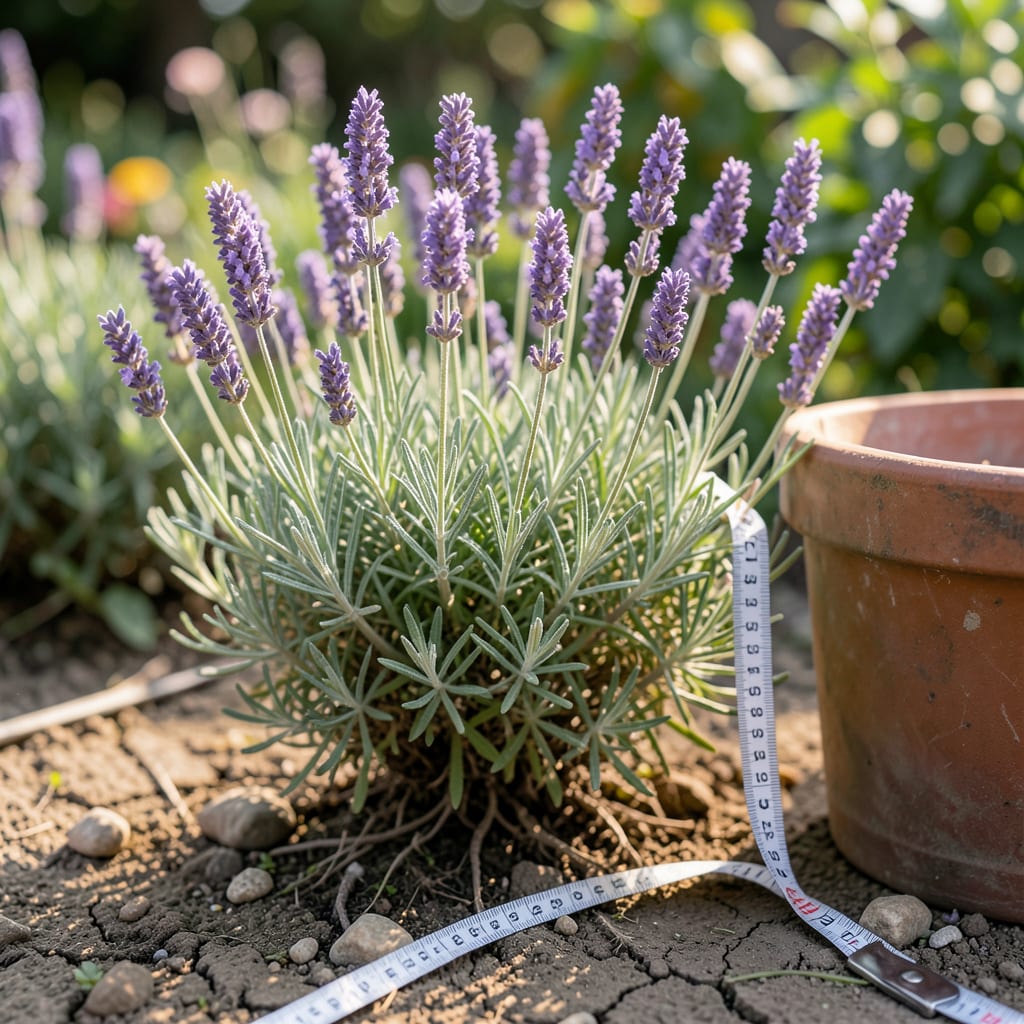
When planning your garden, understanding how tall and wide Lavender 🌿 grows is crucial for creating a beautiful and functional space. Lavender plants can vary significantly in size depending on the variety and growing conditions.
In USDA Zone 6, you can expect most Lavender varieties to grow between 1-3 feet tall and wide, making them perfect for borders or container gardens. Let’s dive into the details of Lavender’s growth habits.


Understanding how tall and wide lavender grows is essential for planning your garden layout. Lavender plants can vary significantly in size depending on the variety and growing conditions. In general, most lavender varieties grow between 1-3 feet tall and wide.
Lavender’s growth dimensions are influenced by factors such as soil quality, sunlight, and pruning practices. Proper care can help maintain a healthy and balanced plant size. Let’s explore the typical dimensions of different lavender varieties.
The height and width of lavender plants can be influenced by the specific variety. Dwarf varieties tend to be more compact, while standard varieties can grow larger. Understanding these differences is key to planning your garden.
In addition to variety, growing conditions play a significant role in determining lavender’s size. Factors such as soil quality, sunlight exposure, and pruning practices can all impact the final dimensions of the plant.
Pruning is particularly important for maintaining a desired size. Regular pruning after flowering helps keep lavender plants compact and prevents them from becoming woody. 🌱
Lavender’s growth habits make it an excellent choice for various garden designs. Whether you’re creating a border, a container garden, or a low-maintenance landscape, understanding lavender’s dimensions is crucial.
Different lavender varieties offer flexibility in garden design. For example, Hidcote and Munstead are popular compact varieties, while Grosso and Provence tend to be larger.
When planning your garden, consider the mature size of your lavender plants. Proper spacing ensures good air circulation and prevents overcrowding, which can lead to disease issues.
By understanding how tall and wide lavender grows, you can create a beautiful and thriving garden. Whether you’re a seasoned gardener or just starting out, lavender’s versatility makes it a great addition to any landscape.
With the right care and planning, lavender can be a stunning and fragrant addition to your garden. Its compact growth and beautiful blooms make it a popular choice among gardeners.
Lavender plant size can vary significantly based on several key factors. Understanding these elements helps gardeners predict and manage the growth of their lavender plants effectively. The main factors include the specific lavender variety, growing conditions, and pruning practices 🌿.
Different lavender varieties exhibit distinct growth habits. For instance, dwarf varieties like Hidcote and Munstead tend to remain compact, typically growing between 0.5-1 foot tall and wide. In contrast, standard varieties such as Grosso and Provence can reach heights and widths of 2-3 feet.
The size of lavender plants is influenced by their variety, growing conditions, and pruning practices. Choosing the right variety and providing optimal care can help achieve the desired plant size.
Growing conditions play a crucial role in determining lavender plant size. Factors such as soil quality, sunlight exposure, and watering practices can significantly impact growth. Lavender thrives in well-drained soil and full sun, typically requiring at least 6 hours of direct sunlight daily.
Pruning practices are essential for maintaining the desired size and shape of lavender plants. Regular pruning after flowering encourages compact growth and prevents the plants from becoming woody. Proper pruning techniques can help manage the plant’s dimensions and promote healthy growth.
In addition to these factors, climate and soil conditions can also affect lavender plant size. In USDA Zone 6, lavender generally grows well, but gardeners should be mindful of the specific needs of their plants. Adjusting care practices according to the local climate and soil type can help optimize plant growth 🌼.
By understanding and managing these factors, gardeners can effectively control the size and spread of their lavender plants, ensuring they fit well within their garden design.
Effective garden planning involves considering the mature size of lavender plants. Proper spacing is crucial to ensure good air circulation and prevent overcrowding, which can lead to disease issues.
With the right combination of variety selection, growing conditions, and pruning practices, gardeners can achieve the desired size and health for their lavender plants, enhancing the overall beauty and functionality of their garden.
When planning your lavender garden, understanding the space requirements and layout is crucial for creating a beautiful and functional space. Lavender plants need proper spacing to ensure healthy growth and prevent overcrowding 🌿.
The mature size of lavender plants varies depending on the variety. Dwarf varieties like Hidcote and Munstead typically grow between 0.5-1 foot tall and wide, while standard varieties like Grosso and Provence can reach 2-3 feet in both height and width.
Proper spacing is essential for maintaining healthy lavender plants. It ensures good air circulation, which helps prevent disease issues and promotes overall plant health.
When creating your garden design, consider the mature size of your lavender plants and leave enough space between them. This will help you achieve a beautiful and thriving garden 🌼.
By understanding the space requirements and layout for your lavender garden, you can create a stunning and fragrant outdoor space that showcases these beautiful plants.
Lavender gardens can be designed in various styles, from formal hedges to informal borders. The key is to ensure proper spacing and good air circulation 🌻.
With proper planning and care, your lavender garden will be a haven of beauty and fragrance, providing years of enjoyment and relaxation.
Lavender plants usually grow between 1-3 feet tall and wide, depending on the variety. Dwarf varieties like Hidcote and Munstead stay compact at 0.5-1 foot, while standard varieties like Grosso and Provence can reach 2-3 feet in both dimensions. Proper pruning helps maintain desired sizes.
Growing conditions significantly impact lavender size. Factors like soil quality, sunlight exposure, and watering practices all play a role. Lavender thrives in well-drained soil and full sun, requiring at least 6 hours of direct sunlight daily. Optimal conditions promote healthy growth.
Prune your lavender plants annually after flowering to maintain shape and size. Regular pruning encourages compact growth and prevents woody stems. This practice helps keep plants healthy and promotes new growth. Pruning is key to managing lavender dimensions.
Space dwarf varieties 12-18 inches apart and standard varieties 2-3 feet apart. Proper spacing ensures good air circulation and prevents overcrowding, which can lead to disease issues. Consider mature plant size when planning your garden layout.
