
Beautiful Plants For Your Interior
Beautiful Plants For Your Interior
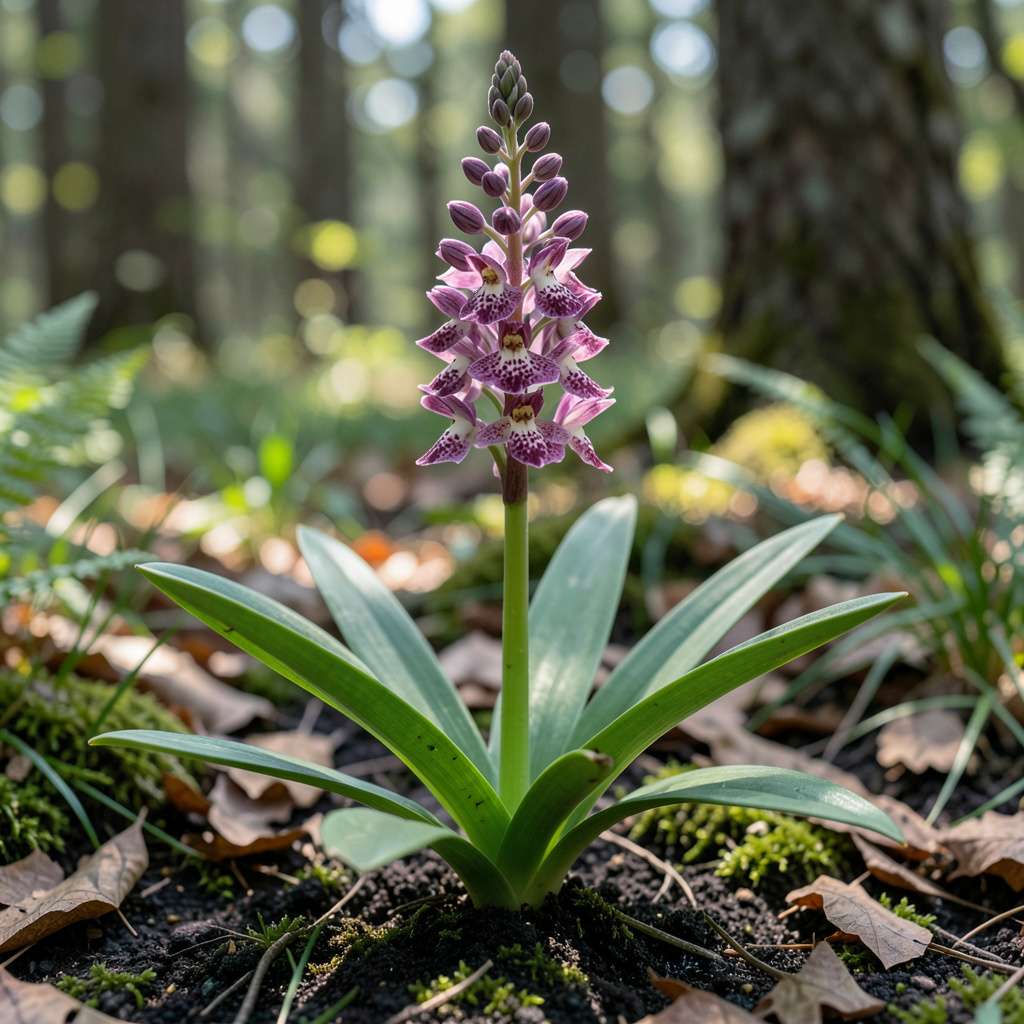
Orchids grow in diverse environments as epiphytes, lithophytes, or terrestrial plants, relying on specific humidity, light, and symbiotic relationships with fungi for nutrients.
In their natural habitats, orchids have developed remarkable adaptations to thrive. 🌱 For example, epiphytic varieties often cling to trees, absorbing moisture and nutrients from the air and rain. Additionally, they rely on specific light conditions and form partnerships with fungi to enhance nutrient uptake, showcasing their unique survival strategies in various ecosystems.
Understanding these growth patterns can help gardeners replicate these conditions. 🌧️ By mimicking the natural humidity and light levels, we can create an optimal environment for our orchids at home. This knowledge not only enhances plant health but also enriches our gardening experience.
💡 In This Article
Orchids exhibit fascinating adaptability to their environments, primarily thriving as epiphytes, lithophytes, or terrestrial plants. Epiphytes, like the popular Phalaenopsis, grow on trees, deriving moisture and nutrients from rain and air. This adaptation allows them to capture sunlight efficiently while minimizing competition for soil resources. 🌿
Their roots are uniquely designed to absorb water and nutrients from the atmosphere. For instance, the aerial roots of epiphytic orchids can absorb moisture from high humidity levels, often exceeding 70%. Meanwhile, terrestrial orchids, such as Cypripedium, grow in soil and rely on specific substrates to maintain moisture and nutrient availability. 🌱
Symbiotic relationships with fungi, known as mycorrhizae, are crucial for orchids. These fungi enhance nutrient absorption, particularly phosphorus, which is vital for plant growth. In return, orchids supply carbohydrates to the fungi through photosynthesis. This mutualistic relationship is especially important during the seedling stage when orchids lack the necessary resources to thrive independently. 🌍
Light conditions also play a significant role in orchid growth. Most orchids prefer bright, indirect light, simulating their natural canopy habitats. For example, Vanda orchids thrive in bright environments but can scorch under direct sunlight. Understanding these light preferences allows us to create Optimal Growth Conditions”>optimal growth conditions at home. ☀️
Climate requirements vary significantly among orchid species. Tropical orchids flourish in warm temperatures ranging from 70°F to 85°F, while temperate varieties may require cooler conditions. As such, replicating these temperature ranges is vital for healthy growth and flowering in cultivated orchids. 🌡️
By understanding how orchids adapt to their native environments, we can better care for them in our gardens. Recognizing their unique growth habits helps us create conditions that closely mimic their natural habitats, promoting vibrant blooms and overall health. 🌼
