
Beautiful Plants For Your Interior
Beautiful Plants For Your Interior
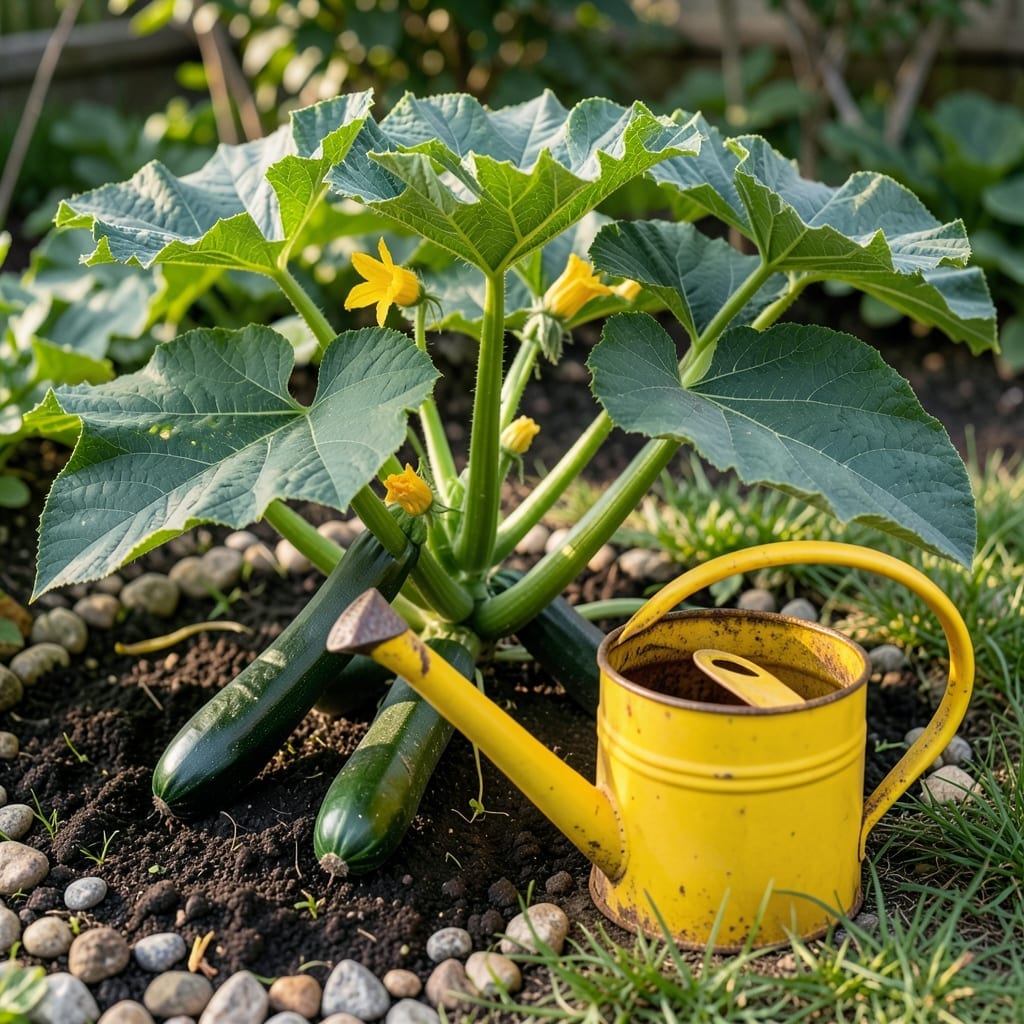
I remember the first time I grew 🥒 zucchini—my plants wilted dramatically when I missed a watering day. That taught me these veggies need consistent moisture to truly thrive.
Getting the watering schedule right can feel tricky, especially with changing weather. But with a few simple guidelines, you’ll keep your plants happy and productive all season long.
Discover the easy way to maintain that perfect balance. I’ll share the exact approach that transformed my patchy results into a bumper crop.
I’ve found that zucchini plants need a tailored approach to watering, as their needs change with the seasons. In spring, as they establish roots, I water weekly to encourage strong growth.
Once summer hits, the heat demands more attention. I increase watering to every 3-5 days, ensuring the soil stays consistently moist but never soggy.
| Season | Frequency | Amount |
|---|---|---|
| Spring | Weekly | 1-1.5 inches |
| Summer | Every 3-5 days | 1.5-2 inches |
| Fall | Weekly | 1 inch |
In fall, as temperatures cool, I scale back to weekly watering again. This helps prevent root rot while still supporting fruit production.
I always check the soil moisture by sticking my finger 1-2 inches into the ground. If it feels dry, it’s time to water.
Climate matters too. In hot, dry areas, I water more often, while in cooler, humid regions, I cut back to avoid oversaturation.
I’ve noticed that sandy soil drains quickly, so I water more frequently. For clay soil, I water less often but ensure deep penetration.
Mulching is a game-changer. A 2-3 inch layer of organic mulch helps retain moisture and keeps roots cool during summer heat.
I also pay attention to plant maturity. Young seedlings need gentle, frequent watering, while established plants thrive with deep, infrequent drinks.
Finally, I avoid watering in the evening to reduce the risk of fungal diseases. Morning watering allows foliage to dry quickly in the sun.
With these adjustments, my zucchini plants stay healthy and productive all season long 🌱
I’ve learned that zucchini plants show clear signs when their watering needs aren’t met. Yellowing leaves often indicate overwatering, while dry, crispy edges suggest underwatering.
Wilting during the day can be normal in heat, but if it persists into the evening, it’s a red flag. This usually means the roots aren’t getting enough water to support the plant.
I also watch for cracked fruits, which can happen when watering is inconsistent. A sudden influx of water after a dry spell causes rapid growth, leading to splits.
If I notice mold or mildew on the leaves, I know I’ve been overwatering. I adjust by letting the soil dry out slightly between waterings and improving drainage.
For underwatered plants, I give them a deep soak at the base, ensuring the water reaches the root zone. Mulching helps retain moisture and prevents future stress.
I always check the soil condition first. If it’s waterlogged or bone-dry, I adjust my watering schedule accordingly to keep my zucchini thriving.
With these clues, I can quickly correct my approach and keep my garden on track 🌿