
Beautiful Plants For Your Interior
Beautiful Plants For Your Interior
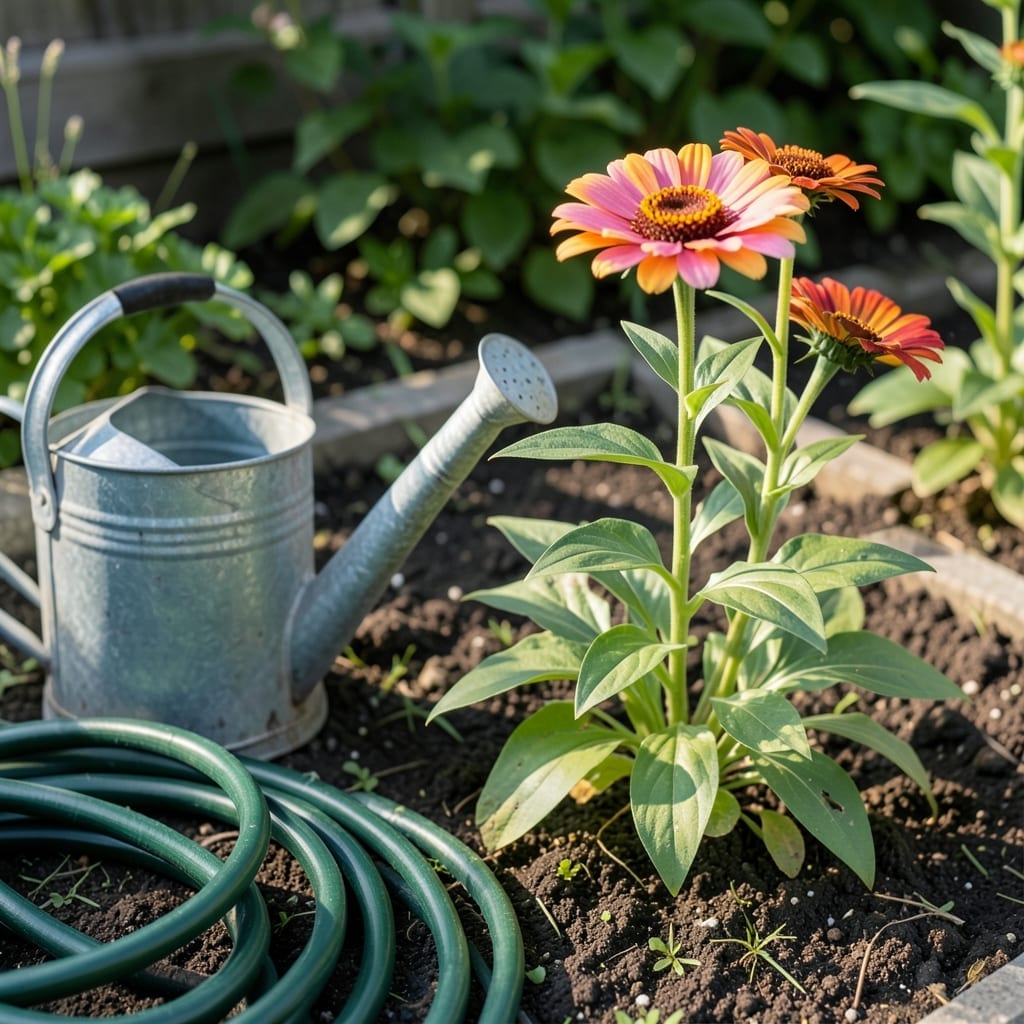
Zinnias light up gardens with their bold, colorful blooms—but get the watering wrong, and you’ll end up with drooping stems instead of vibrant 🌼 flowers. Mastering the right watering schedule is the key to keeping these hardy annuals thriving all season long.
I’ve seen too many gardeners struggle with wilting zinnias when the solution is simpler than they think. The trick lies in understanding your plant’s needs and your local conditions.
Whether you’re growing zinnias in containers or garden beds, knowing when and how much to water makes all the difference. Let me walk you through the easiest way to keep your zinnias happy and blooming.
Discover the straightforward approach that will transform your zinnia care routine. Your garden will thank you with an explosion of color.
Getting your zinnia watering schedule right means the difference between lush blooms and wilting plants. These hardy annuals thrive with consistent moisture but despise soggy roots. I’ve found that 1 inch of water weekly keeps them happy in most climates.
However, growth stage and weather conditions demand adjustments. Seedlings need daily light watering to establish roots, while mature zinnias can handle less frequent but deeper soaks.
| Stage | Frequency | Amount |
|---|---|---|
| Seedlings | Daily | 0.5 inch |
| Mature Plants | Weekly | 1 inch |
| Drought | 2x Weekly | 1.5 inch |
In hot summers, I switch to watering every 3-4 days, especially if the soil feels dry 1 inch down. Container zinnias dry out faster, so they often need daily checks in peak heat.
Watch for drooping leaves—this is your zinnia’s SOS signal for thirst. But don’t overcompensate: yellowing leaves or mushy stems scream overwatering.
Morning watering is non-negotiable. It lets foliage dry before nightfall, slashing fungal disease risks like powdery mildew. I aim for 6-10 AM to maximize absorption.
Well-draining soil is your ally. If your soil holds water like a sponge, cut back on frequency. In sandy soil, you may need to water more often since it drains quickly.
For dwarf zinnias, stick to the 1-inch weekly rule, but monitor closely—their smaller root systems can’t tolerate drought as well as taller varieties.
If you’re growing zinnias in raised beds, they’ll likely need more frequent watering than in-ground plantings because raised soil dries out faster.
Finally, always water at the base to keep leaves dry. A drip irrigation system is my top recommendation for effortless consistency and disease prevention.
With these adjustments, your zinnias will reward you with vibrant, long-lasting blooms all season long. 🌼
Watering zinnias correctly keeps them blooming vibrantly all season. I’ve found that morning watering prevents fungal issues like powdery mildew, which thrives in damp evening conditions.
Using drip irrigation or a soaker hose delivers water directly to the root zone, avoiding wet foliage that can lead to disease.
If you’re hand-watering, aim for a slow, deep soak rather than a quick sprinkle. This encourages strong root growth and better drought resistance.
In hot, dry climates, you may need to water every 2-3 days, while cooler areas might only need weekly watering. Always adjust based on rainfall and soil conditions.
For container-grown zinnias, check the top inch of soil daily—pots dry out faster than in-ground plantings. A mulch layer helps retain moisture and regulate soil temperature.
Finally, consistency is key. Zinnias thrive on a regular watering schedule, so avoid letting the soil swing from bone-dry to soggy. This balance keeps blooms bright and stems strong. 🌼