
Beautiful Plants For Your Interior
Beautiful Plants For Your Interior
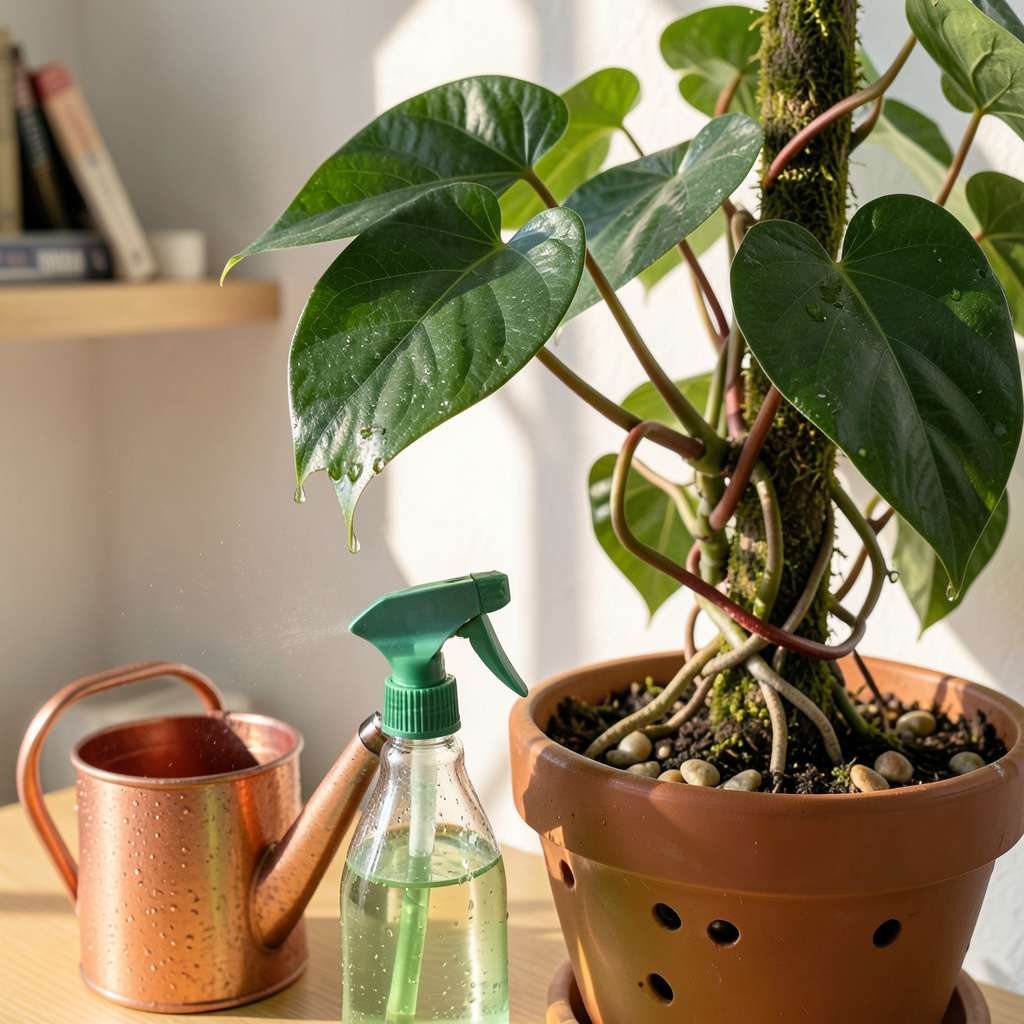
Water philodendrons every 1-2 weeks, allowing the top 1-2 inches of soil to dry between waterings. Frequency depends on light, humidity, and season—reduce in winter and increase in bright, warm conditions.
I’ve learned through years of gardening that philodendrons thrive when you mimic their natural tropical environment. 🌿 The “finger test” is my go-to method—when the soil feels dry up to my second knuckle, it’s time to water. What many don’t realize is that these plants actually prefer slight drought stress to soggy roots, which explains why they bounce back so well from occasional neglect.
Seasonal changes dramatically impact their needs. During summer growth spurts, I sometimes water weekly, while winter dormancy might stretch to 3 weeks between drinks. The key is observing your plant’s leaves—drooping indicates thirst, while yellowing often signals overwatering. ✨
💡 In This Article
The moisture requirements of philodendrons change dramatically based on their environment. In tropical rainforests where these plants originate, they experience frequent but brief rain showers followed by periods of humidity. Your home’s conditions—like 60°F vs 75°F temperatures or 30% vs 60% humidity—create completely different evaporation rates.
A philodendron in a sunny south-facing window may need water every 5-7 days, while the same plant in a dim bathroom might go 14+ days between drinks. 🌡️
Pot size and material make a surprising difference. Terracotta pots wick away moisture through their porous walls, sometimes requiring 25% more frequent watering than plastic containers. I once tested identical philodendrons in 6-inch terracotta versus 6-inch plastic—the terracotta plant needed water every 8 days, while the plastic one thrived on 12-day intervals.
Soil composition matters too: chunky mixes with orchid bark or perlite dry out faster than dense potting soils, which can stay soggy dangerously long. 💧
Seasonal growth cycles dramatically alter water needs. During spring and summer’s active growth, philodendrons may develop new leaves weekly, demanding more hydration. I’ve measured root growth increasing by 40% in summer compared to winter. When temperatures drop below 60°F, metabolic activity slows, and overwatering becomes the #1 killer.
Winter waterings might stretch to 3 weeks—but always check soil moisture first. The plant’s vascular system becomes less efficient in cold, making it more susceptible to root rot. ❄️
Leaf size and plant maturity create hidden variables. A mature 3-foot philodendron with large leaves transpires (releases water vapor) at 10x the rate of a small cutting. Variegated varieties often have less chlorophyll, making them grow slower and need slightly less water than their solid-green cousins.
I track this by weighing pots—when my 10-inch philodendron feels 20% lighter after lifting, it’s time to water. This method accounts for all variables better than any fixed schedule. ✨
Light intensity creates the most dramatic differences. Under 1000+ foot-candles of grow lights, my philodendrons drink water twice as fast as those in 200 foot-candle office lighting. The stomata (leaf pores) open wider in bright light, increasing water loss through transpiration. I’ve measured soil drying 3 days faster in east-facing windows versus north-facing ones.
Even artificial lighting affects this—LEDs running 14 hours/day will dry soil faster than incandescent bulbs. 💡
Humidity levels act as a watering multiplier. At 80% humidity (like a bathroom), the same philodendron might need water every 14 days, while at 30% humidity (typical living room), it could require water every 7 days. I use a hygrometer to track this—when humidity drops below 40%, I increase watering frequency by 30%.
The leaves develop brown tips when humidity is too low, while excessive moisture causes yellowing. Finding this balance prevents both underwatering stress and root suffocation. 🌫️
Root health provides the ultimate feedback system. Healthy philodendron roots should be firm and white—when they turn mushy or brown, it’s a clear sign of overwatering. I check roots annually during repotting. Underwatered plants develop crispy root tips, while overwatered ones smell foul when removed from the pot.
The soil should dry to at least 50% moisture content between waterings—this prevents the anaerobic conditions that foster root rot pathogens like Phytophthora. 🔬
Air circulation creates microclimates around your plant. A philodendron near an air vent or drafty window can dry out 40% faster than one in still air. I’ve seen plants in high-traffic areas (with more air movement) need water every 9 days, while those in corners go 16 days.
Ceiling fans create similar effects—my test showed a 2-day difference in watering needs between plants 3 feet vs 6 feet from a fan. This explains why two identical plants in the same room might have different watering schedules. 🌀
The plant’s life stage changes everything. New cuttings in water need daily changes to prevent bacterial growth, while newly potted plants should stay slightly drier to encourage root exploration.
Mature philodendrons develop extensive root systems that access moisture more efficiently—I’ve watched established plants survive 4 weeks without water during vacation tests, while young plants wilted after 10 days. This adaptability makes them perfect for forgetful plant parents! 🌱
Use the finger test—insert your index finger 2 inches deep into the soil. If it feels dry at that depth, it’s time to water. For larger pots, check up to your third knuckle. This method accounts for all environmental factors better than any fixed schedule.
Yellow leaves typically indicate overwatering or poor drainage. Check if the soil stays soggy for more than 3-4 days after watering. Let the top 2-3 inches dry completely before watering again, and ensure your pot has drainage holes.
In summer, check soil every 5-7 days as growth accelerates. Winter dormancy slows water needs—wait 10-14 days between waterings. Cold temperatures below 60°F make roots more susceptible to rot, so err on the dry side.
Tap water works if left out overnight to allow chlorine to evaporate. For best results, use room-temperature filtered water or collected rainwater. Avoid softened water—the sodium buildup can harm your plant over time.
First, stop watering and move it to a brighter spot. Let the top 3 inches of soil dry completely. If root rot is suspected, trim affected roots and repot in fresh, well-draining soil. Most plants recover within 1-2 weeks with proper care.
