
Beautiful Plants For Your Interior
Beautiful Plants For Your Interior
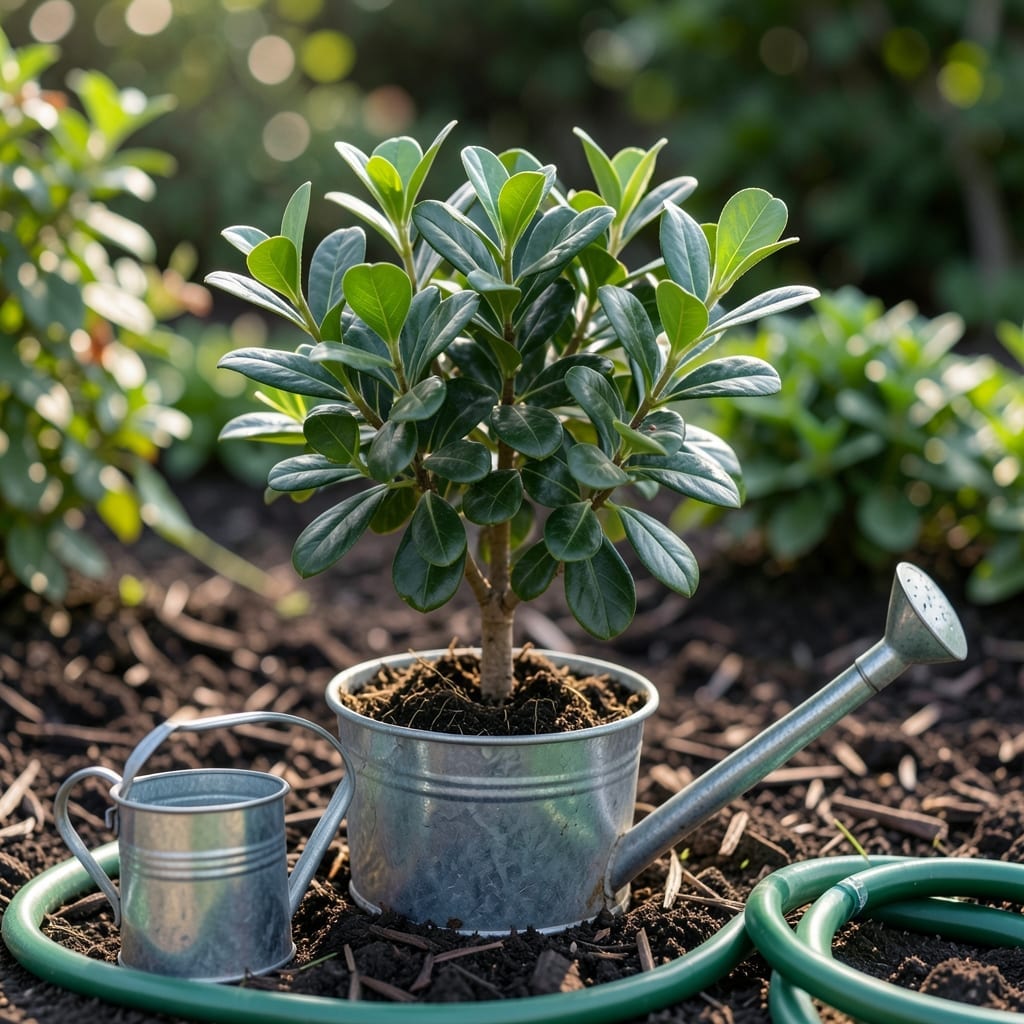
Watering new bushes correctly during their first year can mean the difference between thriving 🌿 and a struggling landscape. Get the schedule wrong, and you risk root rot, drought stress, or stunted growth.
I’ve seen too many gardeners lose their new bushes simply because they didn’t understand the watering needs during that critical first year. The good news? It’s easier than you think once you know the basics.
Whether you’re planting in spring or fall, the key is consistency and paying attention to your specific conditions. From soil type to local climate, several factors will influence your watering routine.
Discover the simple yet effective schedule that will give your bushes the best start possible. Let’s set your garden up for success from day one.
Getting your new bushes off to a strong start means consistent watering during their first year. The establishment phase is critical, as roots grow deep to access moisture and nutrients.
I’ve found that seasonal adjustments make all the difference. Spring and fall often require less water than summer’s heat, while winter dormancy needs minimal attention.
| Season | Frequency | Amount | Notes |
|---|---|---|---|
| Spring | Weekly | 1-1.5 gallons | Cool temps, moderate rain |
| Summer | 2x per week | 1.5-2 gallons | Hot, dry conditions |
| Fall | Weekly | 1-1.5 gallons | Cooler, prepare for winter |
| Winter | Monthly | 1 gallon | Dormant, minimal needs |
In spring, I water my new shrubs about once a week, giving them a deep soak to encourage root growth. This helps them anchor well before summer’s heat arrives.
Summer’s intensity demands twice-weekly watering, especially in dry climates. I check the soil moisture 2 inches down—if it’s dry, it’s time to water again.
As fall approaches, I scale back to weekly watering to help bushes prepare for dormancy. This reduces stress and supports root storage of nutrients.
Winter watering is minimal—just once a month unless we have a dry spell. Even dormant bushes need some moisture to prevent root damage from freezing soil.
For clay soil, I water less frequently but more deeply, as it holds moisture longer. Sandy soil drains fast, so I water more often with slightly less volume.
If you’re in a hot, arid region, consider drip irrigation to deliver water slowly and deeply. This method reduces evaporation and keeps roots consistently moist.
Always water in the early morning to minimize evaporation loss and prevent fungal diseases that thrive in evening dampness. This small habit makes a big difference in plant health. 🌿
New bushes often show stress before soil moisture reveals the problem. I watch for wilting leaves or dry soil 2 inches down as clear underwatering signs. These indicate it’s time to adjust your schedule immediately.
On the flip side, yellowing leaves or mushy stems often signal overwatering. I check the soil’s drainage and reduce frequency if I spot these red flags. Early detection prevents long-term damage.
I pay special attention to leaf drop during heat waves. While some shedding is normal, excessive loss means your bush isn’t getting enough deep watering. A thorough soak can revive it quickly.
Mold or fungus on the soil surface is a surefire sign of excess moisture. I immediately reduce watering and improve drainage. Adding organic mulch can help regulate soil moisture levels effectively.
For newly planted bushes, I recommend checking soil moisture daily for the first week. This helps establish a baseline. After that, weekly checks are usually sufficient unless weather conditions change dramatically.
Remember, morning watering allows foliage to dry during the day, preventing fungal issues. I always aim to water before 10 AM for best results. This timing also reduces evaporation loss significantly.
Consistent observation and quick adjustments will keep your bushes thriving throughout their first growing season 🌿