
Beautiful Plants For Your Interior
Beautiful Plants For Your Interior
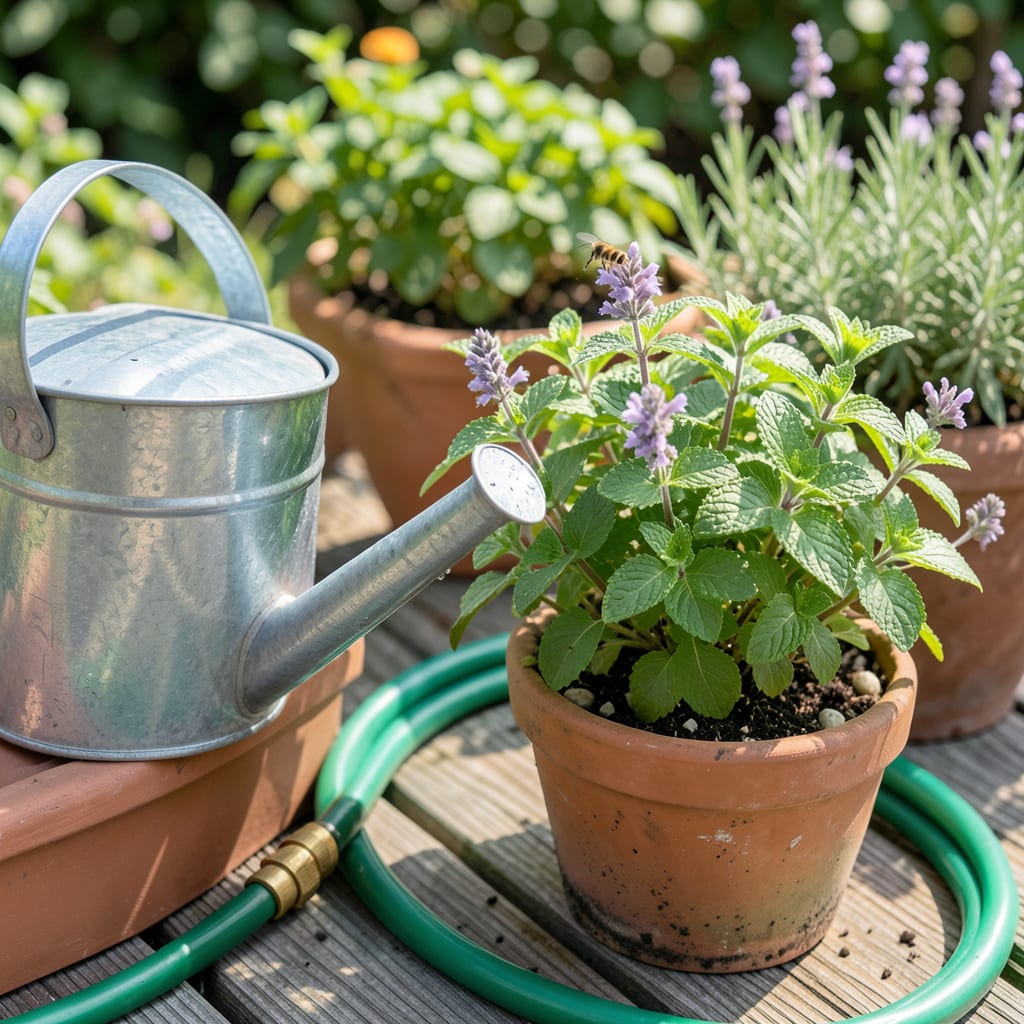
Mint thrives with consistent moisture—water every 2–3 days in warm weather, reducing to once weekly in cooler conditions. Check the top inch of soil; if dry, it’s time to water. Potted mint may need daily attention in summer.
Mint’s rapid growth and shallow roots demand a delicate balance—too much water invites root rot, while too little stunts its signature vigor. 🌱 I’ve found that container-grown plants dry out faster than garden beds, especially in terracotta pots that wick away moisture. Morning watering works best to minimize evaporation, and mulching helps retain soil moisture during heatwaves. Watch for drooping leaves as your plant’s SOS signal—it’s telling you to adjust your routine.
💡 In This Article
Mint’s watering needs aren’t one-size-fits-all—they depend on its growing environment. The plant’s shallow root system, typically only 4-6 inches deep, makes it highly sensitive to soil moisture fluctuations. In warm climates (above 80°F), evaporation rates skyrocket, forcing you to water more frequently.
Conversely, cooler temperatures (below 60°F) slow both plant metabolism and water loss, letting you stretch intervals. 🌡️
Soil composition dramatically alters water retention. Sandy soils drain rapidly, often requiring water every 1-2 days in peak summer, while clay-heavy mixes hold moisture longer—sometimes 4-5 days between waterings.
Container-grown mint faces additional challenges: terracotta pots lose moisture 30% faster than plastic, and small containers (under 8 inches in diameter) dry out completely within 24 hours in direct sun. 💧
Sunlight exposure creates microclimates that change watering needs. Mint in full sun (6+ hours daily) may need twice-daily watering in summer, while partial shade (3-4 hours) cuts that requirement in half. Wind exposure accelerates drying too—plants on balconies or in breezy areas lose moisture 25% faster than sheltered garden beds.
I’ve seen potted mint on sunny patios require morning and evening watering to prevent wilting. ☀️
The plant’s growth stage matters too. Young seedlings need consistent moisture to establish roots, while mature plants develop slight drought tolerance. During active growth (spring/summer), mint’s water demand spikes by 40-50% compared to dormant winter periods. Overhead watering can invite fungal issues, so I recommend soaker hoses or bottom-watering for containers to target roots directly.
⚡
Humidity levels play a surprising role. In dry climates (below 40% humidity), mint may need 20% more water than in humid regions. Mulching with organic matter (like straw or compost) can reduce watering frequency by 25-30% by slowing evaporation. Remember that afternoon watering loses 50% to evaporation—early morning is ideal for maximum absorption. 🌿
Here’s a quick reference for adjustments:
The finger test remains the gold standard—insert your digit 1-2 inches deep. If the soil feels dry at that depth, it’s time to water. For containers, lift the pot: a noticeably lighter weight means the moisture’s gone.
Mint’s rapid recovery when watered properly (perking up within 30-60 minutes) makes it forgiving for beginners learning its rhythms. ✨
Early morning (before 10 AM) is ideal. This allows water to reach roots before evaporation peaks. Avoid evening watering as damp foliage overnight invites fungal diseases. If mornings aren’t possible, late afternoon works—but never during the hottest hours.
Lift the pot—dry soil makes containers feel noticeably lighter. For in-ground plants, watch for slightly drooping leaves in late afternoon (they’ll recover after watering). Terracotta pots develop lighter color patches when dry. These visual cues work alongside the finger test for foolproof timing.
Summer demands every 1-2 days in heat, while winter needs drop to once weekly or less. Dormant plants in cold months require minimal moisture—let the top 2 inches dry completely between waterings. Indoor winter mint may need slightly more due to dry heating air.
Yes, but with caution. Self-watering systems work well if you monitor the reservoir—mint dislikes soggy roots. Check weekly that roots aren’t sitting in water. These pots can extend intervals to 5-7 days between refills, but always verify soil moisture at the 1-inch depth mark.
This usually signals root rot from overwatering. The roots can’t absorb water despite moist soil. Stop watering immediately, trim any black/mushy roots, and repot in fresh, well-draining soil. Terracotta pots help by wicking away excess moisture—consider switching from plastic if this keeps happening.
