
Beautiful Plants For Your Interior
Beautiful Plants For Your Interior
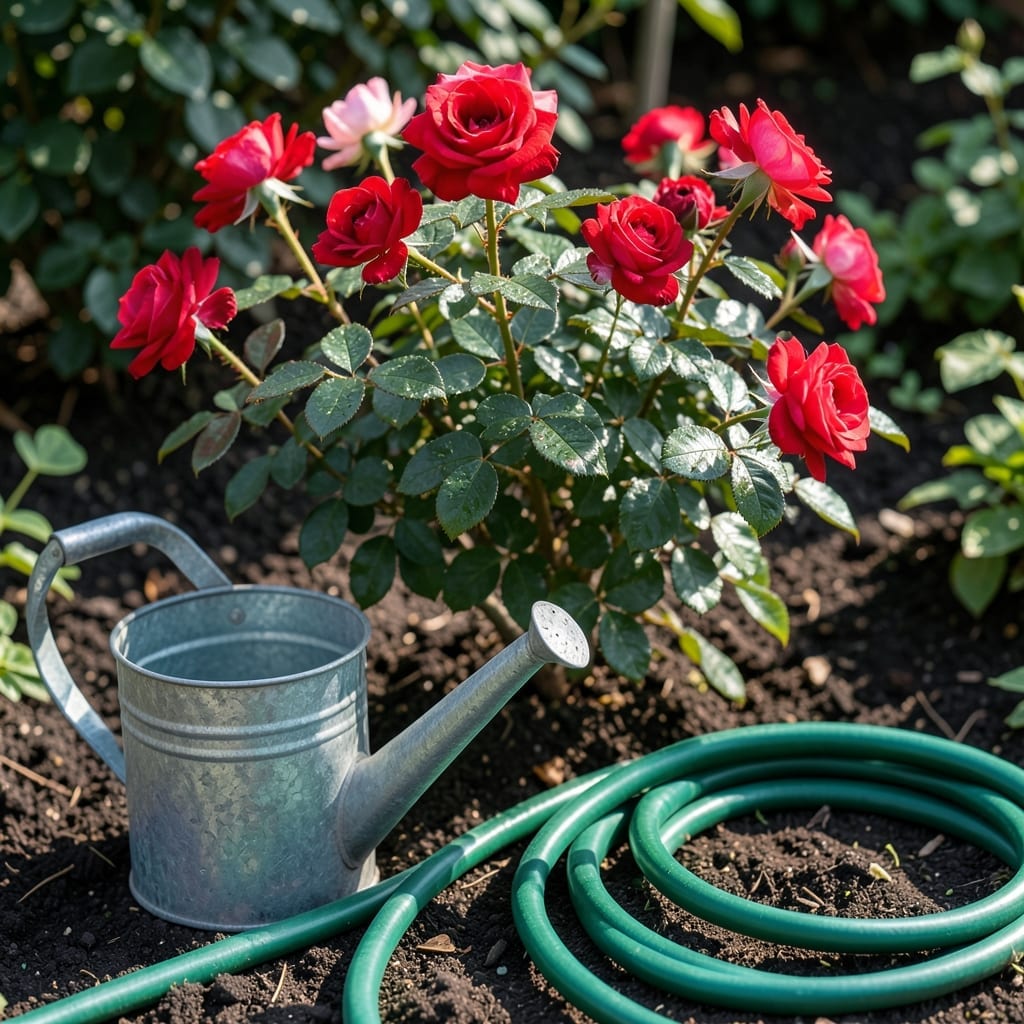
Watering 🌸 Flower seems simple, but doing it wrong can mean the difference between vibrant blooms and wilted disappointment. The secret lies in understanding your plants’ needs.
I’ve learned that timing and technique matter just as much as frequency. Whether you’re tending to a windowsill arrangement or a full garden bed, getting this right will transform your results.
Discover how to adjust your approach for different seasons and conditions. Your Flower will thank you with more vibrant color and healthier growth.
Getting the watering schedule right can make or break your flower garden. As someone who’s tested countless approaches, I can tell you that seasonal changes dramatically affect how often your blooms need hydration.
From spring’s gentle rains to summer’s scorching heat, each season demands a different strategy. Container plants often need more frequent watering than those in the ground too. 🌸
| Season | Watering Frequency | Notes |
|---|---|---|
| Spring | Weekly | Cool temps slow evaporation |
| Summer | Every 3-5 days | Heat increases water needs |
| Fall | Weekly | Prep for dormancy |
| Winter | Bi-weekly | Dormant period needs less |
In spring, I water my perennials about once a week. The cool temperatures and spring showers help maintain moisture, but I always check the soil first. If the top inch feels dry, it’s time to water.
Summer is when things get tricky. With temperatures soaring, I switch to watering every 3-5 days. Container gardens may need daily attention in extreme heat. Always water early morning to reduce evaporation.
As fall arrives, I scale back to weekly watering again. This helps plants prepare for dormancy without stressing them. It’s also the perfect time to plant new perennials before winter.
Winter watering is often overlooked. I give my flowers a deep drink every two weeks on warmer days. This prevents root desiccation during dry spells, especially for evergreen varieties.
For container plants, the rules change slightly. Their limited soil volume dries out faster, so I check them daily in summer. In cooler months, every 5-7 days usually suffices. Always ensure your pots have drainage holes.
Your soil type plays a huge role too. Sandy soil drains quickly and may need more frequent watering. Clay soil holds moisture longer but can become waterlogged. I always amend my beds with organic matter to improve water retention.
Remember, these are general guidelines. Your specific climate and flower types may require adjustments. When in doubt, stick your finger in the soil – it’s the best moisture meter you’ll ever have. 🌿
Your flowers can’t talk, but they give clear signals about their watering needs. Learning to read these signs will help you adjust your care routine before problems arise.
From drooping leaves to yellowing foliage, each symptom tells a story. I’ve found that early morning is the best time to check for these indicators. 🌱
The finger test is my go-to method. I simply insert my finger 1-2 inches into the soil. If it feels dry, it’s time to water. If it’s damp, I wait another day.
For container plants, I also check the pot’s weight. A light container usually means the soil is dry, while a heavy one suggests adequate moisture remains.
Leaf color is another reliable indicator. Dark green leaves with brown tips often point to overwatering, while pale or grayish leaves suggest underwatering stress.
Remember, different flowers have different needs. Succulents like less water, while tropical varieties may need daily hydration in heat. When in doubt, observe and adjust. 🌿