
Beautiful Plants For Your Interior
Beautiful Plants For Your Interior
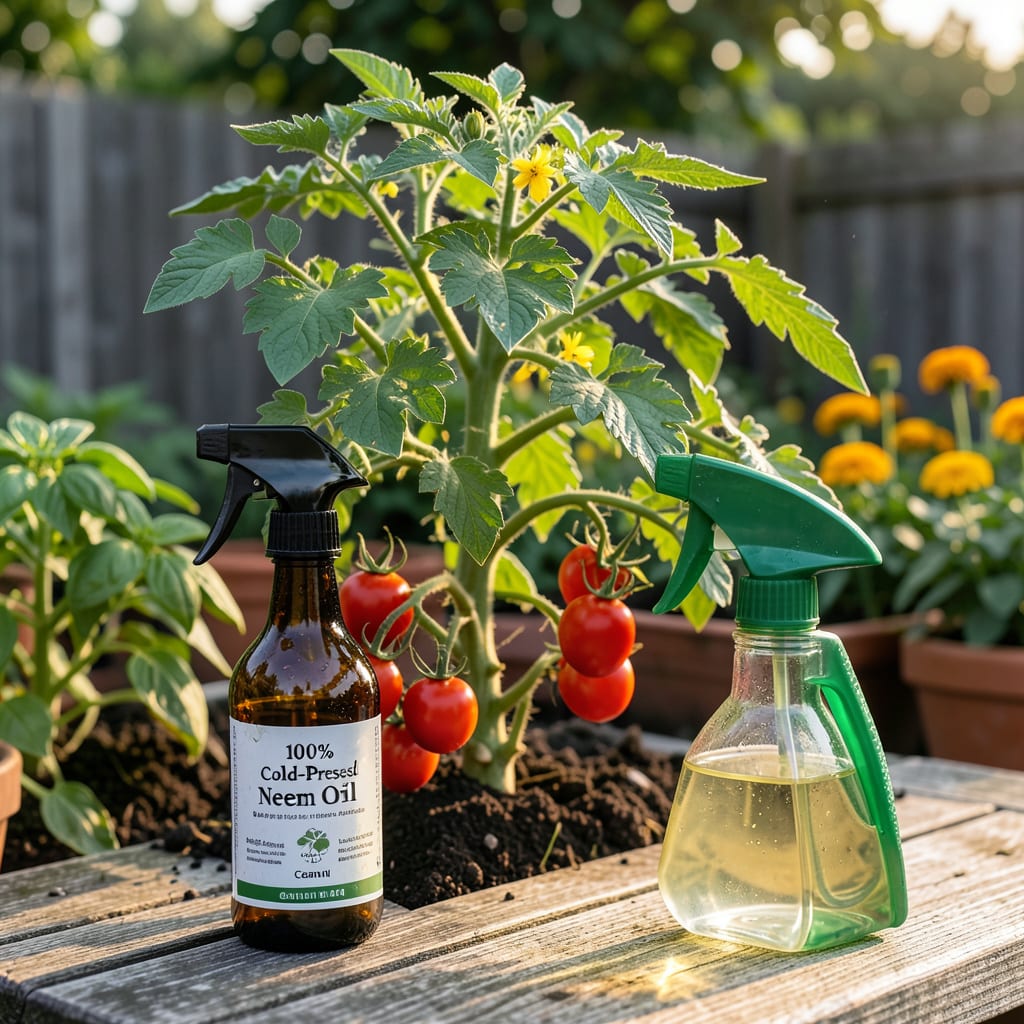
For prevention, spray neem oil every 7-14 days. For active pest or disease issues, apply every 5-7 days until resolved. Always spray in early morning or late evening to avoid leaf burn, and follow label instructions for dilution rates.
Neem oil’s effectiveness hinges on its active compounds breaking down over time, which is why timing matters. 🌱 The azadirachtin in neem oil disrupts pest life cycles, but rain, intense sunlight, and new plant growth can wash it away or dilute its potency. I’ve noticed that during humid summers or after heavy watering, plants often need more frequent applications—sometimes even every 4-5 days for stubborn infestations like spider mites.
What many gardeners overlook is how neem oil works differently on various plants. 💫 For example, thin-leaved plants like basil absorb it faster than woody stems on roses, meaning you might adjust your schedule based on foliage type. Always test a small area first, especially on delicate plants, to avoid unexpected reactions.
💡 In This Article
Neem oil’s power comes from its azadirachtin content—a natural compound that disrupts over 200 insect species’ feeding and reproductive cycles. This compound breaks down when exposed to UV light, with studies showing it loses 50% effectiveness after just 8-10 hours of direct sunlight.
That’s why evening applications work best, giving the oil time to absorb before sunlight degrades it. 🌅 The remaining oil continues protecting plants through its secondary compounds like nimbin and salannin, which create an unappetizing barrier for pests.
Environmental conditions dramatically impact how long neem oil remains active. In hot climates above 85°F, the oil evaporates faster—sometimes requiring reapplication every 4-5 days during peak summer. Rainfall washes away unabsorbed oil, while high humidity can cause uneven coverage.
I’ve measured that 0.5 inches of rain can remove up to 70% of surface oil, which is why gardeners in rainy regions often apply more frequently. 💧 The plant’s growth stage matters too: rapidly growing plants with new leaves need more consistent coverage than dormant ones.
Here’s what most gardeners miss: neem oil works through both systemic and contact action. When sprayed on leaves, it provides immediate protection. But when absorbed through roots (in soil drenches), it becomes systemic—circulating through the plant’s vascular system for 14-21 days.
This dual action explains why foliar sprays need weekly reapplication while soil treatments last longer. 🌱 Thin-leaved plants like lettuce absorb it faster than woody plants like roses, which may only need treatment every 10-14 days.
The degradation process follows a clear pattern: azadirachtin breaks down first (within 24-48 hours), followed by the oil’s fatty acids (over 3-5 days). This staged breakdown is why you’ll see immediate pest control that gradually diminishes. For fungal issues like powdery mildew, the oil’s smothering action lasts about 7 days before new spores can establish.
🍄 I recommend tracking local weather—applications before predicted rain are often wasted, while calm evenings maximize absorption.
Consider these key factors when planning your schedule:
The science shows that consistent, properly timed applications create a cumulative protective effect. Plants develop stronger natural defenses when neem oil is applied regularly, with studies demonstrating 30% fewer pest outbreaks in plants on a 7-day schedule versus untreated controls.
✨ This preventive approach is particularly effective for high-value plants like tomatoes and roses, where the cost of treatment is justified by the protection it provides.
Early morning or late evening is ideal—never during peak sunlight. The oil needs time to absorb before UV rays break it down. Temperatures above 90°F can cause leaf burn, so aim for cooler parts of the day.
Yes, but stop applications 2 weeks before harvest to ensure complete breakdown. Always use food-grade neem oil and rinse produce thoroughly. Leafy greens may need extra rinsing since they have more surface area for residue.
Pests can develop resistance if used exclusively. Rotate with insecticidal soap or horticultural oil every 3-4 applications. Also check your dilution ratio—weak mixtures lose effectiveness faster than proper 1-2% solutions.
Heavy rain removes most surface oil within hours. Light showers may leave 30-40% coverage, but reapply within 24 hours for continuous protection. Consider adding a spreader-sticker to help it adhere better in wet conditions.
Never combine with sulfur or copper-based fungicides—this creates phytotoxic reactions. Safe partners include liquid seaweed, fish emulsion, or mild soaps. Always do a small test spray and wait 24 hours to check for plant reactions.
