
Beautiful Plants For Your Interior
Beautiful Plants For Your Interior
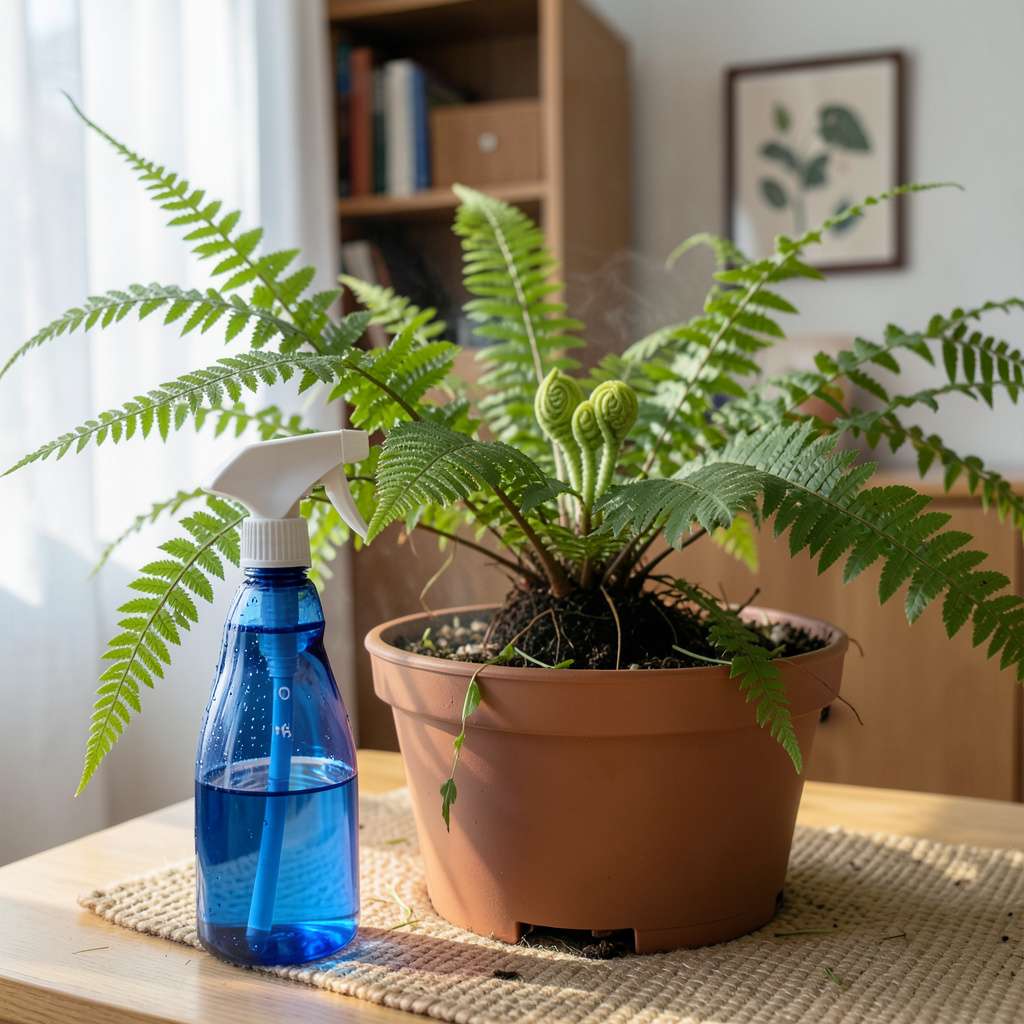
Most houseplants benefit from misting 1-3 times weekly, while tropical varieties may need daily humidity. Always check soil moisture first and adjust based on plant type, environment, and season to prevent overwatering or fungal issues.
I’ve learned through years of gardening that misting isn’t just about frequency—it’s about understanding your plant’s natural habitat. 🌿 Ferns and orchids thrive with daily misting because they’re used to rainforest humidity, while succulents might only need occasional spraying. The key is observing how your plant responds: crispy leaf edges mean more moisture is needed, while water spots or mold signal you’re overdoing it.
What many beginners miss is how environmental factors change the game. A plant that needs misting twice weekly in summer might only need it once in winter when indoor air is drier. I always recommend using room-temperature water and misting in the morning so leaves dry before evening—this simple habit prevents most fungal problems I’ve seen in home gardens.
💡 In This Article
Plants have evolved with specific humidity needs based on their native environments. Tropical species like ferns and calatheas naturally thrive in 70-90% humidity, while desert plants such as cacti prefer 10-30%.
This difference comes down to their leaf structures—tropical plants have larger, thinner leaves with more stomata (pores) that lose water rapidly, requiring frequent misting to compensate. 🌿
The science behind this lies in transpiration rates. Plants like peace lilies can lose up to 90% of their water through leaves daily in dry conditions, while snake plants lose only 5-10%. Temperature plays a huge role too—every 10°F increase doubles transpiration speed.
That’s why your monstera might need misting twice daily in summer but only weekly in winter when growth slows.
Airflow dramatically affects how often you should mist. Plants in drafty areas or near vents lose moisture 3-5x faster than those in still environments. I’ve seen spider plants develop crispy tips within days when placed near air conditioners, while the same plants stayed lush in more protected spots. The solution?
Group plants together to create microclimates where they share humidity.
Leaf surface area matters more than you’d think. A mature fiddle-leaf fig with its massive leaves may need misting every 2-3 days, while a small peperomia can go a week between sprayings. The larger the leaf surface, the more water evaporates.
This is why misting schedules aren’t one-size-fits-all—what works for your 6-inch pothos won’t suffice for a 6-foot bird of paradise.
Seasonal changes require major adjustments. In winter, when indoor humidity often drops below 30%, tropical plants may need daily misting to prevent leaf drop. But that same frequency in summer could lead to fungal issues.
I always recommend using a hygrometer—when readings dip below 40% for tropical plants or 20% for succulents, it’s time to mist. ✨
Here’s what most people overlook: water quality affects misting effectiveness. Tap water with high mineral content leaves white spots on leaves and can clog stomata over time. I’ve found that using distilled or rainwater prevents these issues while allowing plants to absorb moisture more efficiently through their leaves.
The time of day you mist makes a surprising difference. Morning misting allows water to evaporate naturally as temperatures rise, while evening spraying can leave leaves damp overnight—creating perfect conditions for powdery mildew. I’ve rescued countless plants simply by shifting misting to 7-9 AM when stomata are most active and airflow is typically better.
Leaf texture provides important clues about misting needs. Plants with smooth, waxy leaves (like rubber plants) repel water and need finer mist droplets, while fuzzy-leaved plants (like African violets) should never be misted directly as water collects in the fuzz and causes rot.
For these, I use a humidifier set to 50-60% instead of direct spraying.
Remember that misting isn’t just about hydration—it’s about recreating a plant’s natural ecosystem. Orchids, for instance, absorb moisture through their aerial roots and leaves in the wild. When you mist them, you’re mimicking the morning dew of their cloud forest homes.
This understanding transformed how I care for my plants, turning misting from a chore into a way to connect with their natural rhythms. 💫
Morning is always best, ideally between 7-9 AM. This gives leaves time to dry before evening, preventing fungal issues that thrive in overnight dampness. Evening misting can create perfect conditions for powdery mildew, especially in cooler temperatures.
Tap water works in a pinch, but minerals can leave white spots and clog plant pores. For best results, use distilled, rainwater, or filtered water. If using tap water, let it sit overnight first to allow chlorine to evaporate. This simple step prevents most mineral buildup issues.
Watch for these red flags: water spots that don’t dry within 2 hours, mold growth on leaves or soil, and yellowing foliage. Fuzzy-leaved plants like African violets are especially sensitive—water collecting in their fuzz leads to rot. When in doubt, reduce frequency and observe changes over 3-5 days.
Humidifiers provide consistent, hands-off humidity control—ideal for large collections or finicky tropicals. Misting works well for small numbers of plants and gives you hands-on time to inspect leaves. For most homes, combining both (humidifier at 50-60% + occasional misting) creates the perfect balance.
Winter often requires more frequent misting due to dry indoor air from heating systems. Check humidity levels—when readings drop below 30%, tropical plants may need daily misting. Just reduce frequency if you notice condensation on windows, which signals excess moisture in the air.
