
Beautiful Plants For Your Interior
Beautiful Plants For Your Interior
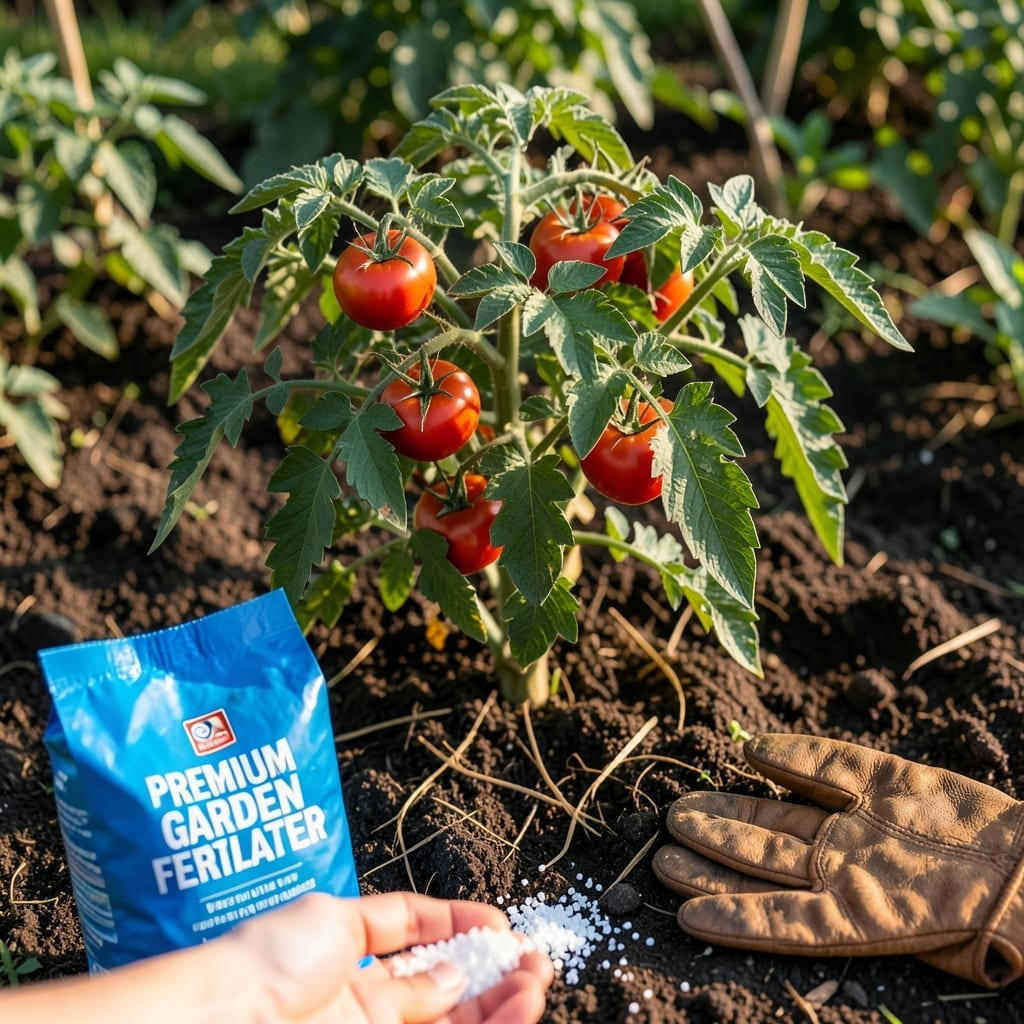
Fertilizing your General Garden at the right time can mean the difference between lackluster plants and a thriving, vibrant landscape. But how often should you really feed your soil to achieve lush growth without overdoing it?
I’ve seen gardens transform from struggling to spectacular just by adjusting their fertilizing schedule. The key is understanding your plants’ needs and the changing seasons.
Discover the simple approach to nourishing your General Garden for maximum impact. Let me show you how to get it right every time.
Timing your fertilizer applications correctly can make or break your garden’s success. I’ve learned that seasonal adjustments are key to providing plants with the right nutrients at the right time.
Each season presents unique demands on your soil and plants. Spring is for growth initiation, while summer focuses on maintenance. Fall prepares plants for dormancy, and winter is typically a rest period.
| Season | Fertilizer Action | Frequency |
|---|---|---|
| Spring | FEED | Every 4-6 weeks |
| Summer | Light Feed | Every 6-8 weeks |
| Fall | FEED | Every 6-8 weeks |
| Winter | Skip | Plants are dormant |
In spring, I always start with a balanced fertilizer to kickstart growth. A 10-10-10 NPK works well for most vegetable gardens and flower beds. This is when plants need nitrogen most for leaf development.
During summer, I switch to a lighter feeding schedule. The heat can stress plants, so I use half-strength fertilizer more frequently. This prevents nutrient burn while maintaining steady growth.
Fall fertilization helps plants build root strength and winter reserves. I focus on phosphorus-rich formulas to support root development. This is especially important for perennials and shrubs.
I completely skip fertilization in winter for most plants. The soil is often frozen, and plants are dormant. However, winter vegetables might need a light feeding if they’re actively growing.
Organic fertilizers like compost or worm castings can be applied more frequently. I often add a thin layer of compost every 2-3 weeks during the growing season. These are gentler and improve soil structure over time.
For synthetic fertilizers, I follow the package instructions carefully. These are more concentrated and can harm plants if overused. I never exceed the recommended rates, especially for sensitive plants.
Remember, soil testing is the best way to determine your garden’s needs. I test my soil every spring and fall to adjust my fertilizing schedule. This takes the guesswork out of nutrient management. 🌱
Your plants often show clear signs when they need a nutrient boost. I watch for yellowing leaves, stunted growth, or weak stems as red flags that my garden might be hungry.
However, over-fertilizing can be just as harmful as underdoing it. I’ve seen brown leaf tips, salt buildup on soil, and sudden wilting when plants get too much of a good thing.
⚠️ Warning: Fertilizer burn appears as crispy brown edges on leaves. If you see this, stop fertilizing and flush the soil with water immediately.
For nitrogen deficiency, I look for pale green leaves starting at the bottom of the plant. This often means I need to add a high-nitrogen fertilizer or organic matter like blood meal.
Phosphorus deficiency shows as purple stems or slow growth. When I notice this, I switch to a bloom booster with higher middle numbers, like 5-10-5, to support flowering.
If leaves turn yellow between veins, it might indicate iron deficiency. I treat this with chelated iron or by lowering soil pH if it’s too alkaline for my plants.
Remember, healthy plants have vibrant green leaves and steady growth. If your garden looks good, you might not need to fertilize at all. I always observe first before adding more nutrients. 🌿