
Beautiful Plants For Your Interior
Beautiful Plants For Your Interior
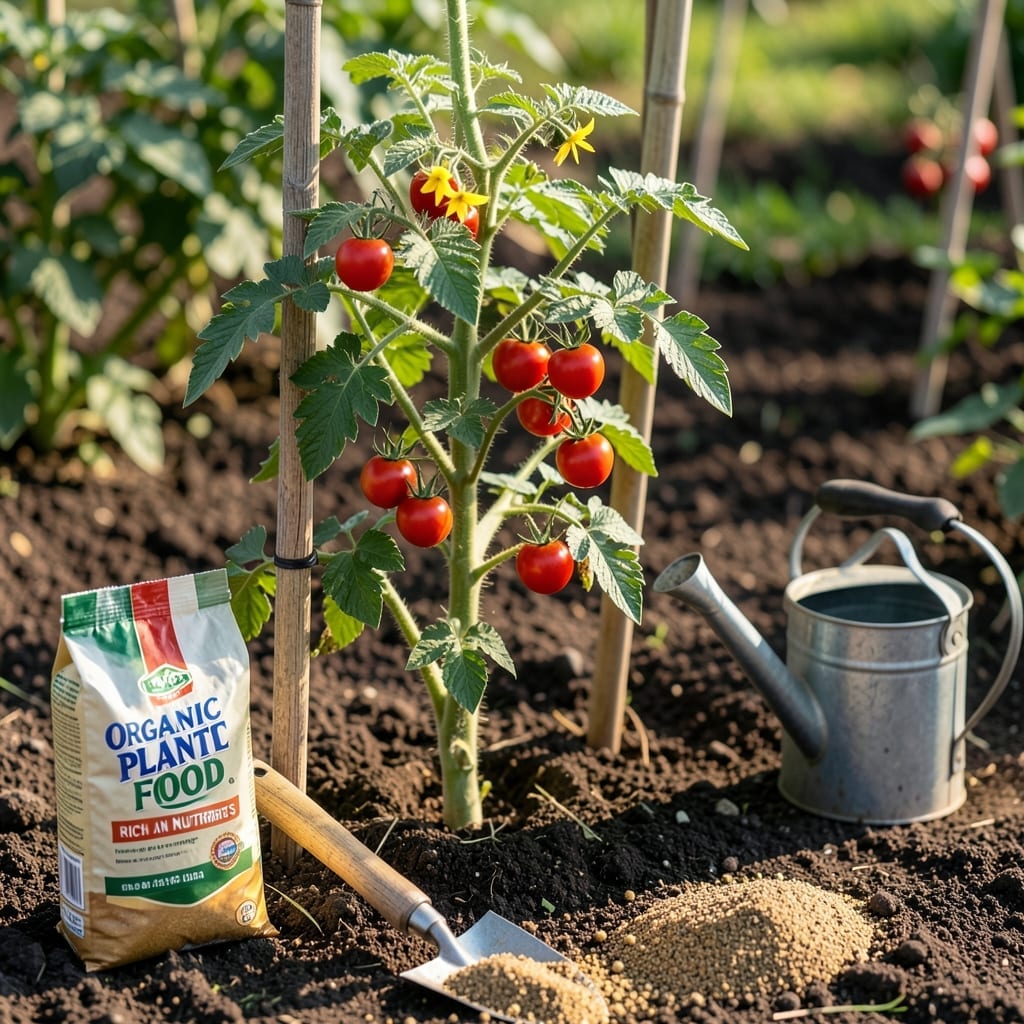
If your 🍅 Tomato plants aren’t producing like they should, the issue might be simpler than you think. These heavy feeders need regular nutrition to thrive, but there’s a fine line between nourishing them and overwhelming them.
I’ve seen firsthand how the right fertilizing schedule can transform a struggling garden into one bursting with fruit. The key is consistency and paying attention to your plants’ subtle signals.
Discover how often to feed your Tomatoes and what signs to watch for so you can enjoy a bountiful harvest all season long.
I’ve learned that tomato plants need a tailored feeding schedule to thrive. From seedling to harvest, their nutrient needs shift dramatically, and getting the timing right makes all the difference in your yield.
Early on, I focus on balanced fertilizers to support root and foliage growth. As the plants mature, I adjust to high-phosphorus formulas to boost flowering and fruiting.
| cell” style=”background-color:#6fd544;color:#ffffff”>Fertilizer Frequency | row”> | cell”>Every 2 weeks | row”> | cell”>Every 3 weeks | row”> | cell”>Every 2 weeks | row”> | cell”>Every 10 days | 3-10-10 |
I always test my soil before starting any fertilizing regimen. A simple soil test kit reveals pH and nutrient levels, helping me avoid over-fertilizing, which can burn roots or cause excessive foliage at the expense of fruit.
For organic gardeners, I recommend compost tea or fish emulsion. These provide slow-release nutrients that won’t shock your plants. Apply them every 2-3 weeks during the growing season for best results.
If you’re using synthetic fertilizers, follow the label instructions carefully. I’ve found that water-soluble options work well for quick nutrient uptake, especially during the fruiting stage when plants need an extra boost.
Watch for signs of over-fertilization, like leaf burn or excessive green growth with few flowers. If this happens, I flush the soil with water and hold off on feeding for a few weeks.
In hot climates, I reduce the frequency slightly to prevent stress. The key is consistency—regular, moderate feeding works better than occasional heavy doses.
Finally, remember that watering practices affect fertilization. Always water deeply before and after applying fertilizer to prevent root burn and ensure even distribution. 🌱
I’ve found that tomato plants often show clear signals when they’re hungry or overfed. Recognizing these signs early can save your harvest from stunted growth or nutrient burn.
One of the first things I check is leaf color. Yellowing lower leaves often indicate a nitrogen deficiency, while dark green, curly leaves might mean too much nitrogen.
I also watch for purple stems or leaves, which can signal a phosphorus deficiency. This often appears during cool weather when roots struggle to absorb nutrients.
Another telltale sign is blossom end rot, which looks like dark, sunken spots on the bottom of fruits. While often caused by calcium deficiency, it can also indicate inconsistent watering or over-fertilization.
When I see leaf curl or brown edges, I know I might be over-feeding. These symptoms often appear when roots can’t absorb water properly due to fertilizer burn.
I’ve learned that adjusting my feeding schedule based on these signs makes a huge difference. If plants look stressed, I’ll flush the soil with water and pause fertilizing for a week or two.
Remember, consistent observation is key. I check my plants daily during active growth periods to catch any issues early. 🌱