
Beautiful Plants For Your Interior
Beautiful Plants For Your Interior
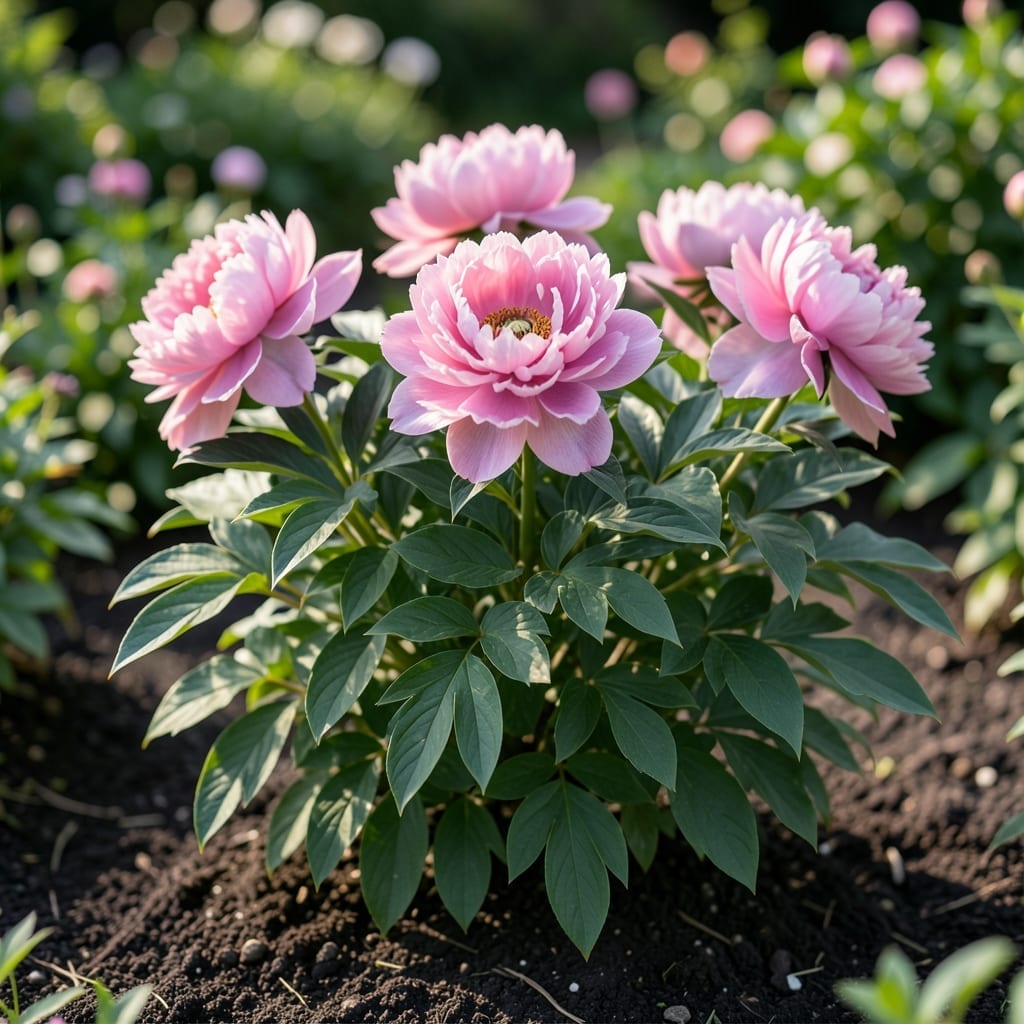
I get it – you plant 🌸 Peony with high hopes, only to wonder why those stunning blooms don’t last all season. The truth is, these beauties have a very specific schedule that many gardeners misunderstand.
Understanding their natural rhythm can transform your expectations and garden planning. There’s a real science behind when and how often these flowers make their grand appearance.
Discover the surprising truth about peony blooming cycles and how to make the most of their fleeting but spectacular display each year.
Peonies are perennial favorites that follow a reliable blooming schedule, but many gardeners are surprised by their limited flowering window. These beauties typically bloom once per year, with their spectacular display lasting just 7 to 10 days under ideal conditions.
Most varieties flower in late spring to early summer, usually between May and June, depending on your climate zone. The exact timing can shift slightly based on weather patterns and plant maturity, but the once-a-year bloom is a constant for traditional peonies. 🌸
| Peony Type | Bloom Frequency | Bloom Time |
|---|---|---|
| Herbaceous | Once per year | Late spring |
| Tree Peonies | Once per year | Mid to late spring |
| Itoh Peonies | Once per year | Late spring to early summer |
While all peonies bloom annually, the Itoh hybrids often have a slightly longer bloom period than herbaceous types. These intersectional peonies combine the best traits of tree and herbaceous varieties, sometimes offering extended flowering when conditions are perfect.
Climate plays a huge role in your peonies’ schedule. In warmer zones like USDA 7-8, you might see blooms as early as April, while cooler areas in zones 3-4 often wait until June. I’ve noticed my own peonies bloom about 2 weeks earlier in years with mild winters.
Plant maturity significantly affects blooming. Newly planted peonies often take 2-3 years to establish before producing their first flowers. This is normal – the plant is busy building strong roots before it can support those gorgeous blooms.
Once established, healthy peonies will reliably bloom every year with proper care. I recommend full sun exposure and well-draining soil to encourage consistent flowering. Remember, these plants can live for decades, so that first bloom is worth the wait! 🌿
If your peonies seem late to bloom, don’t panic. Late frosts can delay flowering by 1-2 weeks. Similarly, excessive rain or drought stress might affect the timing. In my experience, peonies are remarkably resilient and will usually bounce back the following year.
For the longest possible bloom season, consider planting early, mid, and late-season varieties together. This staggered approach can give you peony flowers for 3-4 weeks instead of just one. I’ve had great success with this method in my own garden.
The key takeaway is that while peonies only bloom once annually, that single display is so spectacular that it’s worth the wait. With proper planning and care, you can maximize both the duration and impact of their flowering period each year. ✂️
I completely understand the frustration when your peonies stay green with no flowers in sight. There are several common culprits behind this disappointing scenario, and most are thankfully easy to fix with some simple adjustments to your care routine. 🌱
One frequent issue is simply plant immaturity. Remember that peonies often need 2-3 growing seasons to establish before they’ll produce their first blooms, especially if started from bare root. Patience truly is key with these long-lived perennials.
Common Issues:
Sunlight deficiency is another major factor. Peonies require full sun to produce abundant blooms. If yours are in a shady spot, they may grow lush foliage but few or no flowers. I’ve seen dramatic improvements just by moving plants to sunnier locations.
Planting depth matters more than many realize. The eyes (buds) should be no deeper than 2 inches below soil level. Planting too deep can prevent blooming entirely, as the plant struggles to push flowers through the extra soil.
Improper pruning can also sabotage your blooms. These plants form next year’s buds in late summer, so fall pruning should happen only after the foliage dies back naturally. Cutting back too early removes the very buds that would have become next year’s spectacular display. ✂️
Finally, check your fertilizing habits. While peonies benefit from feeding, too much nitrogen promotes leafy growth at the expense of flowers. I recommend a balanced fertilizer with slightly higher phosphorus to encourage blooming.