
Beautiful Plants For Your Interior
Beautiful Plants For Your Interior
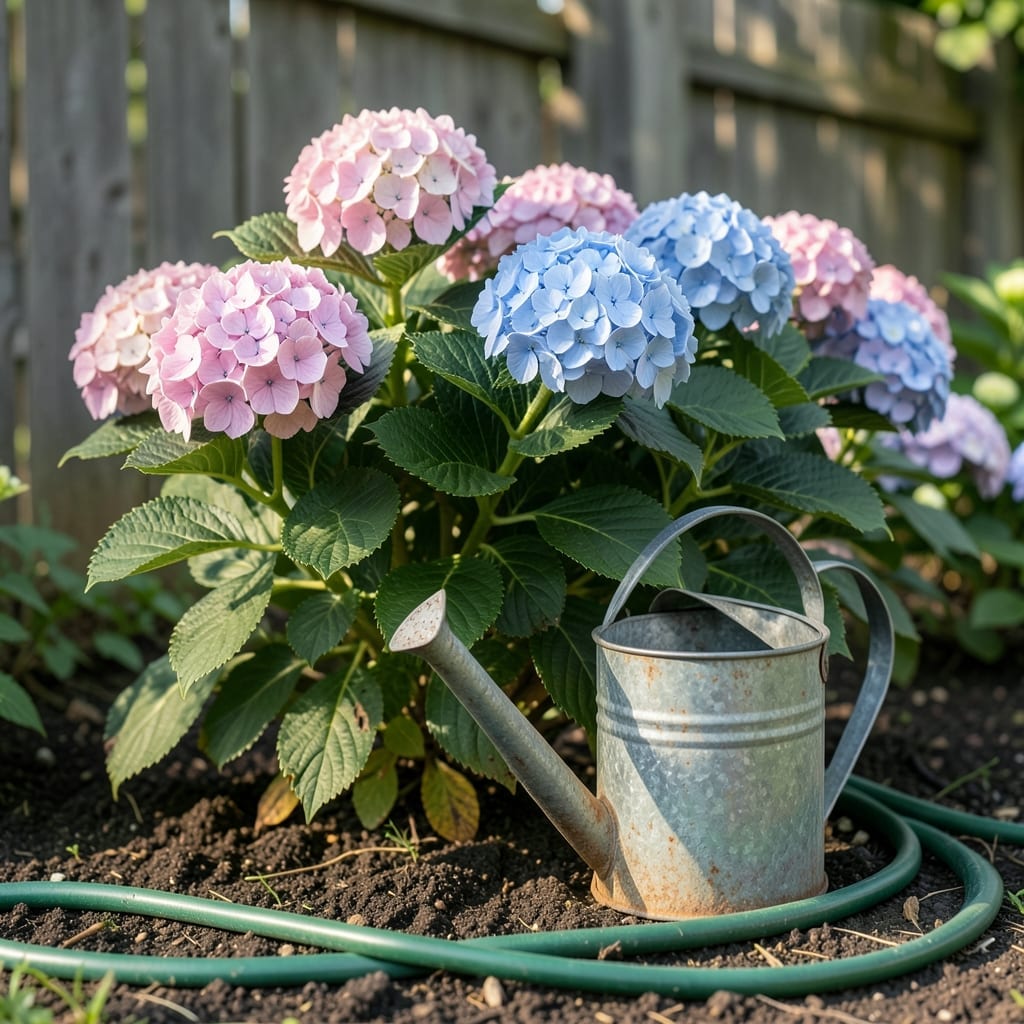
Hydrangeas bring vibrant color to any garden, but their watering needs can confuse even seasoned gardeners. Get the schedule wrong, and you’ll see wilting leaves or lackluster blooms instead of those lush 🌸 flowers.
I’ve learned the hard way that consistent moisture is key, but the frequency changes with the seasons and your climate. What works in spring won’t cut it during a summer heatwave.
Discover the simple yet effective approach to keep your Hydrangeas thriving. Let me walk you through the essentials so you can enjoy those stunning blooms all season long.
Getting your hydrangea watering schedule right is the secret to those stunning, full blooms we all love. I’ve found that the key is adjusting frequency based on the season and your local climate conditions.
In my experience, these plants thrive with consistent moisture, but too much or too little can lead to wilting or poor flowering. The schedule changes dramatically from spring to summer, and even more in dry versus humid regions.
| Season | Frequency | Climate Adjustment |
|---|---|---|
| Spring | Weekly | Increase in dry climates |
| Summer | 2-3x per week | Daily in extreme heat |
| Fall | Weekly | Reduce in humid areas |
| Winter | Bi-weekly | Skip in dormant periods |
During spring, I recommend weekly watering to support new growth. The soil should stay evenly moist but never soggy, as hydrangeas hate waterlogged roots.
Summer is when things get tricky. In hot, dry climates, I water my hydrangeas every 2-3 days, sometimes daily during heatwaves. In cooler, humid areas, twice weekly usually suffices.
As we move into fall, I scale back to weekly watering. This helps the plant prepare for dormancy. In humid regions, you might even stretch this to every 10 days if rainfall is sufficient.
Winter is the easiest season. I water my hydrangeas every 2 weeks only if we have a dry spell. Most years, I let natural rainfall handle it, as the plant is dormant and needs very little moisture.
For potted hydrangeas, the rules change slightly. These dry out faster, so I check the soil daily and water every 3-5 days in summer, ensuring the entire root ball stays moist.
Remember, morning watering is always best. It gives the plant time to absorb moisture before the heat of the day and reduces the risk of fungal diseases that can occur with evening watering.
Finally, always check the soil moisture before watering. Stick your finger 1-2 inches into the soil—if it feels dry, it’s time to water. This simple test has saved me from both overwatering and underwatering countless times.
🌸
I’ve learned that hydrangeas are quite vocal about their watering needs if you know what to look for. These plants show clear signs when they’re thirsty or drowning, and catching these early can save your blooms.
From my experience, the most obvious signal is drooping leaves. This typically means the plant needs water immediately, but it can also indicate overwatering if the soil feels soggy.
The finger test is my go-to method. I check the top inch of soil—if it’s dry, I water deeply. If it’s damp, I wait another day or two before checking again.
Another common sign is leaf yellowing, which often indicates overwatering. I’ve seen this happen when I got a little too enthusiastic with the hose. The solution is to let the soil dry out slightly between waterings.
Brown, crispy leaf edges usually mean the plant isn’t getting enough water. This is especially common during heatwaves when the soil dries out quickly. I increase my watering frequency during these periods.
For potted hydrangeas, I pay extra attention to the weight of the pot. A lightweight pot usually means it’s time to water, while a heavier one suggests the soil is still moist enough.
Finally, flower buds that turn brown and drop off can be a sign of water stress. This is the plant’s way of conserving energy when it’s not getting enough moisture.
🌸