
Beautiful Plants For Your Interior
Beautiful Plants For Your Interior
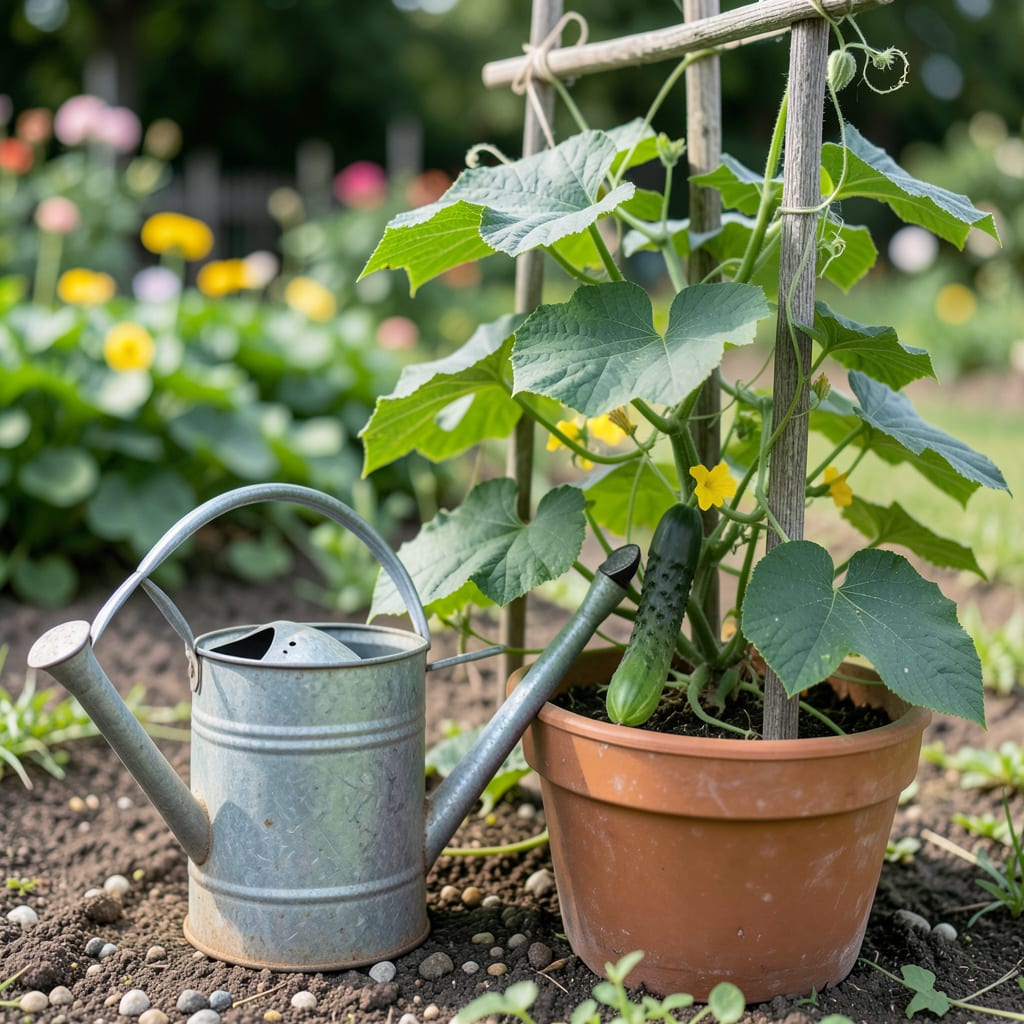
Growing cucumbers successfully requires getting the watering just right – too little and they’re bitter, too much and they’re prone to rot. I’ve learned that consistent moisture is key, especially when they’re producing fruit 🥒.
In USDA zone 6a, you’ll need to water your cucumber plants frequently, especially during the hot summer months. Let’s dive into the specifics of how to keep your cucumber plants properly hydrated.
Cucumber plants have specific water requirements that vary based on several factors. The amount of water they need depends on the climate, soil type, growth stage, and plant size. Understanding these factors is crucial for providing the right amount of water 🌿.
In general, cucumber plants require consistent moisture, especially when they’re producing fruit. The ideal soil condition is moist but not waterlogged. Let’s examine the key factors that influence water needs.
The watering needs of cucumber plants are also influenced by the season. During the summer months, they require more water due to the heat and increased transpiration. In contrast, during the spring and fall, they need less water as the temperatures are milder 🌞.
To determine the right amount of water, it’s essential to consider the soil moisture. A simple method is to insert your finger into the soil up to the first knuckle. If the soil feels dry, it’s time to water. If it’s already moist, wait another day or two before watering again 💧.
Overwatering can be detrimental to cucumber plants, leading to root rot and other issues. On the other hand, underwatering can cause the fruits to become bitter. Finding the right balance is key to a healthy and productive harvest 🌟.
In USDA zone 6a, cucumber plants typically require about 1-2 inches of water per week, either from rainfall or irrigation. This amount can vary depending on the specific weather conditions and soil type ☁️.
To ensure optimal growth, it’s recommended to water cucumber plants deeply but infrequently. This encourages the development of a deep root system, making them more resilient to drought and other stressors 🌱.
Monitoring the soil moisture regularly and adjusting the watering schedule accordingly is crucial. By doing so, you can provide your cucumber plants with the right amount of water they need to thrive and produce a bountiful harvest 📈.
Additionally, using mulch around the plants can help retain soil moisture and reduce the need for frequent watering. Organic mulches like straw or wood chips work well for this purpose 🌿.
By understanding the factors that influence water needs and implementing a suitable watering strategy, you can enjoy a healthy and productive cucumber harvest 🥒.
Regularly checking the soil moisture and adjusting your watering schedule will help prevent common issues like overwatering and underwatering. This attention to detail will pay off in the long run, resulting in a more abundant harvest 🌼.
In conclusion, providing the right amount of water is essential for growing healthy and productive cucumber plants. By considering the various factors that influence water needs and adopting a well-informed watering strategy, you can achieve a successful harvest 🎉.
Watering cucumber plants effectively is crucial for their growth and productivity. I’ve found that deep soaking is the best approach, as it encourages the development of a deep root system. This makes the plants more resilient to drought and other stressors 🌱.
The frequency of watering depends on several factors, including climate, soil type, and plant size. In general, cucumber plants need to be watered every 2-3 days, but this can vary depending on the specific conditions 💧.
Water your cucumber plants in the morning to give them the best chance to absorb the water throughout the day ☀️.
The best time to water cucumber plants is in the morning, before the heat of the day. This allows the plants to absorb the water throughout the day, reducing the risk of fungal diseases that can occur when water sits on the leaves overnight 🌟.
When watering, it’s essential to avoid getting water on the leaves to prevent fungal diseases. Instead, water at the base of the plant, allowing the soil to absorb the moisture. This also helps to reduce evaporation and retain soil moisture 🌿.
Consistent moisture is key to growing healthy and productive cucumber plants. By watering deeply but infrequently, you can encourage the development of a deep root system, making the plants more resilient to drought and other stressors 💪.
In addition to regular watering, using mulch around the plants can help retain soil moisture and reduce the need for frequent watering. Organic mulches like straw or wood chips work well for this purpose 🌼.
By following these watering tips, you can help your cucumber plants thrive and produce a bountiful harvest.
Cucumber plants require about 1-2 inches of water per week, either from rainfall or irrigation. You can use a rain gauge or soil moisture meter to measure the amount of water your plants are receiving ☁️.
In conclusion, effective watering is crucial for growing healthy and productive cucumber plants. By understanding the factors that influence water needs and implementing a suitable watering strategy, you can achieve a successful harvest 🎉.
Cucumber plants are sensitive to both overwatering and underwatering, which can significantly impact their health and productivity. Recognizing the signs of these issues is crucial for taking corrective measures 🌱.
Overwatering can lead to root rot, yellowing leaves, and reduced fruit production. On the other hand, underwatering can cause bitter fruits, wilting, and stunted growth. Let’s examine the specific signs of both overwatering and underwatering.
To address underwatering, ensure that your cucumber plants receive adequate moisture, especially during hot and dry weather. Water them deeply but avoid overwatering 💧.
For overwatering, it’s essential to improve drainage and reduce watering frequency. Check the soil moisture regularly and adjust your watering schedule accordingly 🌿.
By recognizing the signs of both overwatering and underwatering, you can take prompt action to prevent damage and ensure a healthy and productive cucumber harvest 🌟.
Regular monitoring of your plants’ condition and adjusting your watering practices accordingly is key to achieving a successful harvest 🎉.
In conclusion, being aware of the signs of overwatering and underwatering in cucumber plants allows you to take corrective measures, ensuring optimal growth and fruit production 🌼.
Water your cucumber plants every 2-3 days, depending on climate and soil type. Check soil moisture by inserting your finger into the soil up to the first knuckle. If it feels dry, it’s time to water.
Water your cucumber plants in the morning, before the heat of the day. This allows the plants to absorb the water throughout the day and reduces the risk of fungal diseases.
Cucumber plants require about 1-2 inches of water per week, either from rainfall or irrigation. You can use a rain gauge or soil moisture meter to measure the amount of water your plants are receiving.
Signs of overwatering include yellowing leaves, soft, mushy stems, and fungal diseases. If you notice these symptoms, improve drainage and reduce watering frequency.
