
Beautiful Plants For Your Interior
Beautiful Plants For Your Interior
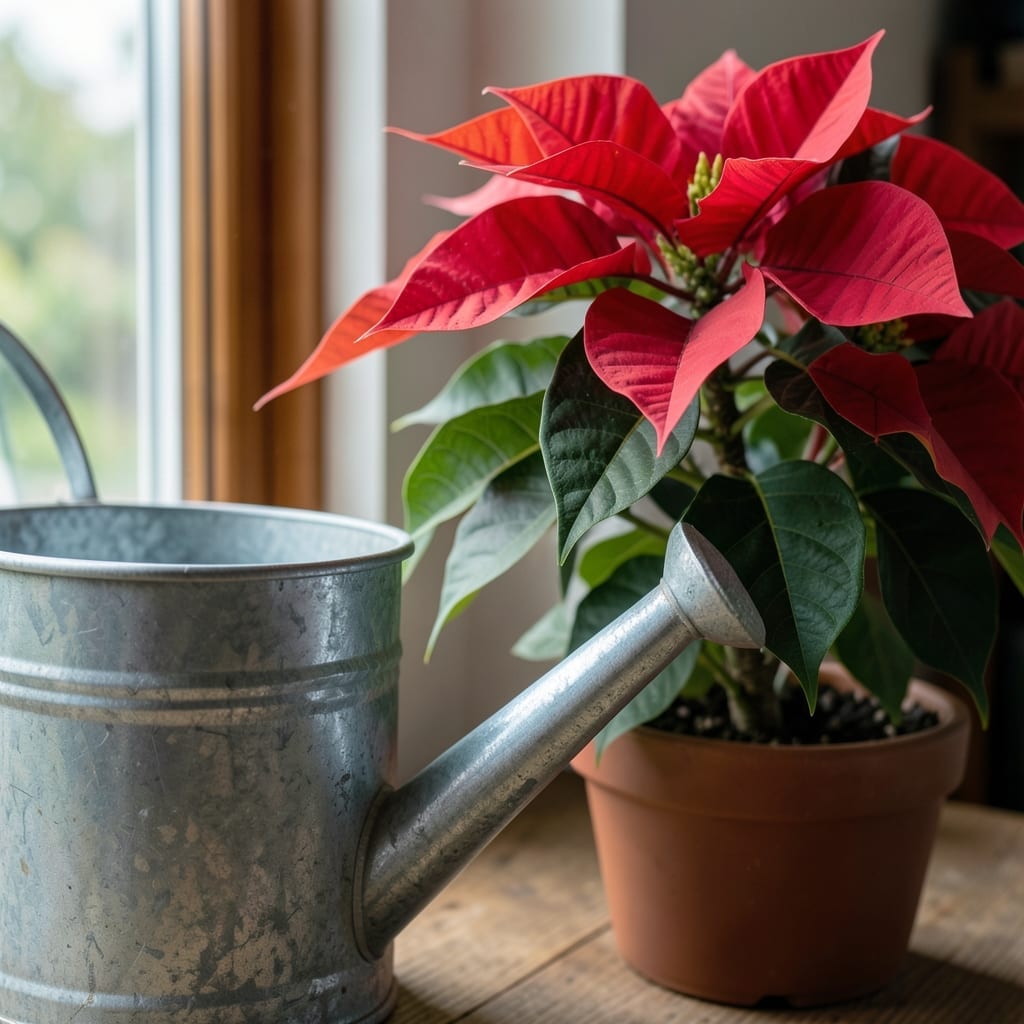
Poinsettias bring holiday cheer with their vibrant red, pink, and white blooms—but improper watering can turn those festive 🌺 leaves into a wilting disappointment. That lush display you love depends entirely on getting the moisture balance just right.
I’ve seen too many beautiful Poinsettias meet an early end from overwatering or neglect. The good news? With a few simple adjustments, you can keep yours thriving long after the holidays.
Discover the exact watering rhythm that’ll make your Poinsettias the envy of the neighborhood. It’s easier than you think once you know the signs to watch for.


Getting the watering schedule right is the secret to keeping your poinsettias vibrant year-round. These festive plants have changing needs as they move through different growth phases.
I’ve found that seasonal adjustments make all the difference in preventing drooping leaves or root rot. Let’s break down exactly what your poinsettia needs at each stage.🌺
| Stage | Watering Frequency | Key Signs |
|---|---|---|
| Active Growth | Every 3-5 days | New leaves forming |
| Blooming | Every 5-7 days | Colorful bracts open |
| Dormancy | Every 2-3 weeks | Leaves may drop |
During active growth in spring and summer, your poinsettia needs more frequent watering. I recommend checking the top inch of soil daily and watering when it feels dry.
The blooming phase is when most people struggle. Remember, those colorful bracts aren’t flowers but modified leaves. They need consistent moisture without being waterlogged.
In dormancy, typically after the holidays, your plant needs much less water. This is when overwatering becomes the biggest risk. I’ve lost count of how many poinsettias I’ve seen suffer from kindness!
For potted poinsettias, always water until you see it draining from the bottom. This ensures the entire root ball gets moisture. Never let your plant sit in standing water.
The finger test works wonderfully: stick your finger about an inch into the soil. If it feels dry, it’s time to water. If it’s damp, wait another day or two.
Morning watering is ideal as it gives the plant time to absorb moisture before the heat of the day. Evening watering can lead to fungal issues if the leaves stay damp overnight.
Watch for yellowing leaves – this often indicates overwatering. Conversely, wilted leaves that perk up after watering suggest you’ve been underwatering.🌿
Adjust your schedule based on your home’s humidity levels. In dry climates, you may need to water more frequently. In humid environments, you can often stretch the intervals between waterings.
Even experienced gardeners can make simple watering mistakes with poinsettias. I’ve seen beautiful plants suffer because of overenthusiastic care or inconsistent routines. The key is understanding what your plant truly needs.
From soggy soil to inadequate drainage, these common pitfalls can quickly damage your poinsettia’s health. Let me share the most frequent issues I encounter and how to fix them.🌺
The most common issue I see is overwatering. Many people believe more water equals better care, but poinsettias actually prefer to dry out slightly between waterings. This prevents root rot and fungal problems.
Poor drainage is another frequent problem. Without proper drainage holes, water pools at the bottom of the pot, creating the perfect environment for root diseases. Always choose containers that allow excess water to escape.
An inconsistent watering schedule can stress your plant. Poinsettias thrive on routine. I recommend setting a reminder to check your plant’s moisture needs regularly, especially during its active growth phase.
Using cold water straight from the tap can shock your poinsettia’s roots. Always let your water sit for a few hours to reach room temperature before watering. This small step makes a big difference in your plant’s health.
Finally, don’t forget about humidity levels. In dry winter air, your poinsettia may need more frequent watering than the table suggests. Pay attention to your specific environment.🌿